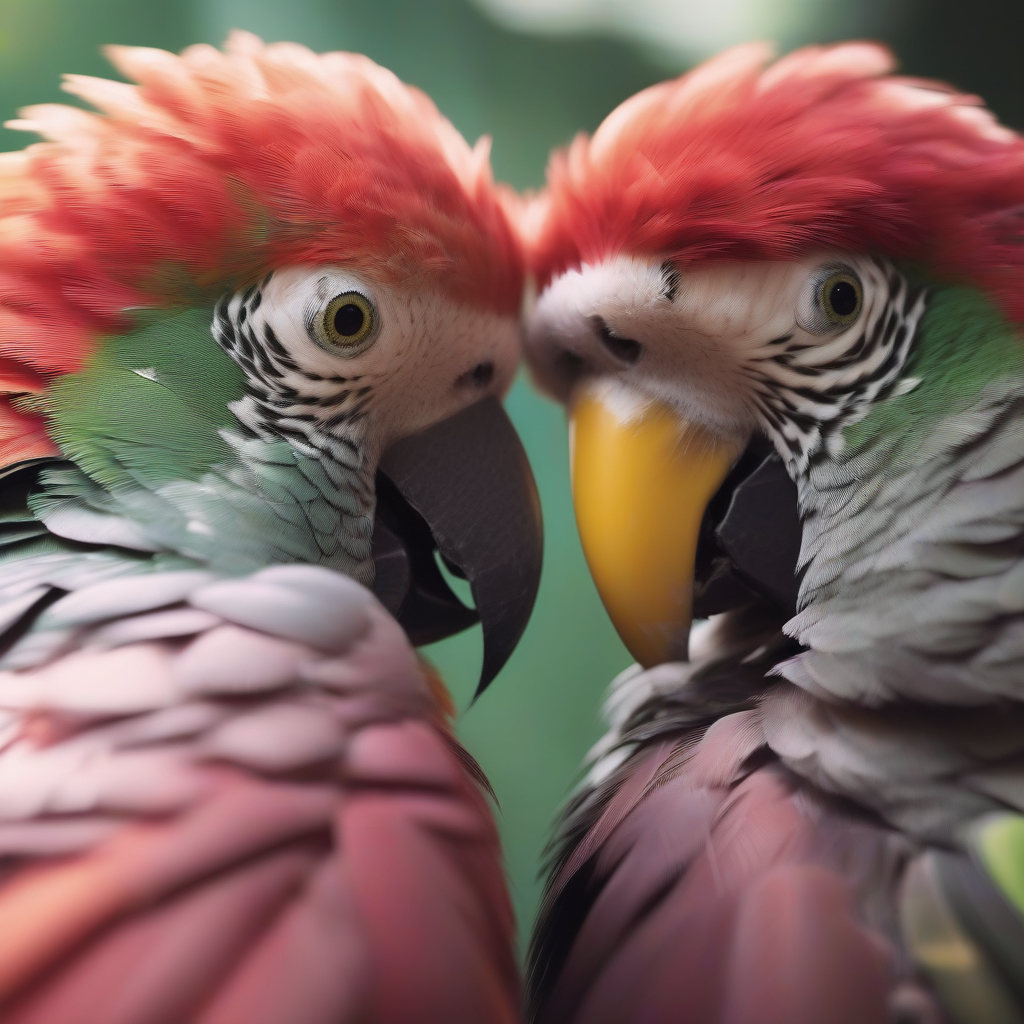
In this article, discover 5 critical physiological reasons behind feather plucking in birds and scientific-based solution strategies for these issues.


Discover the types of burns your dog can suffer, the 5 insidious neurophysiological effects these burns create in the brain and body, and lifesaving emergency intervention strategies in this comprehensive guide. We shed light on the dangers behind forgotten household accidents from a scientific perspective.

Discover the neurobiological signals of hidden stress your newly adopted cat experiences during adaptation to a new social environment. This article reveals 5 insidious signs of your cat's silent struggle and scientific strategies for peaceful, long-term harmony.

Your dog's anal sacs, located beneath the tail, can be hidden alarm bells often overlooked but profoundly affecting their quality of life. In this article, you will discover the 5 insidious neurobiological effects of anal sac problems on the brain and the lifesaving care secrets you need to know for your furry friend to live a peaceful life.
Feather plucking is one of the most common and often highly distressing behavioral issues encountered by bird owners. Beyond being an aesthetic problem, your bird plucking its own feathers can be a silent cry for a serious underlying physiological or environmental problem. In this article, we will delve into the depths of science to understand why your bird might be plucking itself, exploring 5 critical physiological triggers behind this insidious behavior and specific scientific solutions for each. Remember, early diagnosis and proper intervention are key to rebuilding your tiny companion's health and welfare.
While feather plucking behavior is often associated with psychological stress or boredom, scientific research frequently reveals physiological causes as the primary triggers for this behavior. Malnutrition, environmental factors, hormonal imbalances, or hidden internal diseases can all lead your bird to engage in feather plucking. In this section, we will focus on the fundamental physiological underpinnings of feather plucking, enabling you to get to the root of the problem.
Your bird's feathers are a complex biological structure requiring high-quality proteins, vitamins, and minerals. Insufficient intake of micronutrients such as Vitamin A, biotin, sulfur-containing amino acids (methionine, cysteine), and zinc can directly impact the health of feather follicles. Scientific studies show that these deficiencies not only degrade feather quality but can also cause skin itchiness, dryness, and neural irritation, triggering feather plucking. This neurometabolic interaction can cause your bird to pull its feathers in an attempt to alleviate discomfort.
Transitioning to balanced, species-specific pelleted diets and enriching the diet with fresh vegetables and fruits is essential. Under veterinary supervision, supplements particularly rich in elements supporting Your Bird's 'Secret Feather Structure Codes': 5 Unknown Calcium-Binding Mechanisms for Healthy Feathers! can be used. Anti-inflammatory nutrients like Omega-3 fatty acids can also support skin health, reducing itchiness. Furthermore, our article Your Bird's 'Secret Respiratory Shield': 5 Neurobiological Effects of Feed Choice You Never Knew and Secrets to Protecting Airways! discusses the detailed impact of correct feed selection on overall health and, consequently, feather health.
Environmental conditions in a bird's living space can trigger physiological stress responses. Specifically, low humidity can cause a bird's skin to dry out and become irritated, promoting severe itching. This situation leads the bird to feel the need to pluck its feathers. Similarly, inadequate or incorrect lighting, or a living space that neglects Your Bird's 'Hidden Climate Focus Point': Unknown Neurobiological Effects of Cage Placement and Lighting!, can disrupt the bird's circadian rhythm and lead to chronic stress, which can trigger feather plucking behavior.
A humidifier can be used to maintain cage humidity between 50-70%. Regular baths or spray baths help keep the bird's feathers and skin moisturized and healthy. Exposure to natural sunlight or special UVB lamps is critical for Vitamin D synthesis, hormonal balance, and overall well-being. For more on your bird's optimal environmental conditions, you can check out our article Your Bird's 'Hidden Humidity Wars': 5 Unknown Secrets of Humidity Imbalance Threatening the Respiratory System! to better understand the importance of humidity balance.
Hormonal fluctuations, particularly during breeding seasons, can trigger feather plucking behavior in birds. Increased breeding instincts and hormonal activity can cause physical discomfort leading the bird to pluck itself. Endocrine problems like an underactive thyroid (hypothyroidism) can also affect the metabolic rate, impairing feather development and leading to dry or itchy skin. These hormonal imbalances establish a physiological mechanism that directly impacts the bird's feather health.
Hormone tests and a thyroid panel performed by a veterinarian are crucial for diagnosing potential hormonal issues. Treatment may involve medication or dietary changes based on the diagnosis. Especially during breeding seasons, controlling the bird's environmental conditions (light cycle, access to nesting materials) can minimize hormonal stimulation. If necessary, hormone-regulating treatments approved by a veterinarian can also be considered.
Unseen internal parasites (e.g., Giardia) or external parasites (mites, lice) can cause severe itching on a bird's skin, leading to feather plucking. These parasites create continuous irritation and inflammation in the skin, leading to excessive stimulation of nerve endings. Similarly, bacterial or fungal skin infections can cause skin irritation, redness, and feather loss, prompting the bird to pluck its feathers for relief. This neuro-inflammatory response is one of the primary physiological drivers of feather plucking behavior.
Regular veterinary check-ups should include fecal analysis and skin scraping tests. Antiparasitic medications or antibacterial/antifungal treatments are applied based on the diagnosis. Maintaining cage hygiene and disinfection plays a critical role in reducing the risk of parasites and infections. All cage accessories should be regularly cleaned and disinfected.
Systemic illnesses such as liver or kidney diseases, tumors, or viral infections can impair general health, degrade feather quality, and cause chronic itching. These diseases can lead to toxin accumulation in the body, negatively affecting the skin and nervous system, which makes the bird feel uneasy and pluck its feathers. Organ dysfunction weakens the body's detoxification mechanisms, leading to secondary effects on the skin.
A comprehensive veterinary examination, including blood tests, X-rays, and ultrasonography, is essential for diagnosing underlying systemic diseases. Medical treatment or supportive care programs are implemented based on the diagnosis. Furthermore, for more information on potential environmental toxins that could affect your bird, you can read our article Your Bird's 'Silent Poison Chamber': 5 Hidden Household Toxin Sources, Their Neurotoxic Effects, and Lifesaving Scientific Measures! to proactively identify potential dangers.
Feather plucking in birds is a complex behavioral issue that should not be underestimated. There is usually an underlying physiological trigger, and identifying this trigger is possible with the guidance of an expert veterinarian. Remember that even the smallest change in your bird's behavior can provide important clues about its health. With a scientific approach and regular veterinary check-ups, you can ensure your tiny companion lives a healthy and happy life.
