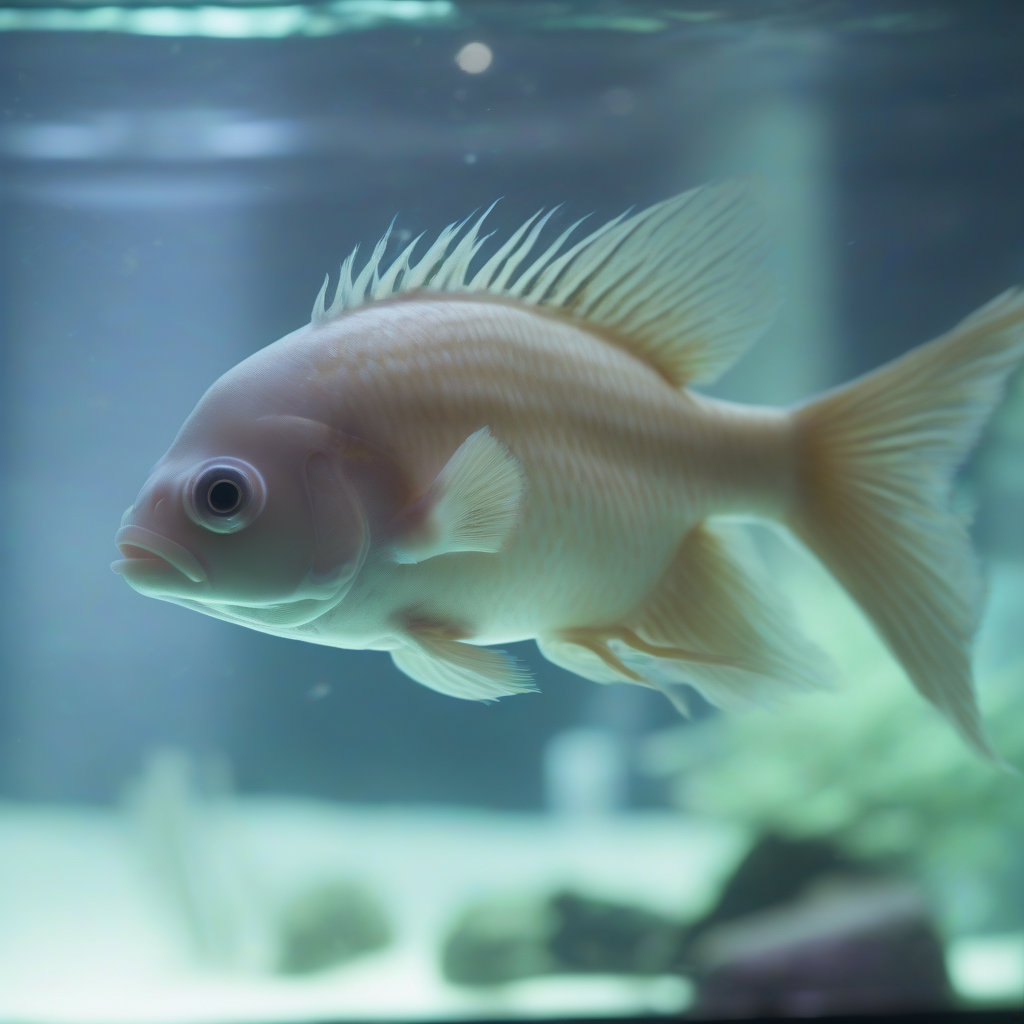
Fish can experience spinal shock due to trauma during handling or in the aquarium. Discover the 5 hidden neurophysiological signals of this critical condition and lifesaving scientific first aid protocols.


Discover the types of burns your dog can suffer, the 5 insidious neurophysiological effects these burns create in the brain and body, and lifesaving emergency intervention strategies in this comprehensive guide. We shed light on the dangers behind forgotten household accidents from a scientific perspective.

Discover the neurobiological signals of hidden stress your newly adopted cat experiences during adaptation to a new social environment. This article reveals 5 insidious signs of your cat's silent struggle and scientific strategies for peaceful, long-term harmony.

Your dog's anal sacs, located beneath the tail, can be hidden alarm bells often overlooked but profoundly affecting their quality of life. In this article, you will discover the 5 insidious neurobiological effects of anal sac problems on the brain and the lifesaving care secrets you need to know for your furry friend to live a peaceful life.
Fish can suffer severe neurological damage from sudden physical traumas encountered in their aquarium environment or during handling. This condition, which can be termed "spinal shock," is often an overlooked yet critical emergency threatening your fish's life. Spinal shock leads to temporary or permanent loss of function due to an impact on a specific area of the nervous system, affecting many vital functions from swimming ability to balance perception. In this article, we will deeply explore what spinal shock is, how fish react to acute traumas, and how to recognize these insidious neurophysiological signals to apply lifesaving scientific first aid.
Spinal shock is a syndrome that occurs after spinal cord trauma, resulting in a temporary disruption of nerve conduction. In fish, this condition can be triggered by factors such as sudden impacts, falls (e.g., jumping out of the aquarium and falling back in), aggressive fish attacks, or improper netting and handling techniques. The extent and location of the damage can directly affect the fish's mobility, balance, and even autonomic functions like respiration and digestion. Early diagnosis and correct intervention are crucial to prevent or minimize permanent damage.
Fish are masters at concealing pain and stress. Therefore, symptoms of spinal shock are often misinterpreted as "odd behavior," leading to a critical loss of time. Here are 5 insidious signals to watch out for:
A sudden and unexplained disruption in your fish's normal swimming pattern is one of the most obvious yet frequently missed signs of spinal shock. This isn't just unbalanced swimming; it can also manifest as circling, leaning to one side, or completely sinking to the bottom. The fish may act as if it has lost its "algorithm" for brain-body coordination. This indicates damage to motor nerves or improper signal transmission from the spinal cord. A fish that is normally swift and agile suddenly becomes clumsy and unresponsive.
In spinal shock, fish may hold their bodies in abnormal positions. Sometimes they may be bent in an S-shape, or suspended head-down or tail-up. These postures are related to involuntary muscle contractions or paralysis of certain muscle groups. Additionally, subtle, often unseen, muscle spasms or tremors may occur. These "invisible lockdowns" can vary in intensity depending on the degree of spinal cord damage and deeply affect the fish's overall behavioral repertoire.
Stress and shock can lead to significant changes in fish skin coloration. A fish experiencing spinal shock may become pale, dull in color, or develop stress bars (typically dark, vertical stripes) on its body. This indicates a disruption in blood flow and pigment cell control as part of the body's acute stress response. These color changes are not merely aesthetic; they should be recognized as a signal of an internal crisis, much like the 5 Secret Neurometabolic Keys Shaping Digestion and Immunity in Your Fish's Gut Microbiome.
Spinal cord damage can affect respiratory muscles or the respiratory center. A fish suffering from spinal shock may breathe very rapidly and shallowly, or conversely, its breathing may slow down and become irregular. Gill cover movements may become abnormal. This is a critical sign that the fish is not getting enough oxygen or that neural control is disrupted. While the article Your Fish's 'Breathing Crises': 5 Neurophysiological Signals of Acute Oxygen Deprivation and Lifesaving Scientific Interventions focuses on other signs of oxygen crisis, respiration abnormalities associated with spinal shock often have a more complex neurological origin.
A healthy fish typically exhibits a rapid escape response to environmental stimuli (e.g., when approached). However, a fish experiencing spinal shock may lose this responsiveness. Remaining motionless in a corner of the aquarium for extended periods, increased hiding tendencies, or being completely unresponsive to stimuli can indicate deep neurological distress. This suggests the fish is in a state of stress that cannot even be resolved by the 5 Neurobiological Secrets of Optimal Lighting and Scientific Protocols to Zero Out Stress in the Aquarium as it copes with physical pain. For situations involving sudden movement or loss of consciousness, you may also refer to the article Fish's Deadly 'Silent Collapse' in the Aquarium: 5 Hidden Neurological Triggers of Sudden Loss of Consciousness and Lifesaving Scientific Protocols!.
In cases of suspected spinal shock, rapid and correct intervention is vital.
Move your fish to a separate quarantine tank (hospital tank) as soon as possible. This tank should offer low lighting, a calm water flow, and a stress-free environment. Aggressive tank mates or strong currents can negatively impact the fish's recovery process. Your Fish's Hidden 'Light Rituals': 5 Neurobiological Secrets of Optimal Lighting and Scientific Protocols to Zero Out Stress in the Aquarium!
Regularly test water quality to keep ammonia, nitrite, and nitrate levels close to zero, and perform water changes if necessary. Ensure pH and temperature are stable, optimal, and appropriate for your fish species. Conditions like Your Fish's 'Silent Killer': 5 Insidious Neurophysiological Signs of Hidden Ammonia Poisoning in the Aquarium and Lifesaving Scientific Intervention! can further exacerbate the recovery process. Special water conditioners can also be used to maintain electrolyte balance; this is critically important, as highlighted in Your Fish's 'Hidden Electrolyte Loss' in the Aquarium: 5 Insidious Neurophysiological Signs of Sudden Lethargy and Lifesaving Scientific Interventions!.
The fish may refuse to eat. In this case, try offering appetite-stimulating and immune-boosting vitamin-enriched foods or very small, easily digestible food particles. Pain relievers or anti-inflammatory medications (under veterinary supervision) can help alleviate the fish's pain. However, never administer medication on your own; consult a veterinarian.
Spinal shock is a serious condition, and at-home first aid measures may often not be sufficient. Consulting a veterinarian specialized in aquatic animals is essential for accurate diagnosis and a proper treatment plan. The veterinarian can recommend specific medications or more advanced treatment methods.
The best way to prevent spinal shock is to protect your fish from trauma:
In conclusion, when you observe symptoms of spinal shock in your fish, apply scientific protocols without panicking and consult an expert as soon as possible. Remember, rapid intervention can save your fish's life and improve its quality of life.
