In this article, you will find 5 hidden neurobiological secrets of optimal aquarium lighting that affect everything from your fish's brain chemistry to their behavior, along with scientific protocols to transform your aquarium into a stress-free haven for them.


Discover the types of burns your dog can suffer, the 5 insidious neurophysiological effects these burns create in the brain and body, and lifesaving emergency intervention strategies in this comprehensive guide. We shed light on the dangers behind forgotten household accidents from a scientific perspective.

Discover the neurobiological signals of hidden stress your newly adopted cat experiences during adaptation to a new social environment. This article reveals 5 insidious signs of your cat's silent struggle and scientific strategies for peaceful, long-term harmony.

Your dog's anal sacs, located beneath the tail, can be hidden alarm bells often overlooked but profoundly affecting their quality of life. In this article, you will discover the 5 insidious neurobiological effects of anal sac problems on the brain and the lifesaving care secrets you need to know for your furry friend to live a peaceful life.
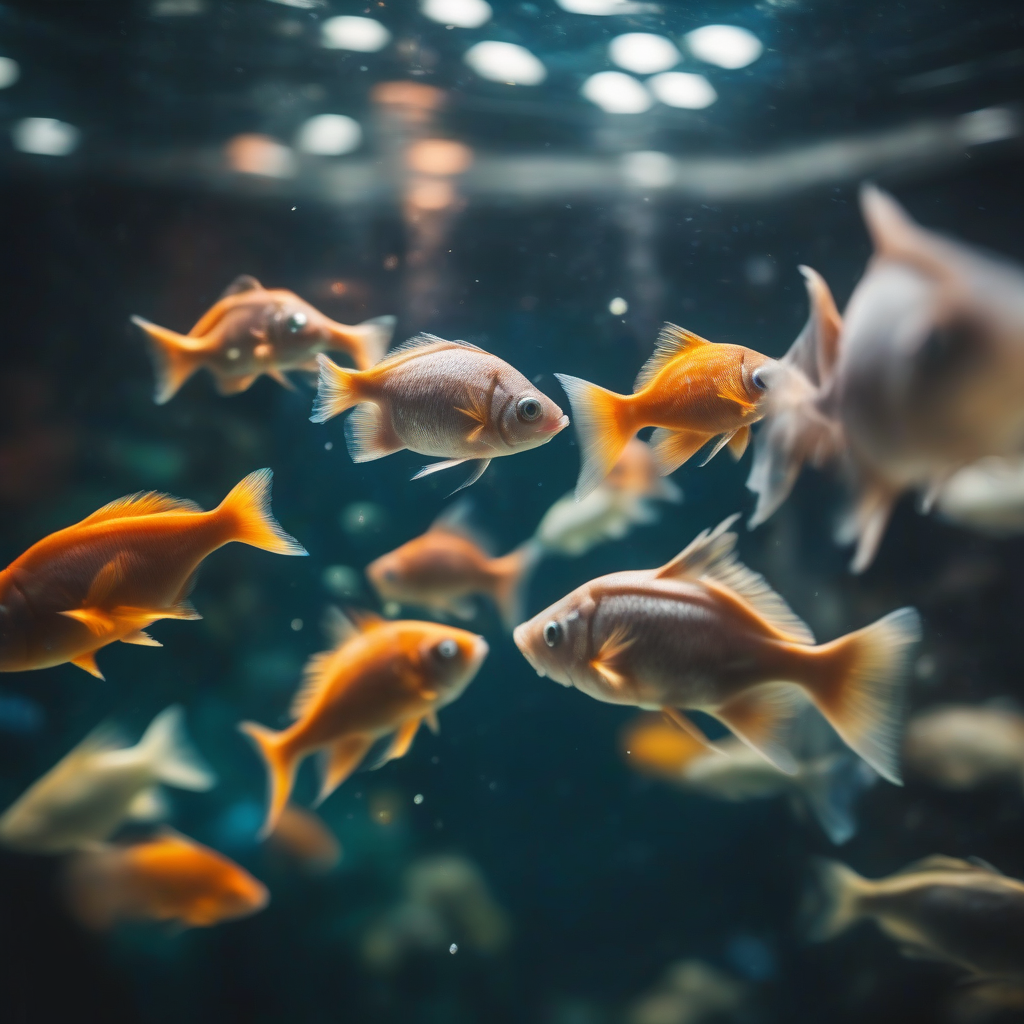
Beyond the aesthetic beauty of an aquarium, there's a critical factor for the well-being of its inhabitants: lighting. For most aquarists, light is merely used to grow plants or observe fish, but it actually has profound effects on the neurobiology of fish. Incorrect lighting protocols can disrupt your fish's natural circadian rhythm, increase their stress levels, and even weaken their immune systems. In this article, we'll delve into the 5 hidden neurobiological secrets of optimal aquarium lighting that influence everything from your fish's brain chemistry to their behavior, along with scientific protocols to transform your aquarium into a stress-free haven for them. Remember, proper light management is not just a maintenance element; it's the key to understanding your fish's hidden language and ensuring they lead a healthy life.
Like humans, fish possess biological clocks. This internal timing mechanism is strongly regulated by the light-dark cycle and is known as the "circadian rhythm." Incorrect lighting durations or intensities can disrupt this delicate rhythm, upsetting the physiological and behavioral balance of fish.
As daylight diminishes, the pineal gland of fish begins to secrete melatonin, a hormone associated with sleep and rest. Insufficient dark periods or continuously high-intensity light can suppress melatonin production, disturbing the fish's sleep patterns. Chronic insomnia can lead to stress, loss of appetite, and even weakened immune systems in fish. A proper dark cycle allows fish to enter deep rest and store energy.
Excessive or irregular lighting can increase cortisol levels, a stress hormone, in fish. Continuously high cortisol levels can slow fish growth, reduce their reproductive capabilities, and decrease their resistance to diseases. Lighting protocols should include gradual transitions, such as sunset and sunrise simulations; this allows fish to feel neurobiologically secure and manage adaptive stress responses. To explore this topic further, you can check out our article, Your Fish's 'Secret Aquarium Mind Map': 5 Neurocognitive Secrets to Unraveling Behavioral Mysteries in Water!.
Fish eyes can perceive a much wider color spectrum than humans. This highlights the importance of not just brightness, but also the spectral composition of light in aquarium lighting.
Some fish species, especially many freshwater fish, have the ability to perceive ultraviolet (UV) light. UV light can play a critical role in reproductive behaviors like mate selection, protection from predators, and intra-species communication. Providing an appropriate UV spectrum in the aquarium can help fish exhibit natural behaviors and enhance their cognitive well-being. While excessive UV can be harmful, a balanced and natural spectrum enriches the visual world of fish.
Different color spectrums can directly influence fish feeding and reproductive drives. For example, the red spectrum can enhance fish colors, strengthening reproductive signals, while the blue spectrum can have a calming effect on some species. The correct spectrum helps fish display their natural colors, attracting potential mates, and promoting healthy reproductive behaviors. Additionally, the article Your Fish's Secret Aquarium Toxin Hunters: 5 Unknown Neuroimmune Secrets of Food Selection and a Guide to Strengthening Your Immune Shield! further explores the connection between nutrition and immunity, processes which light can indirectly influence.
The duration and intensity of lighting directly impact the biological rhythms and stress levels of fish. Finding an optimal balance is essential for a healthy aquarium ecosystem.
Fish have adapted to the daylight cycle in their natural environments. Mimicking this cycle in the aquarium (approximately 10-12 hours of light, 12-14 hours of darkness) helps them maintain their natural biological clocks. Providing a consistent cycle using timers is critical for fish to remain stress-free and exhibit natural behaviors. Sudden switching on/off of lights can cause shock in fish and abruptly increase cortisol levels.
Constant night lights or other artificial light sources in the room where the aquarium is located can create "light pollution" by preventing fish from getting a sufficient dark period. This disrupts the fish's circadian rhythm, leading to chronic stress, weakened immune systems, and even hormonal imbalances. Ensuring complete darkness around the aquarium is vital for your fish's rest and regeneration processes. To understand the negative effects of chronic stress on fish digestive systems, you can read the article Your Fish's Gut Microbiome: 5 Secret Neurometabolic Keys Shaping Digestion and Immunity!.
Lighting not only affects the direct physiology of fish but also the overall aquarium ecosystem and, consequently, the quality of life for fish.
Live aquarium plants increase oxygen levels in the aquarium through photosynthesis and absorb harmful substances like nitrates. Optimal lighting promotes healthy plant growth, improving water quality in the aquarium and creating a more stable living environment for fish. Insufficient or excessive light can negatively impact plant growth. Plant health also plays a critical role in reducing the risk of fish's Breathing Crises: 5 Neurophysiological Signals of Acute Oxygen Deprivation and Lifesaving Scientific Interventions.
Excessive lighting is one of the most common reasons for undesirable algae blooms in aquariums. Algae, in addition to being an aesthetic problem, can degrade water quality, creating a stressful and unhealthy environment for fish. Correct light intensity and duration control algae growth, maintaining chemical balance and supporting the ecological integrity of the aquarium. The physical arrangement of the fish's living space is also important; for example, our article titled Your Fish's 'Hidden Sensor Map' in the Aquarium Substrate: 5 Neurocognitive Effects of Sand and Gravel Selection and Scientific Design Secrets to Zero Out Stress! discusses the neurocognitive effects of aquarium design.
Conclusion: Aquarium lighting is much more than a tool turned on with a switch. It forms the foundation of your fish's neurobiological health, behavioral well-being, and overall quality of life. From their circadian rhythms to visual perception, stress management to reproductive drives, the power of light in every aspect cannot be overlooked. By adopting a lighting protocol with optimal intensity, spectrum, and duration, you can transform your aquarium into a living space that is both visually appealing and scientifically supported, stress-free for your fish. Remember, the right light is a guide that illuminates your fish's hidden world and reveals their true potential.
