
In this article, you will discover the overlooked neurophysiological secrets of your bird's beak and nail health, potential dangers, and lifesaving scientific care protocols. Optimal beak and nail care are critical for your bird's overall well-being, stress levels, and longevity.

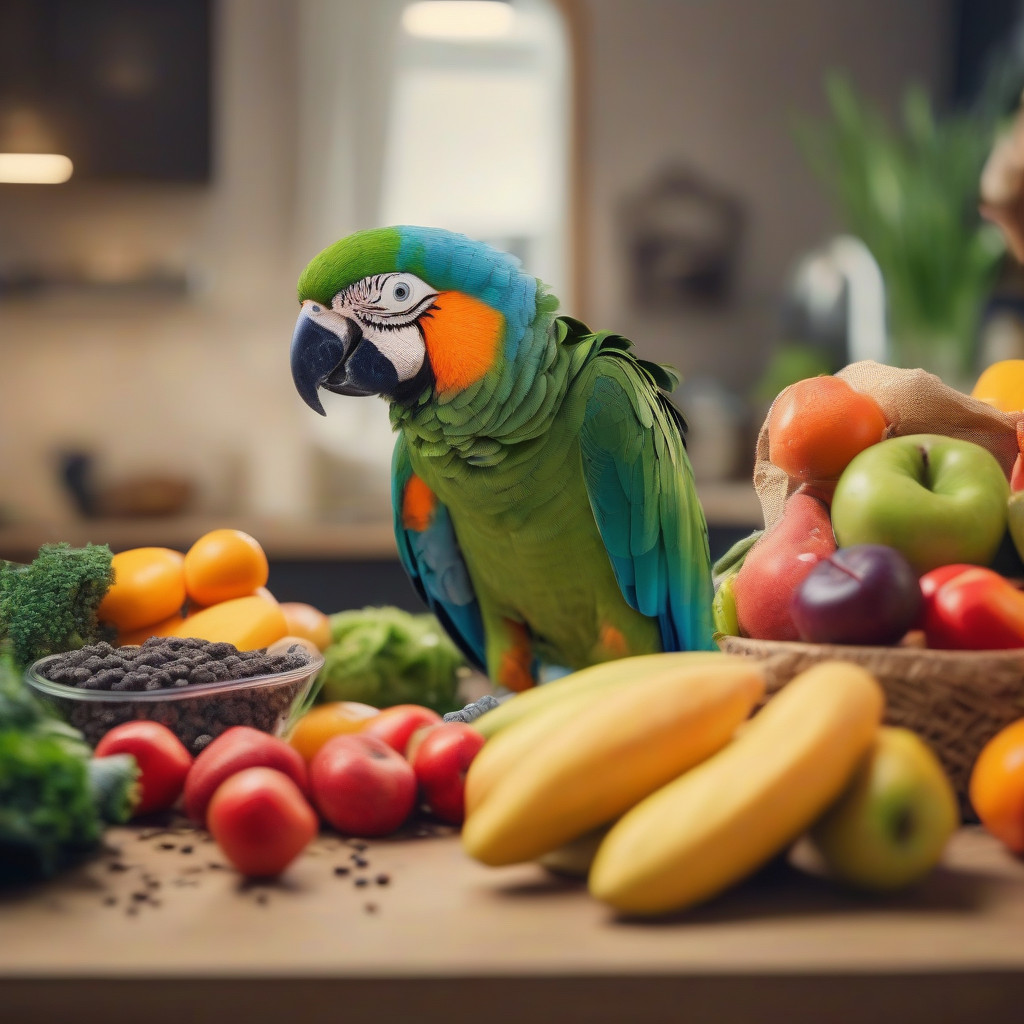
In this article, you will find comprehensive information about the insidious neurobiological effects of artificial colorings, preservatives, and flavors found in commercial bird feeds on your bird's brain health and mental vitality. We explore scientific nutritional secrets to combat these hidden dangers, shedding light on a wide spectrum of effects from behavioral changes to cognitive decline.
In this article, you can discover the scientific secrets to understanding your cat's undesirable habits, deciphering the neurocognitive mechanisms in their brain, and establishing lasting new routines.

Discover the types of burns your dog can suffer, the 5 insidious neurophysiological effects these burns create in the brain and body, and lifesaving emergency intervention strategies in this comprehensive guide. We shed light on the dangers behind forgotten household accidents from a scientific perspective.
The health of our pet birds is often assessed by obvious signs such as feather sheen, active behavior, or appetite. However, there's a critical area that's frequently overlooked, often leading to chronic ailments: beak and nail health. These structures are not merely physical tools but also mirrors of complex neurophysiological systems directly linked to your bird's brain health, stress management, and neuromotor functions. In April 2026, we will delve into how deciphering these hidden codes can scientifically enhance your bird's quality of life.
A bird's beak is an essential tool for feeding, preening, climbing, and even social interactions. The health of the beak is a significant indicator of the bird's overall well-being and nervous system activity.
In their natural habitat, birds constantly wear down their beaks by gnawing on tree bark, cracking seeds, and rubbing them against various surfaces. In a home environment, the lack of these natural abrasive mechanisms can lead to an overgrown beak. An overgrown beak makes feeding difficult, leading to malnutrition and disrupting chewing mechanics. This increases the load on the jaw joints and can cause chronic pain. The brain constantly processes these pain signals, triggering the release of stress hormones like cortisol. Persistently high cortisol levels weaken your bird's immune system and can lead to behavioral problems. Your bird's beak health is directly connected to its neuroendocrine system.
Changes in beak color, cracks, peeling, or tissue abnormalities can be signs of an underlying health issue. Vitamin deficiencies (especially vitamin A), liver problems, or fungal infections can affect beak health. These micro changes can send pain or discomfort signals to the brain via nerve endings in the beak tips. Birds, often prone to hiding their pain, may have these insidious signals overlooked. Detailed examination of the beak structure during regular veterinary check-ups is vital for early detection of potential neurological stress and pain. For the effects of diet choice on the neuroimmune system, you can refer to our article on Your Bird's Nutritional Mysteries: Unlocking Scientific Secrets to Mastering Vitamin & Mineral Traps and Becoming a Digestive Champion! .
Bird nails are essential for many basic movements such as perching, gripping, climbing, and manipulating objects. Having nails of the correct length and form is crucial for your bird's neuromotor coordination and physical well-being.
Overgrown nails make it difficult for your bird to balance on perches and can lead to deformities in their toes. This puts abnormal loads on the musculoskeletal system and can cause joint pain. The brain becomes overloaded with constant proprioceptive (body position) signals resulting from imbalance. This neurocognitive load increases the bird's stress level, can lead to anxiety, and reduces its desire to explore its environment. Optimal nail length is essential for your bird's freedom of movement and neuromotor development.
The surface, diameter, and material of perches directly impact a bird's nail health. Only smooth or uniformly sized perches prevent natural nail wear and lead to overgrowth. Additionally, incorrect perches can create pressure points on the toes, leading to circulation problems and nerve damage. Natural branches of varying diameters and textures work your bird's foot muscles, naturally file down their nails, and provide sensory stimulation. Proper perch selection is a critical care protocol that optimizes your bird's 'secret mind map' in its feet, eliminating stress and supporting neurophysiological health. For more information on this, you can read our article Your Bird's Feet: Unlocking the 'Secret Mind Map' of Perfect Perch Selection and Stress-Reducing Scientific Care! .
Birds are programmed to hide their weaknesses due to their predator instincts. Therefore, early signs of beak and nail problems are often overlooked.
Your bird's beak and nail health is much more than just an aesthetic concern; it is an integral part of its neurophysiological balance, pain perception, and overall quality of life. By deciphering these hidden 'codes' and implementing scientifically based care protocols, you can ensure your feathered friend lives a healthy, happy, and stress-free life. Remember, early diagnosis and proactive care are the most valuable investments in saving your bird's life.
