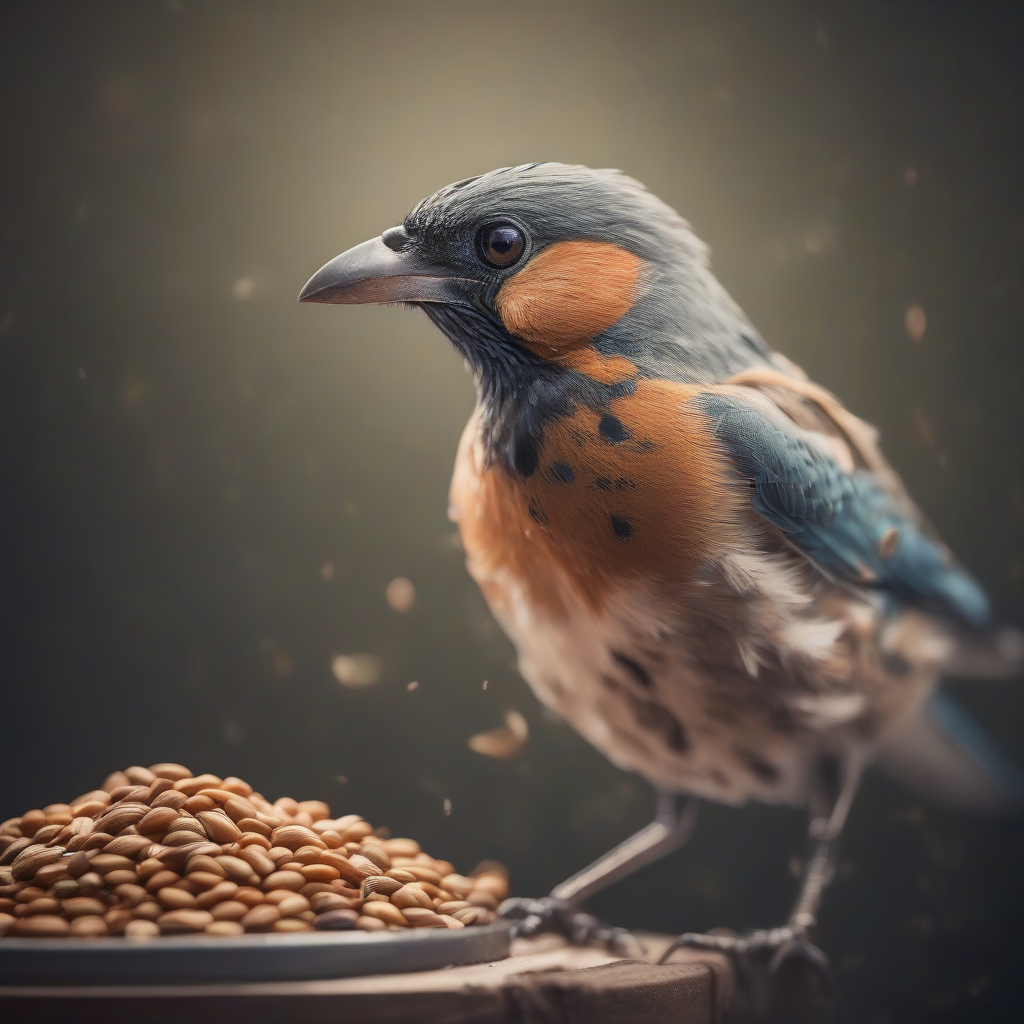
Discover the 5 insidious effects of phytate hidden in your bird's diet that threaten bone health and scientific solutions to combat these dangers.


Discover the types of burns your dog can suffer, the 5 insidious neurophysiological effects these burns create in the brain and body, and lifesaving emergency intervention strategies in this comprehensive guide. We shed light on the dangers behind forgotten household accidents from a scientific perspective.

Discover the neurobiological signals of hidden stress your newly adopted cat experiences during adaptation to a new social environment. This article reveals 5 insidious signs of your cat's silent struggle and scientific strategies for peaceful, long-term harmony.

Your dog's anal sacs, located beneath the tail, can be hidden alarm bells often overlooked but profoundly affecting their quality of life. In this article, you will discover the 5 insidious neurobiological effects of anal sac problems on the brain and the lifesaving care secrets you need to know for your furry friend to live a peaceful life.
As bird owners, we prioritize the health of our beloved companions. Understanding the ingredients in the food we provide them and taking precautions against potential dangers is vital. In this regard, phytate (phytic acid), a component often overlooked in bird nutrition but capable of severely threatening bone health, comes into play. Found in high amounts in seed-based diets, phytate binds with minerals, hindering their absorption and leading to serious health problems in the long run.
A balanced diet for birds not only provides energy but is also fundamental for strong bones, vibrant feathers, and a healthy immune system. However, seed-heavy diets can disrupt this balance due to the presence of phytate, a common problem. Here are 5 insidious effects of phytate on your bird's bone health:
One of the most recognized and harmful effects of phytate is its strong binding with essential minerals like calcium. These bonds significantly impede the absorption of calcium from the intestines. Calcium is crucial for the bone density and structure of birds. Insufficient calcium intake can gradually lead to weakening of bones, making them brittle, and conditions similar to osteoporosis. This increases the risk of injury, especially in birds capable of flight.
Besides calcium, phytate also interacts with other important minerals such as phosphorus. A balanced calcium-phosphorus ratio is essential for healthy bone development. Phytate's interference with phosphorus absorption can upset this delicate balance. This imbalance can lead to Metabolic Bone Disease (MBD), a serious condition causing leg deformities, paralysis, tremors, and even death in birds.
Phytate binds not only to calcium and phosphorus but also to other minerals vital for bodily functions, including iron, zinc, magnesium, and manganese. Hindering the absorption of these minerals negatively impacts overall health. Iron deficiency can lead to anemia, zinc deficiency to feather loss, and weakened immune systems. Your bird's general well-being and resistance to diseases can be undermined in this way.
Phytate's adverse effects are not limited to minerals. It can also indirectly affect the absorption of certain vitamins, particularly B vitamins and fat-soluble vitamins like vitamin E. These vitamins are critical for nervous system health, energy metabolism, and antioxidant defense mechanisms. Restricted absorption can lead to general malnutrition and trigger various health problems.
Phytate can also directly impact the digestive system. High phytate content can inhibit the activity of digestive enzymes, making the digestion process more difficult. This can lead to fermentation and gas buildup in the intestines, causing discomfort, bloating, and general digestive stress for your bird. A weakened digestive system leads to less efficient nutrient absorption and a deterioration of overall health. This can make your bird more susceptible to issues mentioned in articles like 'Your Bird's [Hidden Gastric Yeast]: 5 Insidious Neurometabolic Signs of Severe Digestive Problems and Scientific Treatment Secrets!'
To combat these hidden dangers, scientifically proven strategies exist. To protect your bird's health and minimize the negative effects of phytate, you can follow these steps:
Pre-treating seeds through methods like sprouting or fermentation significantly reduces their phytate content. Enzymes produced during these processes break down phytate, allowing for better absorption of minerals and other nutrients. For example, soaking seeds in water for a few days to sprout them is an effective way to reduce phytate's impact.
Digestive supplements specifically formulated for birds, containing the enzyme phytase, can help neutralize the harmful effects of phytate in the digestive system. Phytase breaks down phytate, releasing minerals and other nutrients for easier absorption. Such supplements are particularly beneficial for birds fed seed-based diets.
Instead of limiting your bird's diet to seeds alone, it's important to create a balanced and varied diet program that includes fresh vegetables, fruits, and high-quality pelleted food. High-quality pellets are often fortified with minerals and vitamins and contain additional nutrients that help balance the effects of phytate. As mentioned in the article 'Your Dog's Hidden [Cofactor Crisis] in the Food Bowl: 5 Insidious Mineral Deficiencies Sabotaging Enzyme Activities and Lifesaving Scientific Solutions!', obtaining minerals in the correct ratios is critical for overall health. Similarly, food selection for birds directly affects nutrient absorption.
Calcium and vitamin D supplements play a critical role in supporting bone health, especially for birds in indoor environments that don't receive adequate sunlight (or use artificial lighting). Vitamin D is necessary for the body to absorb calcium. Supplementation with calcium and vitamin D at doses recommended by your veterinarian can create a shield against the adverse effects of phytate.
Each bird species, and indeed each individual bird, has unique dietary needs. Consulting a veterinarian is the best approach to optimally manage your bird's specific nutritional requirements and potential issues like phytate. Your veterinarian can help you create a balanced and safe nutrition plan suitable for your bird's age, species, health status, and lifestyle.
Every step you take for your bird's health will ensure it lives a longer, happier, and healthier life. Understanding the hidden threats of phytate and implementing correct dietary strategies is one of the most effective ways to secure your feathered friend's future. While focusing on feather health as discussed in 'Your Bird's [Secret Feather Structure Codes]: 5 Unknown Calcium-Binding Mechanisms for Healthy Feathers!', we must not forget that bone health is equally important.
