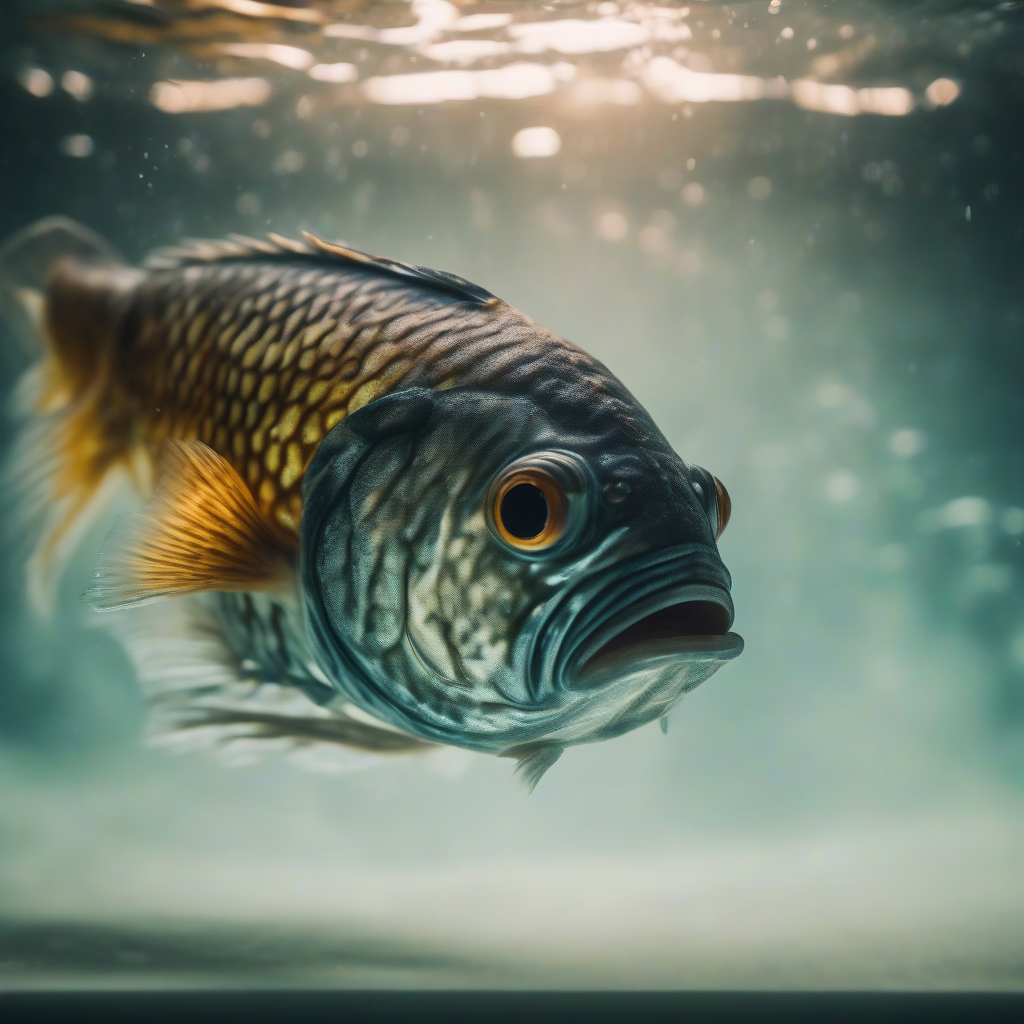
In this article, you can find in-depth information on the insidious neurophysiological signals of acute oxygen deprivation in your fish and the lifesaving scientific emergency intervention strategies.


Discover the types of burns your dog can suffer, the 5 insidious neurophysiological effects these burns create in the brain and body, and lifesaving emergency intervention strategies in this comprehensive guide. We shed light on the dangers behind forgotten household accidents from a scientific perspective.

Discover the neurobiological signals of hidden stress your newly adopted cat experiences during adaptation to a new social environment. This article reveals 5 insidious signs of your cat's silent struggle and scientific strategies for peaceful, long-term harmony.

Your dog's anal sacs, located beneath the tail, can be hidden alarm bells often overlooked but profoundly affecting their quality of life. In this article, you will discover the 5 insidious neurobiological effects of anal sac problems on the brain and the lifesaving care secrets you need to know for your furry friend to live a peaceful life.
Aquarium fish are our silent companions living underwater. However, this silence can cause emergencies to go unnoticed. One of the most vital emergencies for fish is acute oxygen deprivation. Lack of oxygen can lead to irreversible damage and even death in a short period. This situation is not only dependent on environmental factors but also manifests with distinct signals in the complex neurophysiological systems of fish. As of April 2026, scientific advancements in fish health allow us to better understand and rapidly intervene in these critical moments.
In this article, we will thoroughly cover 5 insidious neurophysiological signals that will enable you to understand your fish's 'breathing crisis' and the lifesaving scientific emergency intervention protocols you should apply when faced with such situations.
Fish breathe by taking dissolved oxygen from the water through their gills. When the water's oxygen level drops (hypoxia), all systems of their bodies, especially neurological functions, are severely affected. This impairs brain and muscle activity, leading to behavioral and physiological abnormalities. A swift and correct intervention can save your fish's life.
Understanding the often overlooked but critically important neurophysiological signs that indicate your fish is experiencing oxygen deprivation is vital for early diagnosis.
One of the most apparent signs of oxygen deficiency is the fish's gills moving much faster and shallower than normal. This is a result of the brain accelerating the respiratory center in an attempt to compensate for the oxygen deficit. Simultaneously, fish coming to the water surface and opening and closing their mouths (trying to get more oxygen by exposing their gills to the surface tension of the air) is a behavior known as 'gasping' and is a neurocognitive indicator of severe oxygen deprivation. This situation is a survival reflex triggered by the activation of oxygen receptors in the brain.
Lack of oxygen in the brain begins to impair the function of the fish's motor neurons. This leads to a noticeable loss of coordination in swimming movements, staggering, or jerky swimming. The fish may struggle to swim in a straight line, veer in unexpected directions, or even begin swimming upside down. These signals indicate that the central nervous system is severely affected by oxygen deficiency, and muscle control mechanisms are disrupted.
Oxygen deprivation triggers a stress response in fish, leading to hormonal changes. Stress hormones (like cortisol) can affect the fish's chromatophores, causing changes in its color. Some fish may become pale, while others may darken as a sign of stress. This is a neuroendocrine response of the body to danger and indicates a serious internal imbalance. As we discussed in our previous article, "Your Fish's 'Neurological Stress Shield': 5 Insidious Hormonal Effects of Invisible Environmental Triggers in the Aquarium and Scientific Resilience Strategies!", environmental stress has profound effects on fish physiology.
As oxygen deficiency progresses, the fish's metabolic rate decreases, and brain activity slows down. This causes the fish to be less active than usual, remaining motionless in a corner or at the bottom of the aquarium. It may become unresponsive to external stimuli (hand movements, feeding, etc.). This indicates that the fish's central nervous system has entered an energy-saving mode due to oxygen deficiency, and its cognitive functions are diminished. Related to topics in our article "Fish's Deadly 'Silent Collapse' in the Aquarium: 5 Hidden Neurological Triggers of Sudden Loss of Consciousness and Lifesaving Scientific Protocols!", this can be the beginning of a dangerous process leading to loss of consciousness.
The most critical stage is when the fish completely loses control, flips upside down, or sinks to the bottom and remains motionless. This is a sign that the nervous system and muscle functions are paralyzed due to oxygen deficiency. The fish can no longer maintain its balance, and vital functions are about to cease. In this situation, time is very limited, and immediate intervention is essential. Similarly, in the case of "Your Fish's 'Hidden Electrolyte Loss' in the Aquarium: 5 Insidious Neurophysiological Signs of Sudden Lethargy and Lifesaving Scientific Interventions!", similar motor control issues can occur, but the underlying cause is different.
Every second counts when you notice signs of oxygen deprivation. Here are the scientific steps you should take:
Immediately change 25-50% of the aquarium water with aged, clean water close to the aquarium's temperature. This can rapidly increase dissolved oxygen levels. Simultaneously, ensure that the air stone or air pump is working correctly. If there's a blockage, clean or replace it. Water changes are also the first step in chemical problems like "Your Fish's 'Silent Killer': 5 Insidious Neurophysiological Signs of Hidden Ammonia Poisoning in the Aquarium and Lifesaving Scientific Intervention!".
Surface movement in the water accelerates oxygen absorption. Adjust your filter's output to agitate the water surface. If possible, add an additional air pump and air stone to increase the water's oxygenation capacity. This simple but effective step can significantly improve your fish's chances of survival.
Especially at night, plants consume oxygen and release carbon dioxide. Excessive plant density or unnecessary decorations inside the tank can obstruct water flow, disrupting oxygen distribution. Temporarily reduce dense plants and ensure water flows freely. This helps oxygen spread throughout the tank.
High water temperature reduces the capacity of dissolved oxygen to remain in the water. Check the aquarium thermometer and gradually lower the temperature if necessary. Also, test ammonia, nitrite, and nitrate levels. These chemicals not only directly harm fish but can also reduce the water's oxygen-carrying capacity. Sudden increases cause fish to consume more oxygen.
If only one or a few fish are showing symptoms and other tank inhabitants are healthy, you can move the affected fish to a temporary quarantine tank to provide it with a specialized, high-oxygen environment. This reduces stress on other fish and allows you to focus on the recovery of the sick fish. Closely observing the isolated fish's behavior will help you understand the effectiveness of your interventions.
The best way to protect against oxygen deprivation crises is to take preventive measures:
In the silent world of your fish, their well-being depends on your observations and rapid interventions. Recognizing emergencies like acute oxygen deprivation and intervening with scientific methods is key to maintaining the health and vitality of your aquarium. Remember, when in doubt, always consult a veterinary professional.
