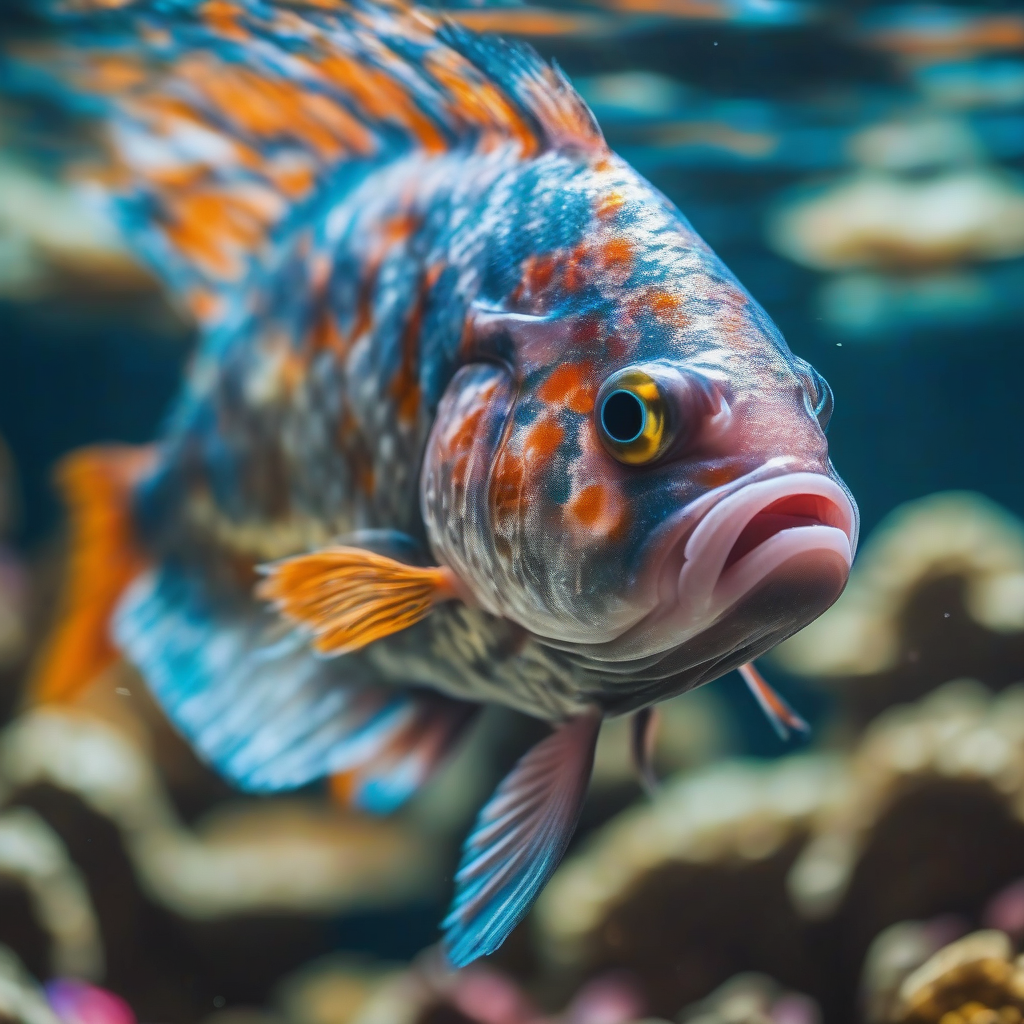
Your fish's health is much more than clear aquarium water and eager feeding. There's an unseen, yet vital defense mechanism: the skin mucosa. In this article, you'll discover the hidden connections between your fish's 'Invisible Shield' and the neuroimmune system, insidious threats, and scientific protocols to strengthen this crucial barrier.


Discover the types of burns your dog can suffer, the 5 insidious neurophysiological effects these burns create in the brain and body, and lifesaving emergency intervention strategies in this comprehensive guide. We shed light on the dangers behind forgotten household accidents from a scientific perspective.

Discover the neurobiological signals of hidden stress your newly adopted cat experiences during adaptation to a new social environment. This article reveals 5 insidious signs of your cat's silent struggle and scientific strategies for peaceful, long-term harmony.

Your dog's anal sacs, located beneath the tail, can be hidden alarm bells often overlooked but profoundly affecting their quality of life. In this article, you will discover the 5 insidious neurobiological effects of anal sac problems on the brain and the lifesaving care secrets you need to know for your furry friend to live a peaceful life.
The graceful swimming and vibrant colors of your aquarium fish are often superficial indicators of their health status. However, beneath the surface, an unseen and silent battle is constantly taking place. At the forefront of this battle is one of your fish's most critical defense mechanisms: the skin mucosa. This thin, sticky layer covering the fish's outer surface is not merely a physical barrier; it's a dynamic and neuroimmune shield intimately linked to the immune system. So, how does this 'invisible shield' work, and what insidious threats compromise its integrity, leaving your fish vulnerable to disease?
Fish skin mucosa is a complex biological layer secreted by epithelial cells, containing glycoproteins, immunoglobulins, lysozyme, and various antimicrobial peptides. This mucus prevents pathogens (bacteria, viruses, parasites, fungi) from directly attaching to the skin, maintains osmotic balance, and also acts as a primary sensor responding to stress and environmental changes. Thinning or damage to the mucosal layer leaves the fish defenseless against infections and environmental toxins.
Recent research indicates a strong 'neuroimmune' connection between the fish's immune system and nervous system. Stress factors (poor water quality, sudden temperature changes, incompatible tank mates, inadequate nutrition) activate the nervous system, leading to the release of neurotransmitters and hormones. These chemicals can directly affect the structure of the mucosal layer and the function of immune cells. Here are 5 insidious secrets related to the skin mucosa's neuroimmune connection:
Under stress, the fish's nervous system releases neuropeptides (e.g., corticotropin-releasing factor) that affect cells in the skin mucosa. These neuropeptides can increase mucosal permeability, alter mucus production, and even trigger inflammation. These changes in the chemical composition of the mucosa create a fertile ground for pathogens to attach more easily and for infections to begin. Properly managing stress strengthens your fish's immune shield. In this regard, you can optimize aquarium lighting by using the information in our article Your Fish's Hidden 'Light Rituals': 5 Neurobiological Secrets of Optimal Lighting and Scientific Protocols to Zero Out Stress in the Aquarium!.
The epithelial cells forming the skin mucosa are not just a physical barrier; they also coordinate immune responses by producing immune signaling molecules like cytokines and chemokines. Chronic stress or pathogen exposure depletes the energy resources of these cells, reducing their defense capabilities. This situation can also negatively impact other internal defense mechanisms, such as your fish's overall gut microbiome health, as systems are interconnected.
Fish skin, much like the human gut, possesses its own microbiome – communities of beneficial bacteria. This microbiome supports mucosal health by preventing pathogens from colonizing and even producing certain antimicrobial substances. Antibiotic use, poor water quality, or inadequate nutrition can disrupt the balance of the skin microbiome, leaving the fish susceptible to opportunistic infections. Proper food selection and water quality are vital for maintaining this balance. For more information, please refer to our article Your Fish's Secret Aquarium Toxin Hunters: 5 Unknown Neuroimmune Secrets of Food Selection and a Guide to Strengthening Your Immune Shield!.
The skin mucosa produces Antimicrobial Peptides (AMPs), which are the fish's natural antibiotics. These peptides possess broad-spectrum antimicrobial activity, inhibiting the growth of bacteria, fungi, and even some viruses. Stress and inadequate nutrition can suppress AMP production, weakening the fish's natural defenses. This reduces the fish's resistance, increasing its sensitivity even to minor environmental changes. For example, sudden electrolyte imbalances can affect the fish's overall physiology and thus AMP production, leading to situations like Your Fish's 'Hidden Electrolyte Loss' in the Aquarium: 5 Insidious Neurophysiological Signs of Sudden Lethargy and Lifesaving Scientific Interventions!.
Environmental stressors in the aquarium, such as toxins like ammonia and nitrite or excessive organic load, create oxidative stress in fish cells. Oxidative stress is cellular damage caused by free radicals and can disrupt the structure of cells in the skin mucosa, leading to a loss of function. This damage results in thinning of the mucosal barrier and vulnerability to pathogens. Optimal water quality management is critical to eliminate this insidious threat.
Adopting a holistic approach is essential to strengthen your fish's 'invisible shield' and support its neuroimmune health:
Regular water tests and water changes keep ammonia, nitrite, and nitrate levels under control. Ensure that parameters such as pH, temperature, and hardness are suitable for your fish species. A stable environment minimizes your fish's stress levels and maintains the integrity of the mucosal barrier.
Provide your fish with a high-quality, species-appropriate, and varied diet. Foods rich in antioxidants like vitamins (especially C and E), minerals, and omega-3 fatty acids support mucosal health and the immune system. Probiotic and prebiotic supplements can help maintain the balance of the skin microbiome.
Be mindful of sudden movements, loud noises, and careful when adding new fish to the aquarium. Provide hiding spots, plants, and appropriate decorations in the aquarium to help your fish feel secure. Such environmental enrichments reduce your fish's stress levels, optimizing its neuroimmune response.
Your fish's skin mucosa is a far more complex and vital organ than commonly perceived. Understanding the neuroimmune secrets of this 'invisible shield' and implementing holistic health protocols is one of the most important steps you can take to ensure your fish live long, healthy, and happy lives. Support their silent defense to create a truly thriving environment in your aquarium.
