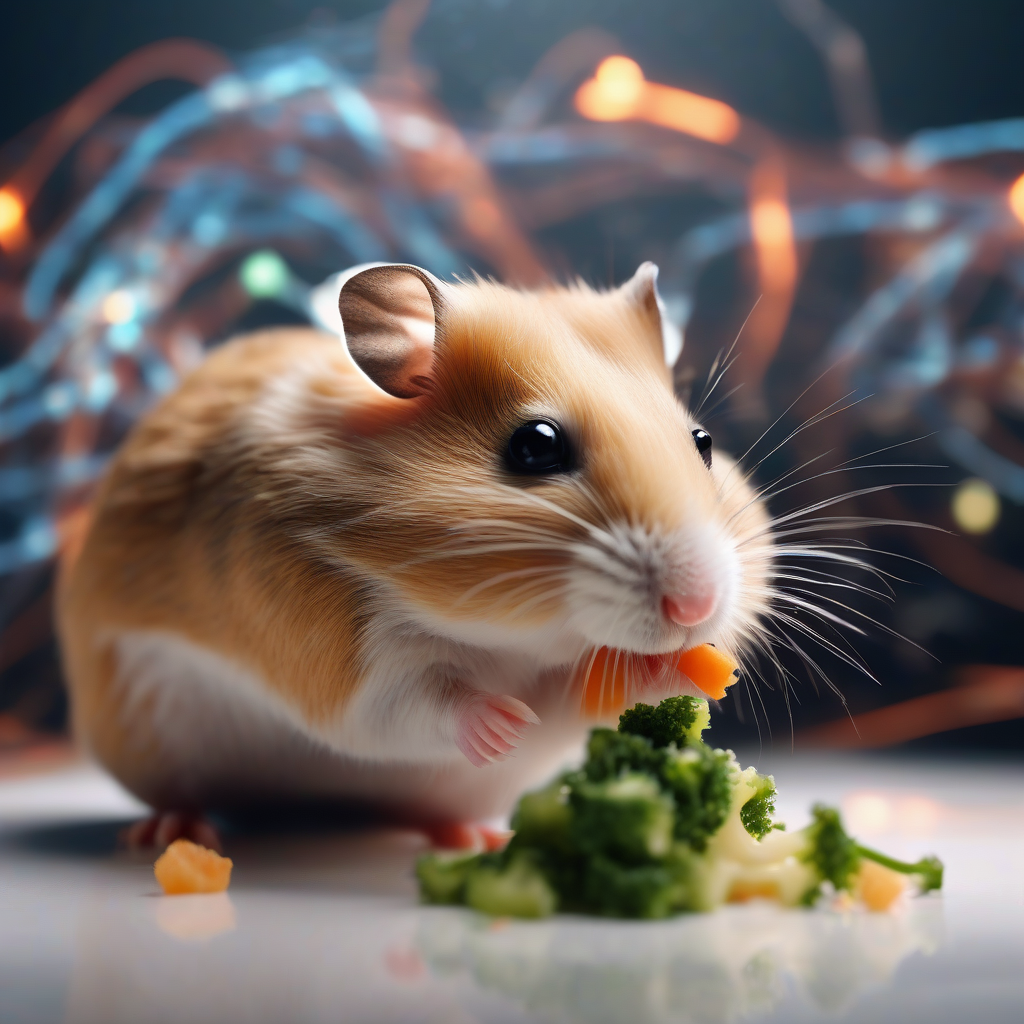
In this article, you will discover the surprising effects of your hamster's gut health, particularly prebiotics and probiotics, on their overall neurobiological well-being and digestive system. We explore how this hidden orchestra within your tiny friend works and how you can support it with scientific insights.


In this article, you can discover the scientific secrets to understanding your cat's undesirable habits, deciphering the neurocognitive mechanisms in their brain, and establishing lasting new routines.

Discover the types of burns your dog can suffer, the 5 insidious neurophysiological effects these burns create in the brain and body, and lifesaving emergency intervention strategies in this comprehensive guide. We shed light on the dangers behind forgotten household accidents from a scientific perspective.

Discover the neurobiological signals of hidden stress your newly adopted cat experiences during adaptation to a new social environment. This article reveals 5 insidious signs of your cat's silent struggle and scientific strategies for peaceful, long-term harmony.
Have you ever considered that every behavior your tiny hamster friend exhibits—scurrying around the cage, organizing their nest, or stashing food—is linked to the harmonious work of an invisible orchestra deep within its body? This orchestra is the microbiota, composed of trillions of microorganisms living in your hamster's gut, and its astonishing connection to the brain. As of May 2026, the science of pet nutrition is increasingly helping us understand how critical this gut-brain axis truly is. Prebiotics and probiotics, in particular, play the role of conductor for this hidden orchestra, profoundly affecting not only your hamster's digestion but also its mood, cognitive abilities, and overall neurobiological well-being.
Moving beyond general feeding advice, we will explore how prebiotics and probiotics in your hamster's food bowl can scientifically transform its quality of life. In this article, we decipher 5 critical neurobiological effects of these tiny components, offering scientific strategies to help you create an optimal living environment for your hamster.
Modern veterinary medicine and neuroscience reveal that the gut is far more than just an organ that digests food. The gut-brain axis (GBA) is a bidirectional communication network between the gastrointestinal system and the central nervous system. This axis operates through neural, hormonal, and immunological pathways, with the gut microbiota playing a key role in this communication. In hamsters, the GBA influences many physiological and behavioral processes, from stress response to appetite control, mood, and cognitive functions. A healthy microbiota ensures smooth communication, directly impacting your tiny friend's overall well-being.
Prebiotics are non-digestible fibers that stimulate the growth and activity of beneficial bacteria (probiotics) in the gut. As a cornerstone of hamster nutrition, prebiotics establish a healthy microbiome, ensuring the digestive system functions regularly. This improves stool quality and reduces gas and bloating. However, their effects are not limited to digestion. A healthy digestive system optimizes nutrient absorption, which in turn guarantees the brain receives all the necessary micronutrients.
Inadequate prebiotics in a diet can, as discussed in our article Your Hamster's Hidden Nutritional Defenses: 5 Insidious Anti-Nutrients in Common Feeds and Their Metabolic Threats!, make hamsters more vulnerable to digestive disorders and the negative effects of anti-nutrients. High-quality pelleted foods, chicory root, dandelion greens, and certain vegetables are safe prebiotic sources for your hamster.
Probiotics are live beneficial microorganisms that promote gut health. In hamsters, these beneficial bacteria not only aid digestion but also play a role in the production of neurotransmitters that influence brain chemistry. For example, serotonin, a neurotransmitter associated with feelings of happiness and well-being, is largely produced in the gut. A healthy gut flora contributes to the balanced production of these neurotransmitters, positively affecting your hamster's mood and stress management.
This can also play a critical role in preventing issues related to neurological signals, such as those highlighted in Your Hamster's 'Silent Vitamin Traps': 5 Critical Neurological Signs Sabotaging Energy Levels and Health & Scientific Solutions!. A balanced microbiome helps maintain energy levels and supports overall neurological functions.
The gut is one of the body's largest immune organs. The microbiota modulates the development and function of immune system cells, acting as a shield against diseases. A balanced gut flora, supported by prebiotics and probiotics, enhances immune response, reduces inflammation, and increases resistance to pathogens. This ensures your hamster stays healthier and more resilient to illnesses. Reduced inflammation not only benefits physical health but also brain health, as chronic inflammation has been linked to neurological problems.
Strengthening the immune system is also crucial for Your Hamster's Hidden Antioxidant Shield: 5 Neuro-Nutrient Secrets Slowing Brain Aging!, as a robust immune system helps the body combat oxidative stress.
The link between gut microbiota and cognitive functions has been a subject of intense research in recent years. A healthy gut flora aids in the absorption of nutrients and compounds essential for proper brain development and optimal function. Furthermore, short-chain fatty acids (SCFAs) produced by gut bacteria are vital energy sources for brain health and can help reduce neuroinflammation. As a result, a positive impact on your hamster's learning ability, memory, and problem-solving skills can be observed.
In this context, even responses to activities like those in Your Hamster's Secret 'Problem-Solving Intelligence': 5 Neurocognitive Strategies to Trigger Mental Development with In-Cage Puzzles! may have an indirect role in gut health. Mental agility is directly related to a healthy internal balance.
The impact of gut microbiota on mood and stress is increasingly recognized. Research indicates that imbalances in gut flora can trigger anxiety and stress-related behaviors. Prebiotic and probiotic supplementation can help your hamster feel calmer and more balanced by regulating levels of stress hormones like cortisol and supporting the production of calming neurotransmitters. This allows them to adapt better to their environment and cope more easily with potential stressors (e.g., sudden noises or cage changes).
The key to supporting your hamster's gut orchestra is a balanced and species-appropriate diet. Here are some practical steps:
Paying attention to your hamster's gut health will help them have not only a healthy body but also a balanced mind and a happy life. By ensuring this hidden orchestra plays its melodies with the right notes, you can further strengthen your bond with your tiny friend.
As always, do not hesitate to consult your veterinarian with any concerns regarding nutrition or health. They will provide the best guidance for your hamster's individual needs.
