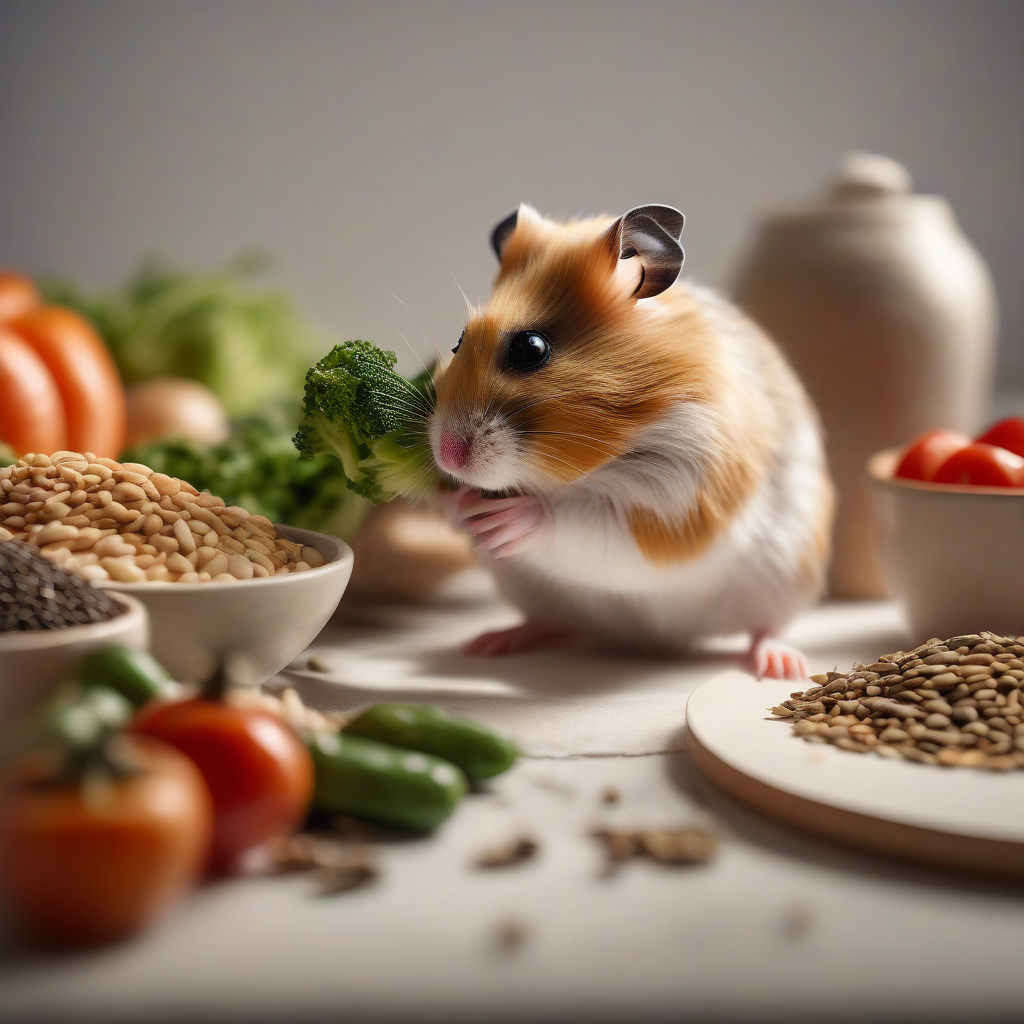
In this article, you will scientifically discover 5 insidious anti-nutrients unknowingly present in your hamster's daily diet that can profoundly affect its health, and how they threaten metabolic systems. Get ready to reshape your nutritional strategies for optimal well-being!


Discover the types of burns your dog can suffer, the 5 insidious neurophysiological effects these burns create in the brain and body, and lifesaving emergency intervention strategies in this comprehensive guide. We shed light on the dangers behind forgotten household accidents from a scientific perspective.

Discover the neurobiological signals of hidden stress your newly adopted cat experiences during adaptation to a new social environment. This article reveals 5 insidious signs of your cat's silent struggle and scientific strategies for peaceful, long-term harmony.

Your dog's anal sacs, located beneath the tail, can be hidden alarm bells often overlooked but profoundly affecting their quality of life. In this article, you will discover the 5 insidious neurobiological effects of anal sac problems on the brain and the lifesaving care secrets you need to know for your furry friend to live a peaceful life.
We all want the best for our beloved hamsters, filling their food bowls with carefully selected seeds, nuts, and fresh vegetables. However, some of these seemingly healthy foods can contain hidden defense mechanisms called “anti-nutrients” that can silently threaten our hamsters' metabolic health and overall well-being. These compounds are natural chemicals produced by plants to protect themselves from predators, and when consumed, they can hinder nutrient absorption or negatively affect bodily functions.
As of May 2026, our scientific understanding of hamster nutrition continues to deepen. We are now focusing not only on "what they should eat" but also on "how the hidden components within their food affect them." In this article, we will scientifically examine 5 anti-nutrients that may be unknowingly present in your hamster's diet, posing insidious metabolic threats, and explore strategies to manage them.
Anti-nutrients are compounds naturally found in plant-based foods that, when consumed by animals, reduce the absorption or utilization of essential nutrients such as proteins, vitamins, and minerals. Small rodents like hamsters can be more susceptible to these compounds due to their rapid metabolism and specific sensitivities to certain nutrients. Their small size makes them more vulnerable to high concentrations of anti-nutrients. Unknowingly providing a diet high in anti-nutrients can lead to long-term mineral deficiencies, digestive issues, and even organ damage.
Anti-nutrients can inhibit enzyme activity, bind with minerals to prevent their absorption, and cause irritation in the digestive system. This can lead to stunted growth, low energy, and chronic health problems in hamsters. Therefore, being aware of these hidden compounds is crucial when planning your hamster's diet.
Phytates (phytic acid) are anti-nutrients commonly found in seeds, grains, and nuts. They serve as a phosphorus storage for the plant. When consumed by hamsters, phytates bind strongly with essential minerals such as iron, zinc, calcium, and magnesium, forming insoluble compounds. This significantly reduces the absorption of these minerals from the intestines, potentially leading to long-term deficiencies.
Mineral deficiencies can cause numerous health problems in hamsters. For example, calcium deficiency negatively impacts bone health, while zinc deficiency can weaken the immune system. As discussed in Your Hamster's Hidden Dental Crises: 5 Insidious Neurological Threats from Continuous Growth and Scientific Solutions!, a decrease in calcium absorption can directly threaten dental health. A seed-heavy diet rich in phytates can lead to insufficient intake of these minerals, causing long-term issues.
Oxalates (oxalic acid) are another anti-nutrient found in many green vegetables like spinach, rhubarb, chard, and some types of parsley. Oxalates combine with calcium in the digestive system to form insoluble calcium oxalate crystals. These crystals not only inhibit calcium absorption but can also accumulate in the kidneys and bladder, paving the way for stone formation.
Hamsters can be prone to kidney and bladder stone formation, especially if their water intake is low or if they have a genetic predisposition. Excessive consumption of oxalate-rich foods increases this risk. Furthermore, inhibited calcium absorption affects overall bone health and can indirectly impact energy levels, as discussed in Your Hamster's Hidden 'Vitamin Traps': 5 Critical Neurological Signs Triggering Energy Levels and Scientific Nutrition Secrets!. Therefore, it is important to offer oxalate-containing vegetables in moderation and balance.
Tannins are polyphenolic compounds found in legumes, some nuts, tea, and certain fruits (e.g., unripe bananas). They are responsible for the bitter and astringent taste. Tannins form complexes with nutrients, particularly proteins and digestive enzymes, thereby reducing protein digestion and absorption. They can also irritate the intestinal lining.
High consumption of tannins can lead to protein deficiency, digestive disturbances, weight loss, and stunted growth in hamsters. Due to their irritant effects on the digestive system, issues like diarrhea or constipation may also occur. As highlighted in The Secret Chemistry of Your Hamster's Food Bowl: 5 Neurobiological Nutrition Secrets for Optimal Digestion!, optimal digestion relies on the proper breakdown and absorption of nutrients; tannins severely disrupt this process.
Protease inhibitors are compounds found primarily in legumes (beans, soy) and some grains. These substances inhibit the activity of proteases, which are digestive enzymes like trypsin and chymotrypsin, responsible for breaking down proteins. Consequently, consumed proteins cannot be fully digested and absorbed.
Adequate protein intake is vital for growth, muscle development, and general cellular functions in hamsters. The presence of protease inhibitors leads to an insufficient supply of amino acids necessary for these essential functions. This can cause stunted growth, especially in young and growing hamsters, and an overload on the pancreas. Inadequate amino acid absorption can indirectly affect brain chemistry and optimal well-being, as discussed in Your Hamster's Hidden 'Vitamin Sources': 5 Insidious Nutritional Secrets Shaping Brain Chemistry and Scientific Nutrition for Optimal Well-being.
Glucosinolates are sulfur-containing compounds found in cruciferous vegetables such as broccoli, cabbage, and cauliflower. Although these vegetables are usually included in hamster diets in small amounts, they can pose a problem if given in large quantities or regularly. Glucosinolates can convert into substances in the body that inhibit thyroid hormone production, exhibiting a goitrogenic effect.
Thyroid hormones play a role in many critical bodily functions, including metabolic rate, growth, and development. Disruption of thyroid function can lead to stunted growth, low energy, poor fur quality, and by disturbing overall metabolic balance, can contribute to issues like brain aging, as mentioned in Your Hamster's Hidden Antioxidant Shield: 5 Neuro-Nutrient Secrets Slowing Brain Aging!. Therefore, if cruciferous vegetables are to be included in a hamster's diet, they should be given very rarely and in tiny portions.
While anti-nutrients are a natural part of nature, we can minimize their negative effects with conscious feeding strategies:
Your hamster's health depends on even the smallest details in its diet. Anti-nutrients can be insidious threats hidden in some 'healthy' foods. Understanding the potential negative effects of these compounds—such as phytates, oxalates, tannins, protease inhibitors, and glucosinolates—on metabolic systems helps us make informed nutritional choices. With diversity, balance, and proper preparation methods, you can ensure your hamster lives a healthy, long, and happy life. Remember, knowledge is the most powerful nutritional shield!
