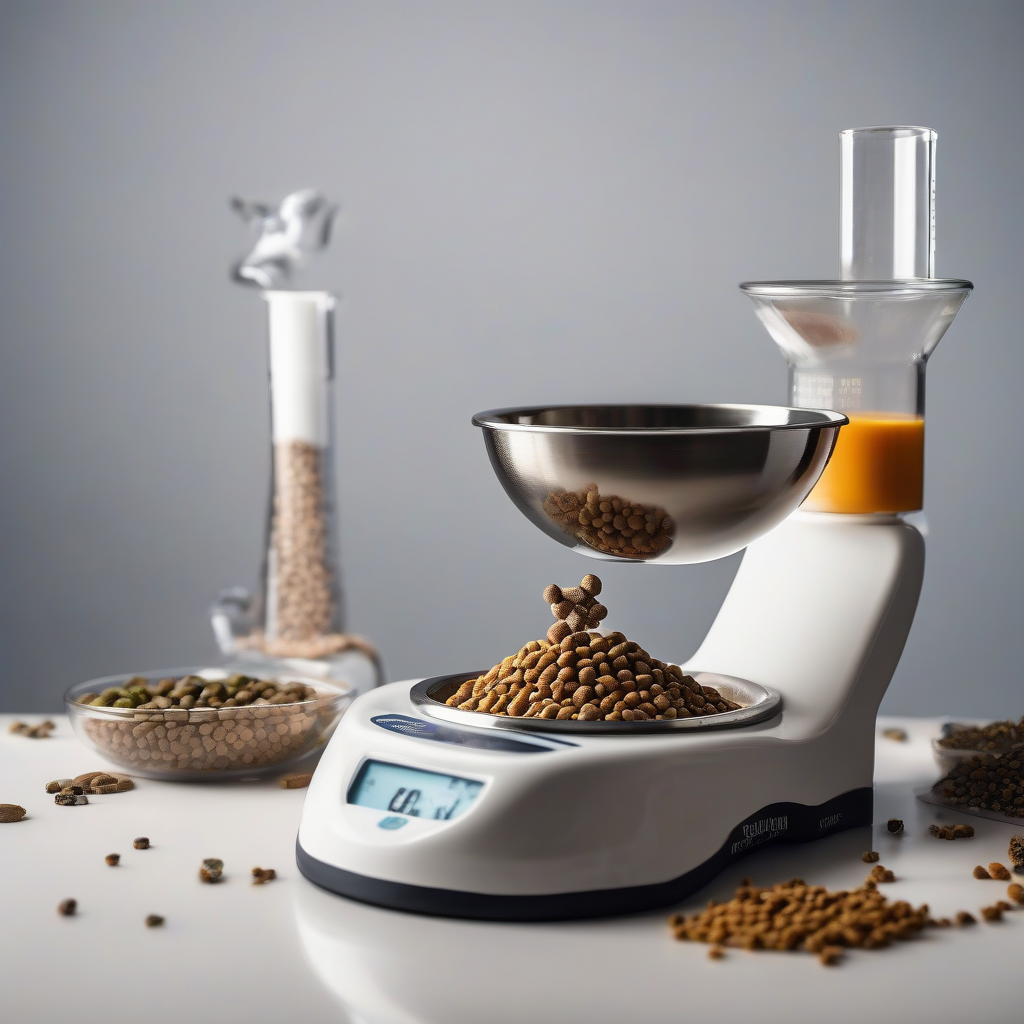
Your dog's food contains much more than you think. In this article, discover the hidden cofactor crises in the food bowl, namely 5 insidious mineral deficiencies that sabotage enzyme activities, and their lifesaving scientific solutions.


Discover the types of burns your dog can suffer, the 5 insidious neurophysiological effects these burns create in the brain and body, and lifesaving emergency intervention strategies in this comprehensive guide. We shed light on the dangers behind forgotten household accidents from a scientific perspective.

Discover the neurobiological signals of hidden stress your newly adopted cat experiences during adaptation to a new social environment. This article reveals 5 insidious signs of your cat's silent struggle and scientific strategies for peaceful, long-term harmony.

Your dog's anal sacs, located beneath the tail, can be hidden alarm bells often overlooked but profoundly affecting their quality of life. In this article, you will discover the 5 insidious neurobiological effects of anal sac problems on the brain and the lifesaving care secrets you need to know for your furry friend to live a peaceful life.
Your dog's daily diet is not just about macronutrients. There are small players that are critical for the smooth functioning of their advanced digestive system and overall health, yet often overlooked: minerals.
These minerals act as essential 'cofactors' for enzymes to function correctly. Enzymes catalyze countless biochemical reactions in the body, from breaking down nutrients and producing energy to immune functions and nerve transmission. If these cofactors are deficient, enzymes are left powerless, and vital functions are disrupted. Hidden cofactor crises in the food bowl can silently threaten your dog's health.
In this article, we will delve into 5 insidious mineral deficiencies often overlooked in the food bowl that can sabotage your dog's enzyme activities, and the scientific solutions you can take against them.
Minerals are not only crucial for bone health but also serve as 'assistants' to enzymes that regulate the body's chemical reactions. An enzyme often requires one or more mineral ions to function effectively. These minerals help the enzyme bind to its substrate, facilitate the chemical reaction, and release the products. This complex dance forms the foundation for your dog to stay energetic and healthy.
Zinc acts as a cofactor in hundreds of enzymatic reactions, from digestive enzymes and DNA synthesis to immune system function and wound healing. In cases of deficiency, symptoms such as digestive disturbances, a weakened immune system, skin problems, and slow healing can occur. Without adequate zinc intake, the body cannot effectively repair itself and becomes more vulnerable to diseases.
Scientific Solution: High-quality, balanced dog foods typically contain sufficient zinc. However, if you are following special diets or notice signs of zinc deficiency in your dog, consult your veterinarian about zinc supplements or fortified foods. It is particularly important to check zinc levels in grain-free or limited-ingredient diets.
Manganese plays a critical role in activating enzymes necessary for glucose metabolism, bone formation, and connective tissue health. Studies suggest a role for manganese deficiency in the development of skeletal issues like osteochondritis dissecans (OCD). It also participates in the function of antioxidant enzymes, protecting cells from the harmful effects of free radicals.
Scientific Solution: A balanced diet generally provides adequate manganese. However, some food formulations, especially those designed for early growth, may be specifically adjusted to optimize manganese levels. Discuss appropriate manganese intake for your dog's age and breed with your veterinarian.
Copper functions as a cofactor in enzymes that enable iron utilization in the body, in energy production enzymes, and in enzymes involved in nerve transmission, which is vital for brain function. Copper deficiency can lead to anemia, loss of pigmentation, and neurological problems. Some dog breeds (e.g., Bedlington Terriers) metabolize copper differently genetically, so breed-specific nutritional needs should not be overlooked.
Scientific Solution: Excessive copper intake can also be toxic, making balanced formulations essential. Your veterinarian must be cautious when recommending copper supplements for your dog's specific needs. High-quality, premium foods often have formulations optimized for copper absorption and utilization.
Selenium is a fundamental component of powerful antioxidant enzymes like glutathione peroxidase. These enzymes support overall health by preventing cellular damage and play a significant role in the metabolism of thyroid hormones. Deficiency can lead to muscle weakness, suppressed immune function, and impaired thyroid function. Adequate selenium enhances your dog's resistance to diseases.
Scientific Solution: Soil quality affects selenium levels as it is absorbed by plants. High-quality dog foods are specifically formulated to provide the selenium your dog needs. Your veterinarian may consider selenium supplements, especially for specific health conditions.
Mangan is essential for the activation of enzymes involved in the metabolism of carbohydrates, amino acids, and cholesterol. This directly impacts your dog's overall energy levels and muscle function. Mangan deficiency can lead to growth retardation and reproductive problems. It also plays a role in the synthesis of glycosaminoglycans (a key component of cartilage structure), increasing its importance for joint health.
Scientific Solution: High-quality dog foods are designed to provide the necessary amount of mangan for your dog's overall health in a balanced manner. Checking the ingredient list and choosing reputable brands when selecting your dog's food is important. You can better understand the importance of food selection by reviewing the article Your Dog's Hidden 'Digestive Symphony': Neurobiological Keys of Food Selection and Liver Health Revolution!.
Preventing deficiencies of these critical minerals in your dog's diet directly impacts their overall health and quality of life. Here are the steps you can take:
In conclusion, what appears to be a simple pile of nutrients in your dog's food bowl is actually a hidden laboratory where the complex biochemical reactions in your dog's body are managed. Minerals, as key players in this laboratory, help your dog live a healthy life by ensuring enzymes function effectively. Recognizing and preventing these hidden cofactor crises is one of the most crucial steps in protecting your beloved companion's well-being.
