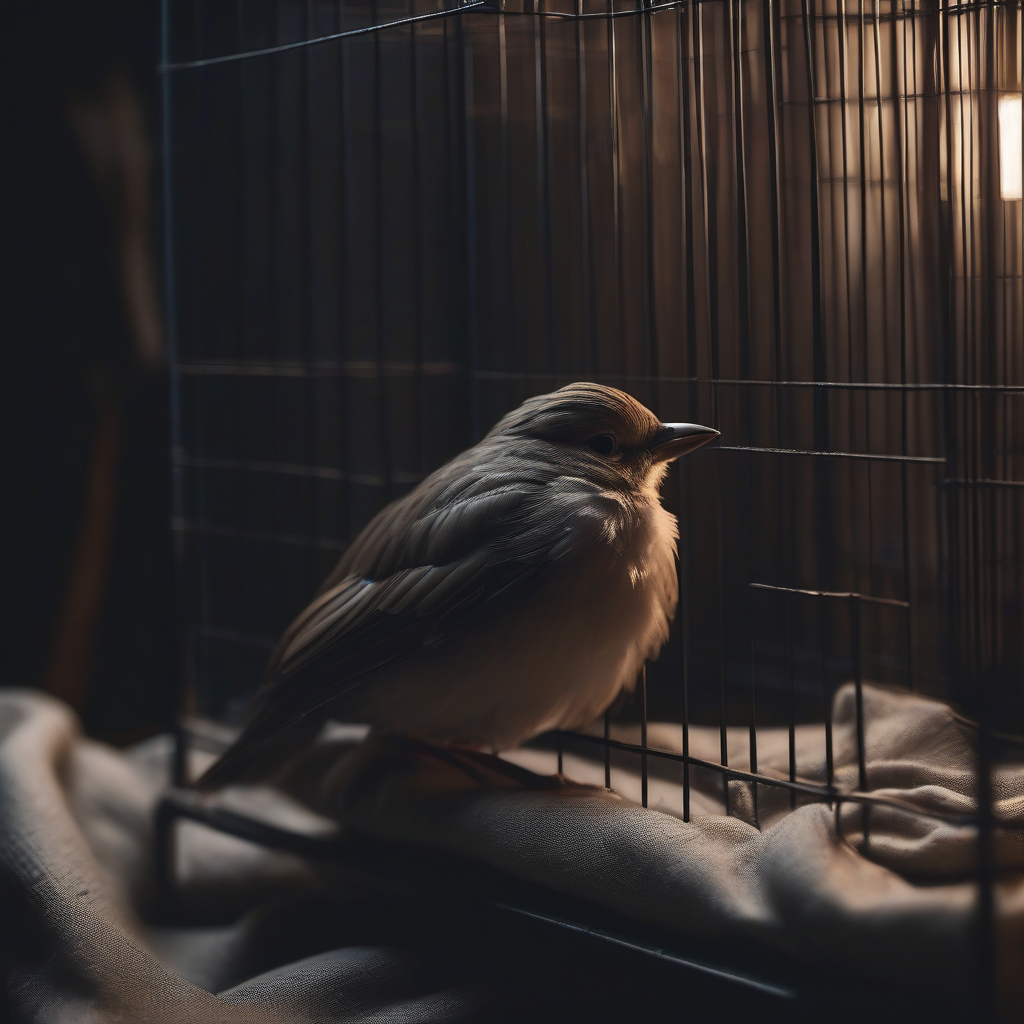
In this article, you will discover the neurobiological importance of darkness and silence for your bird's healthy sleep pattern, the factors shaping sleep architecture, and scientific secrets to ensure a peaceful night.

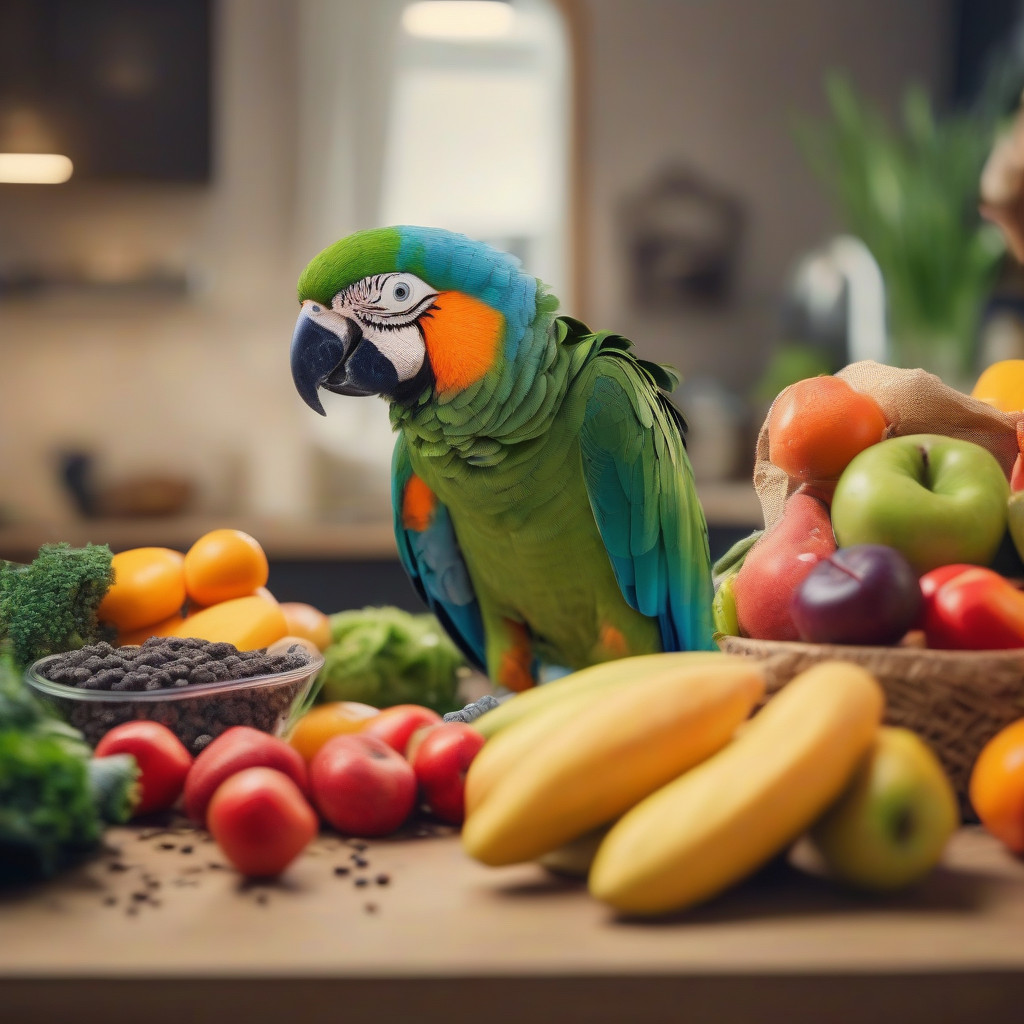
In this article, you will find comprehensive information about the insidious neurobiological effects of artificial colorings, preservatives, and flavors found in commercial bird feeds on your bird's brain health and mental vitality. We explore scientific nutritional secrets to combat these hidden dangers, shedding light on a wide spectrum of effects from behavioral changes to cognitive decline.

In this article, you can discover the scientific secrets to understanding your cat's undesirable habits, deciphering the neurocognitive mechanisms in their brain, and establishing lasting new routines.

Discover the types of burns your dog can suffer, the 5 insidious neurophysiological effects these burns create in the brain and body, and lifesaving emergency intervention strategies in this comprehensive guide. We shed light on the dangers behind forgotten household accidents from a scientific perspective.
Our pet birds, with their vibrant feathers, melodic calls, and energetic antics, make wonderful companions. However, there's an often-overlooked aspect of their daily lives that is critically important for their well-being: sleep. Just like in humans, quality sleep is a cornerstone of physical and mental health for birds. Unfortunately, birds' sleep needs are often misunderstood or inadequately met, leading to chronic stress, behavioral problems, and health issues. So, how can you decipher your bird's 'secret sleep architecture' and provide them with a peaceful night? In this article, we will delve into the neurobiological effects of darkness and silence, unveiling scientific secrets for your bird's optimal sleep pattern.
Birds are creatures with extremely active metabolisms throughout the day. Their high energy expenditure, ability to fly, and environmental vigilance further amplify their need for rest. Sleep is a vital process for birds' brains to process information acquired during the day, consolidate memories, and perform cellular repair. Research indicates that birds, much like humans, undergo both REM (Rapid Eye Movement) and non-REM (Slow-Wave Sleep) stages. These sleep cycles are neurobiologically fundamental for birds' complex learning abilities, problem-solving skills, and even vocal practice.
Chronic sleep deprivation in birds can increase cortisol (stress hormone) levels, weakening the immune system, causing behavioral changes (aggression, feather plucking), and negatively affecting cognitive functions. Symptoms like those described in Your Bird's 'Secret Feather Plucking Alarm': Stress, Hormones, and Environmental Triggers! might actually be a reflection of sleep problems.
One of the most powerful neurobiological factors governing a bird's sleep pattern is the light cycle. In nature, as the sun sets and environmental light levels decrease, the pineal gland in a bird's brain begins to secrete melatonin. Melatonin is a key neurotransmitter that signals the body to switch to 'night' mode, facilitating sleep onset and regulating sleep quality.
In a home environment, artificial lighting can disrupt this natural circadian rhythm. Lights left on overnight, television screens, or even light filtering in from streetlights can suppress melatonin production, sending incorrect signals to your bird's brain. This leads to difficulty falling asleep, frequent awakenings, and feeling unrested. Light exposure is as crucial as the 'climate control' mentioned in Your Bird's 'Hidden Climate Control' in the Cage: Neurobiological Secrets of Temperature Hotspots and Scientific Design Principles for a Peaceful Home.
For an optimal sleep environment, it is critical to cover your bird's cage with a thick, breathable cover that ensures complete darkness. This cover supports melatonin production, correctly signaling 'sleep time' to your bird's brain. However, it's essential that the cover doesn't obstruct airflow and is introduced gradually to avoid stressing the bird.
Equally important as darkness is silence. As prey animals, birds are highly sensitive to environmental sounds throughout the night. Even the slightest noise can wake them from sleep and trigger the release of stress hormones due to a perceived 'danger.' A bird trying to sleep in a chronically noisy environment remains in a constant state of neurobiological alert, making deep, restorative sleep impossible.
Constant human conversations, television, radio noise, or even the hum of a refrigerator can affect your bird's sleep quality. As stated in Your Bird's 'Secret Communication Channels': Neurobiological Effects of Environmental Changes and Adaptation Secrets, environmental changes profoundly impact a bird's overall well-being. For quality sleep, it is recommended to place the cage in a quiet, preferably separate room, isolated from noise.
If complete silence is not possible, using a soft, monotonous 'white noise' machine can help mask sudden external sounds, allowing your bird to sleep more peacefully. However, this sound should be kept at a low level that does not disturb the bird's auditory spectrum, and sudden tone changes should be avoided.
Here are steps you can take to support your bird's sleep architecture:
Birds thrive on consistency. Support your bird's circadian rhythm by darkening the cage at the same time each night and uncovering it at the same time each morning. This optimizes melatonin production and teaches your bird's brain when to fall asleep and wake up.
Cover the cage with a thick, light-blocking yet breathable cover. Even light filtering in from a streetlamp can inhibit melatonin production. Place the cover gently and ensure your bird is comfortable inside. Additionally, as mentioned in Your Bird's Cage's 'Hidden Airflow' Mazes: 5 Unknown Neurobiological Effects and Nesting Secrets to Erase Stress!, the cover should not obstruct airflow.
Place the cage in the quietest room of the house or minimize noise levels throughout the night. Consider using aids like a white noise machine, but be mindful of its volume.
Providing sufficient physical activity and mental stimulation during the day will help your bird fall asleep more easily at night. Games, exercises, and new toys increase energy expenditure, supporting sleep quality.
A cage with comfortable perches provides a sense of security. Perches allow the bird to maintain balance and sleep in a comfortable position throughout the night. Furthermore, a well-ventilated environment, as discussed in Your Bird's 'Secret Climate': 5 Neurobiological Secrets of Cage Air Quality and Scientific Protection of Respiratory Health!, also improves sleep quality.
Ensuring your bird has a healthy sleep pattern is an integral part of its overall well-being. The neurobiological impact of darkness on melatonin and the stress-reducing power of silence create the fundamental conditions for your bird's brain to rest and rejuvenate. By applying these scientific secrets, you can offer your beloved companion not just a cage, but a peaceful sleep sanctuary, ensuring they lead a happier, healthier, and more energetic life. Remember, a good night's sleep brings numerous benefits, from a shiny and vibrant plumage to sharp mental capacity.
