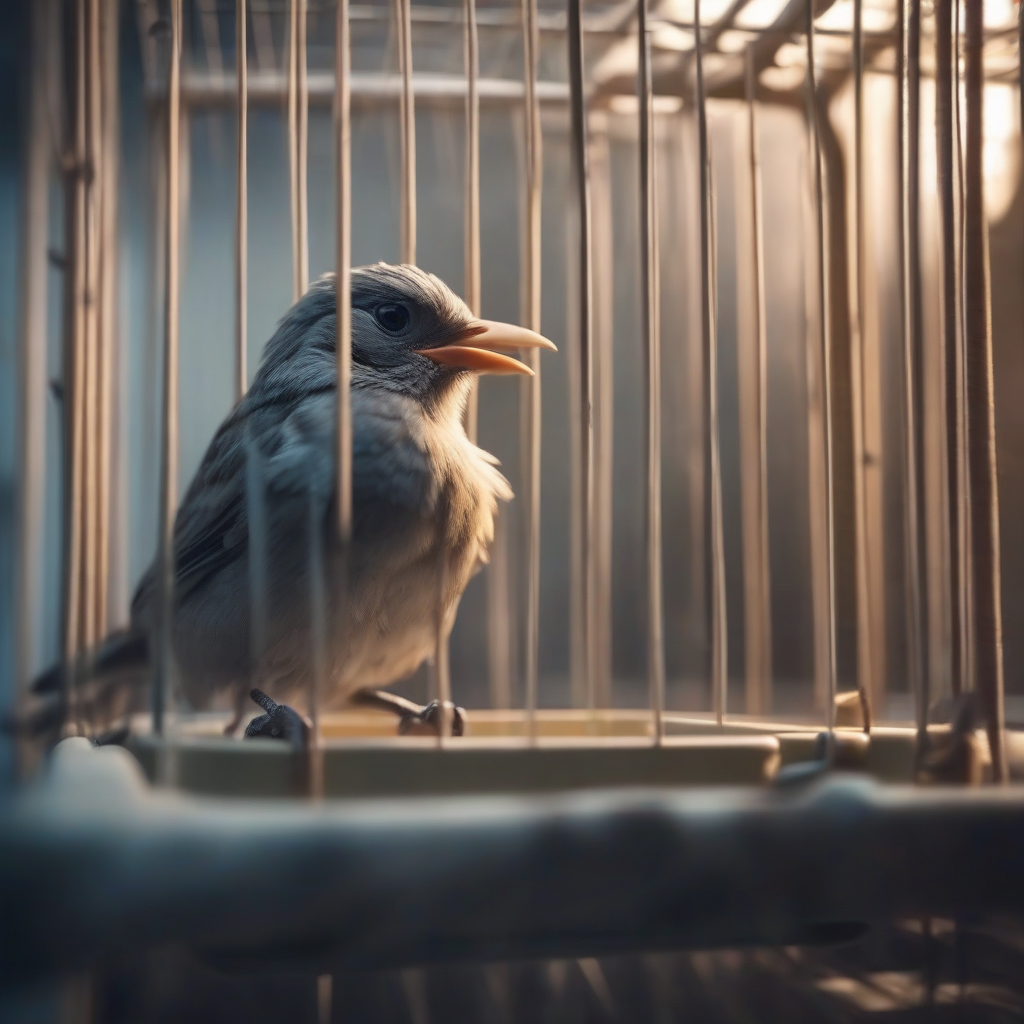
In this article, you can discover the hidden effects of cage air quality on your bird's respiratory health and 5 neurobiological secrets to optimize it.


Discover the types of burns your dog can suffer, the 5 insidious neurophysiological effects these burns create in the brain and body, and lifesaving emergency intervention strategies in this comprehensive guide. We shed light on the dangers behind forgotten household accidents from a scientific perspective.

Discover the neurobiological signals of hidden stress your newly adopted cat experiences during adaptation to a new social environment. This article reveals 5 insidious signs of your cat's silent struggle and scientific strategies for peaceful, long-term harmony.

Your dog's anal sacs, located beneath the tail, can be hidden alarm bells often overlooked but profoundly affecting their quality of life. In this article, you will discover the 5 insidious neurobiological effects of anal sac problems on the brain and the lifesaving care secrets you need to know for your furry friend to live a peaceful life.
Birds, with their delicate structures and sensitive respiratory systems, are extremely susceptible to the air quality in their cages. While the information we have often focuses on direct disease symptoms, there's an overlooked truth: cage air quality has profound neurobiological effects on your bird's overall health and well-being. In this article, we will delve into these often unnoticed effects and explore 5 scientifically proven neurobiological secrets to maintain optimal respiratory health.
A bird's respiratory system is quite different from that of mammals. The presence of air sacs and a complex lung structure makes them highly sensitive to the smallest particles and chemicals in the air. This sensitivity not only leads to physical discomfort but also affects the neurotransmitter levels in their brains, thereby influencing their overall behavioral and physiological state. Poor or imbalanced air can increase your bird's stress levels, weaken their immune system, and lay the groundwork for chronic respiratory problems in the long run.
Cleaning products, air fresheners, incense, and even new furniture used in our homes can emit volatile organic compounds (VOCs). Birds are extremely sensitive to these VOCs. When inhaled, these chemicals can reach the brain and disrupt neurotransmitter balance. Particularly, chemicals like dopamine and serotonin, which affect mood and behavior, can be negatively impacted. This situation can lead to unexplained restlessness, aggressive behaviors, or depressive tendencies in your bird.
Scientific Solution: Be aware of chemical products that should be kept away from your bird's cage. Opt for natural and chemical-free cleaning products. Avoid using candles and incense. Place the cage in a well-ventilated area.
Dust, feather dander, mold spores, and other particulate matter can accumulate in a bird's respiratory tract, causing inflammation (neuroinflammation). This inflammation doesn't just stay in the lungs; it can reach the brain, negatively affecting cognitive functions and nerve transmission. Chronic neuroinflammation can lead to learning difficulties and behavioral changes.
Scientific Solution: Implement a regular and meticulous cage cleaning routine. Consider using HEPA filter air purifiers to reduce dust and allergens around your bird. Review the quality and type of substrate materials used in the cage; some can produce more dust.
Imbalances in cage humidity levels directly affect a bird's respiratory health. Very low humidity can cause airways to dry out and become irritated, while very high humidity creates a favorable environment for mold and bacteria growth. Reduced airway flexibility makes breathing difficult and increases vulnerability to infections. The brain perceives these imbalances, triggering a stress response.
Scientific Solution: Monitor humidity levels around the cage using a hygrometer. The ideal range is between 40-60%. Use humidifiers or dehumidifiers as needed. Pay attention to maintaining a stable room temperature.
In enclosed spaces, especially in poorly ventilated cages, carbon dioxide (CO2) levels can rise. High CO2 levels can make your bird feel lethargic, impair concentration, and generally reduce their mental performance. This situation also negatively affects their ability to perceive and react to their environment.
Scientific Solution: Keep the cage in a continuously well-ventilated area. Allow for natural airflow by leaving the cage door open for a period in the morning and evening. Ensure adequate oxygen in the room.
Sudden temperature changes can put stress on a bird's respiratory system. Cold snaps or extreme heat, in particular, can cause constriction of the airways. The brain perceives these sudden changes as a threat, triggering emergency responses that increase heart rate and respiration. Prolonged exposure increases the risk of respiratory infections.
Scientific Solution: Avoid placing the cage in direct sunlight or near heaters. Ensure that room temperatures do not fluctuate drastically. Especially during seasonal transitions, make sure your bird is not cold.
Protecting your bird's respiratory health requires more than just treating disease symptoms. Optimizing cage air quality directly impacts their neurobiological well-being. By understanding and implementing the 5 neurobiological secrets mentioned above, you can ensure your feathered friend lives a healthier, happier, and more energetic life. Remember, good care lies in the overlooked details. Combined with elements like (Your Bird's Secret 'Nutritional Shield': 5 Critical Neuro-Nutrient Secrets for Feather Health and Scientific Protocols for a Lustrous Appearance!) and a suitable living environment (Your Bird's Secret 'Heat Sources': 5 Unknown Neurobiological Effects of Cage Placement and Nesting Secrets to Erase Stress!), you can open the door to a long and healthy life with your pet companion.
