
In this article, we will deeply explore the insidious neurophysiological signs of Gastric Dilatation Volvulus (GDV), also known as bloat, in dogs, the importance of early diagnosis, and lifesaving emergency intervention strategies. Understanding the hidden signals in your dog's body will enable you to take the right steps in critical moments.

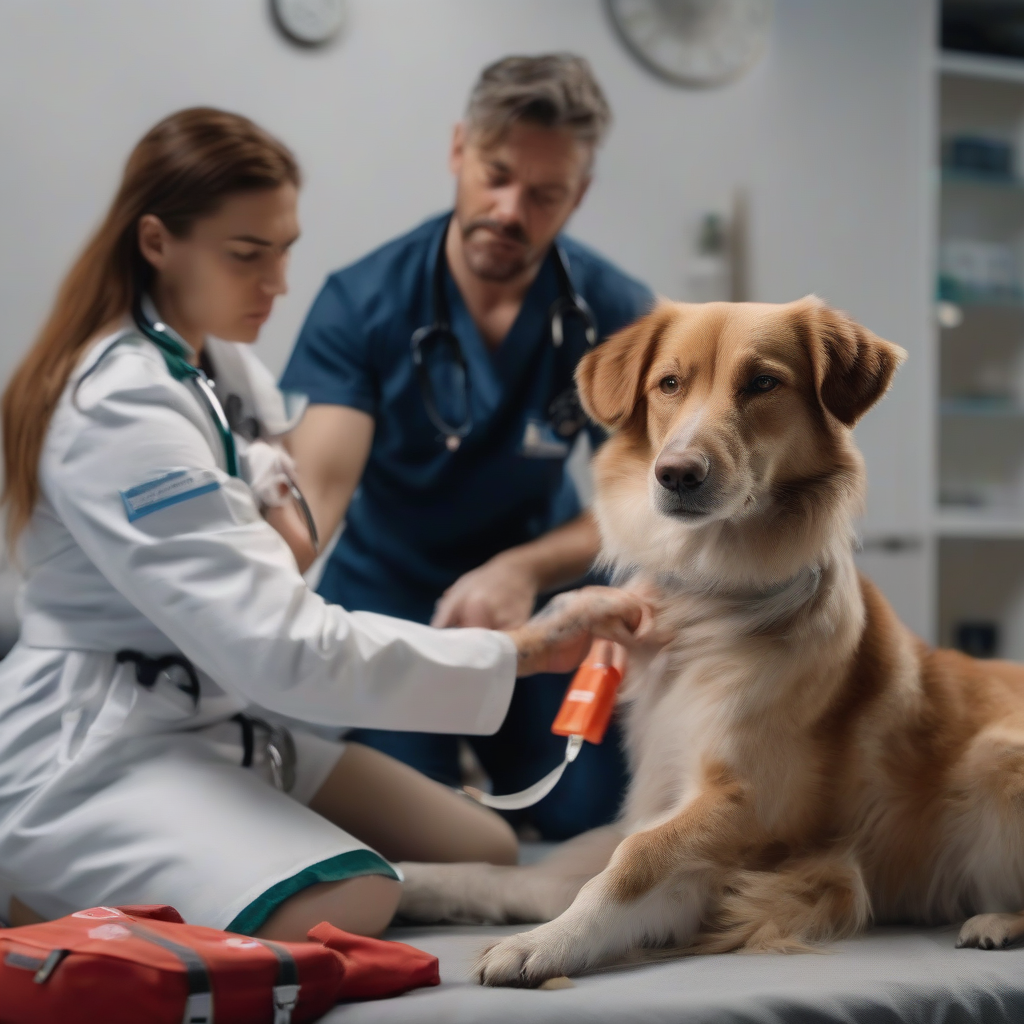
Discover the types of burns your dog can suffer, the 5 insidious neurophysiological effects these burns create in the brain and body, and lifesaving emergency intervention strategies in this comprehensive guide. We shed light on the dangers behind forgotten household accidents from a scientific perspective.

Discover the neurobiological signals of hidden stress your newly adopted cat experiences during adaptation to a new social environment. This article reveals 5 insidious signs of your cat's silent struggle and scientific strategies for peaceful, long-term harmony.

Your dog's anal sacs, located beneath the tail, can be hidden alarm bells often overlooked but profoundly affecting their quality of life. In this article, you will discover the 5 insidious neurobiological effects of anal sac problems on the brain and the lifesaving care secrets you need to know for your furry friend to live a peaceful life.
One of the greatest fears for dog owners is their companions facing a sudden and life-threatening condition. Gastric Dilatation Volvulus (GDV), commonly known as bloat, is paramount among these. Although more common in large and deep-chested breeds, GDV can affect dogs of all ages and breeds, becoming fatal within minutes and requiring immediate veterinary intervention. However, the initial signs of GDV are often insidious and vague, making early diagnosis challenging. In this article, we will decode the hidden neurophysiological signals in your dog's body to reveal 5 insidious harbingers of this critical 'sudden abdominal crisis' and lifesaving emergency intervention secrets with scientific approaches.
Gastric Dilatation Volvulus (GDV) is a condition where a dog's stomach fills excessively with gas, fluid, and food (dilatation) and then rotates on its axis (volvulus). When the stomach twists, the esophagus and duodenum become obstructed. This not only increases pressure within the stomach but also compresses the blood vessels supplying and draining the stomach. The cutoff of blood flow rapidly leads to tissue death in the stomach, release of toxins into the bloodstream, and organ failure. Furthermore, compressed blood vessels prevent adequate blood return to the heart, leading to shock and cardiac arrhythmias. This complex physiological process diminishes your dog's survival chances with every passing minute.
Recognizing the early signs of GDV is vital. Here are 5 insidious neurophysiological signs to watch for:
With the onset of GDV, your dog's autonomic nervous system (the system that prepares the body for stress and danger) becomes activated. This can manifest as restlessness, anxiety, and unusual behaviors without an obvious cause. Your dog might pace constantly, try to hide, wander aimlessly, or become more withdrawn than usual. In early stages, abdominal pain may be mild and perceived as general discomfort. These behaviors act as 'silent alarms' to an internal abnormality. To understand the causes behind such sudden behavioral changes, you might refer to our article: Your Dog's New Home Stress: 5 Hidden Neurobiological Keys Behind Sudden Behavioral Changes and Solutions!.
Bloat increases pressure on the vagus nerve, disrupting communication between the digestive system and the brain. This can manifest as repeated and unproductive retching (attempting to vomit but bringing nothing up) or constant attempts to burp. Even if your dog's abdomen is not yet visibly distended, this 'dry retching' is one of the most important and often the first observed signs of GDV. This indicates a neurophysiological reflex to expel stomach contents, which fails due to the obstruction.
As bloat progresses, blood circulation becomes severely compromised. Compression of the stomach's blood vessels prevents sufficient oxygenated blood from reaching other parts of the body, especially the brain. This manifests as pre-shock symptoms in your dog. Pale or grey gums, a weak and rapid pulse, decreased body temperature, trembling, and a general state of apathy are neurophysiological indicators of this stage. Sudden weakness in your dog could also point to an electrolyte crisis, as discussed in Your Dog's 'Hidden Electrolyte Crises': 5 Insidious Neurophysiological Signs of Sudden Weakness and Lifesaving Scientific Intervention, making immediate veterinary attention paramount.
In GDV, ischemia (insufficient blood flow) and distension of the stomach tissue cause severe pain. This pain is processed by the central nervous system and can lead to noticeable changes in your dog's posture or reactions. Your dog avoiding touch to its abdominal area, exhibiting a hunched posture, being unable to lie down comfortably, whimpering, or showing anxious glances are neurophysiological reflections of pain. These symptoms can also resemble other internal organ crises, such as those mentioned in Your Dog's Hidden Pancreas Alarm: 5 Insidious Neurometabolic Signs of Enzyme Leakage and Lifesaving Scientific Solutions!. In any case, taking pain seriously and seeking professional help is essential.
In advanced GDV cases, oxygen deprivation and toxin accumulation in the body lead to a general metabolic crisis. This can disrupt neurotransmitter balance in the brain, causing severe neurological symptoms in your dog. Lethargy, muscle weakness, loss of coordination, trembling, and eventually loss of consciousness or collapse are neurocognitive indicators of the final stages of GDV. At this point, your dog's condition is extremely critical, and without immediate medical intervention, death becomes inevitable. For similar 'silent damage' symptoms after trauma, refer to our article: Your Dog's 'Silent Damage': 5 Hidden Neurometabolic Signals After Trauma and Lifesaving Scientific Intervention!.
Time is a critical factor in GDV. If you notice any of the above symptoms, the only thing you should do is immediately take your dog to the nearest emergency veterinary clinic.
While it's not possible to completely prevent GDV, you can minimize risk factors:
Remember, every second counts in GDV. Understanding your dog's neurophysiological signals and promptly seeking veterinary attention at the slightest suspicion is key to saving its life.
