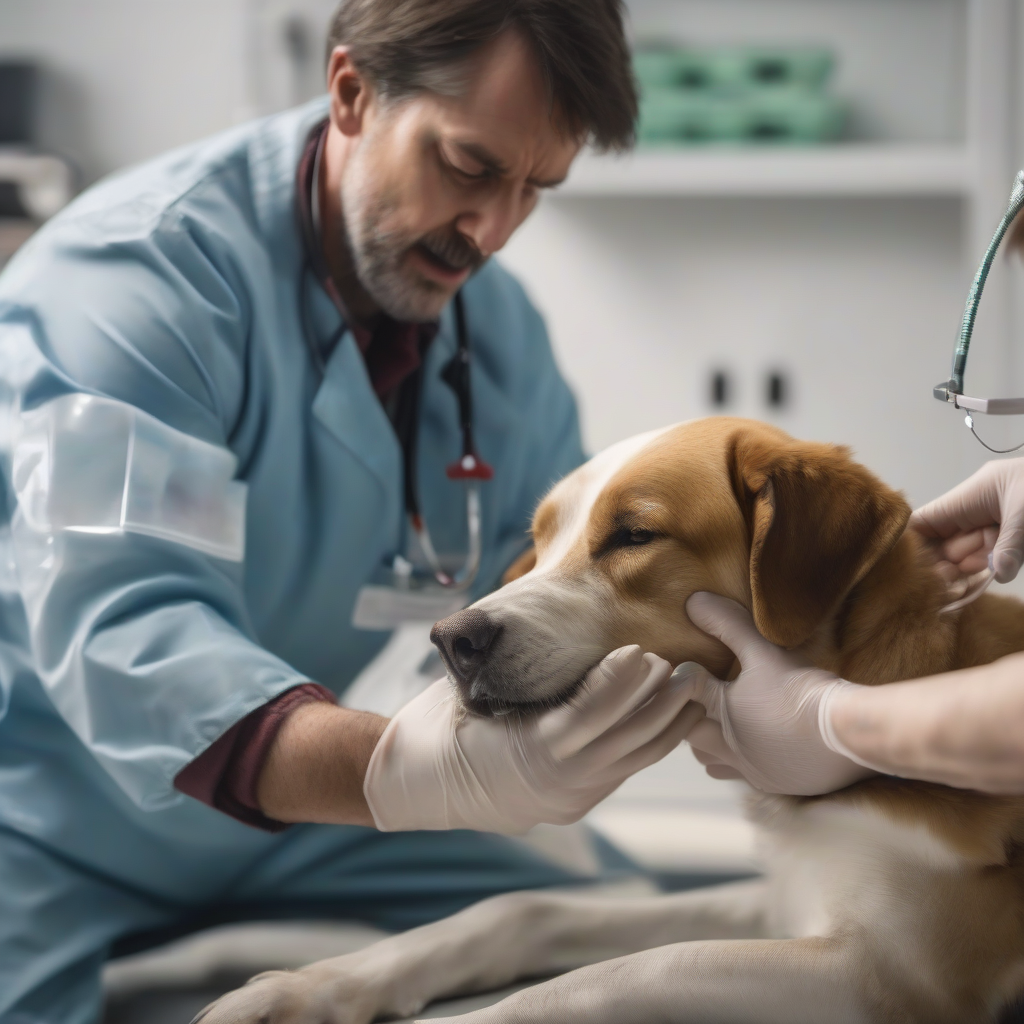
Discover the hidden internal injuries that can occur after your dog experiences trauma, and their life-threatening neurometabolic signs. This article reveals 5 critical signals and emergency intervention protocols backed by scientific data to help you save your dog's life.


Discover the types of burns your dog can suffer, the 5 insidious neurophysiological effects these burns create in the brain and body, and lifesaving emergency intervention strategies in this comprehensive guide. We shed light on the dangers behind forgotten household accidents from a scientific perspective.

Discover the neurobiological signals of hidden stress your newly adopted cat experiences during adaptation to a new social environment. This article reveals 5 insidious signs of your cat's silent struggle and scientific strategies for peaceful, long-term harmony.

Your dog's anal sacs, located beneath the tail, can be hidden alarm bells often overlooked but profoundly affecting their quality of life. In this article, you will discover the 5 insidious neurobiological effects of anal sac problems on the brain and the lifesaving care secrets you need to know for your furry friend to live a peaceful life.
Dogs, while playing, running, or through accidental falls and collisions, can suffer serious internal injuries without any visible external wounds. These 'silent damages,' particularly affecting organs in the abdominal and thoracic cavities, can lead to conditions that are difficult to detect initially but rapidly become life-threatening. As veterinarians, we understand how critical it is to be aware of these hidden dangers and to intervene early. In this article, we will decipher 5 hidden neurometabolic signals that may indicate internal injuries in your dog after trauma, along with lifesaving scientific intervention codes.
Internal organ injuries may not show external bleeding or obvious bruising. However, they can disrupt the body's internal balance (homeostasis), creating profound effects on the nervous system and metabolic processes. This triggers a series of complex physiological changes known as the 'neurometabolic cascade.' Pain, shock, organ dysfunction, and even cellular damage may manifest in your dog's behavior or physical condition through very subtle signals. Correctly interpreting these signals can make a vital difference by ensuring timely professional help.
Neurometabolic signs indicate a disruption in the delicate balance between the body's energy production, nerve transmission, and organ functions. For example, internal bleeding or organ damage can lead to a drop in blood pressure, reduced oxygen-carrying capacity, and consequently, insufficient nutrient and oxygen supply to the brain and other vital organs. This prevents nerve cells and metabolic processes from functioning properly, resulting in observable symptoms such as abnormal behaviors, respiratory changes, or body temperature irregularities. Therefore, these signs are direct indicators of the severity of an internal problem your dog is experiencing.
Closely monitoring your dog for these signals after trauma is crucial for emergency intervention:
Sudden and unexplained changes in your dog's normal breathing rhythm and depth can be a sign of thoracic cavity injuries such as internal bleeding, lung contusion, or diaphragmatic rupture. Shallow, rapid breathing (tachypnea) or difficulty breathing (dyspnea) may indicate that the body is trying to compensate for oxygen debt or that respiration is affected by pain. These conditions point to oxygenation problems due to shock or internal injuries. If you observe lifesaving neurophysiological signals of airway obstruction in your dog, you must act immediately.
Your dog's gums or the inner parts of their eyelids (mucous membranes) should normally be pink and moist. In cases of internal bleeding or shock, impaired blood circulation can cause the mucous membranes to turn pale white, gray, or even bluish. Capillary refill time (CRT) also lengthens (if the color takes longer than 2 seconds to return to normal after pressing on the gum). This is a serious indicator that the body is not pumping enough blood to the tissues and requires immediate medical attention.
After trauma, you may observe abnormal behavioral changes in your dog. Due to pain, behaviors such as extreme submissiveness, retreating to a corner, hiding, or conversely, aggression when touched, may be seen. Some dogs constantly change position due to pain, while others remain motionless in a 'freeze' response. These situations indicate disruptions in your dog's neurological and pain perception systems. Such behavioral changes are also among the insidious neurophysiological signs of sudden weakness.
The abdominal area is sensitive to trauma as it houses most internal organs. Tension, bloating, or pain response when touched in the abdominal region can be a symptom of serious problems such as internal bleeding, organ rupture (e.g., spleen or liver), or inflammation of internal organs. If your dog whines, recoils, or attempts to bite when you gently touch their abdomen, it is a condition requiring urgent veterinary check-up.
Trauma and internal injuries can affect your dog's normal body temperature. Severe shock, internal bleeding, or systemic infections (post-injury) can cause a drop in body temperature (hypothermia), while inflammation or infection development can trigger fever. Abnormal fluctuations in body temperature are a sign of impaired metabolic processes and thermoregulation. This condition can also be closely related to the neurophysiological signals of fluid balance shock.
If you notice any of these signs in your dog, the most important thing to do is to stay calm and act quickly:
Be careful when moving your dog. Try to carry them on a rigid surface (a board stretched with a blanket or sturdy cardboard) to minimize the risk of spinal cord injury. Remember that your dog may attempt to bite due to pain or shock; use a muzzle carefully if necessary. Cover them with a thin blanket to maintain body temperature.
Immediately contact the nearest open veterinary clinic. Provide detailed information about the situation, when and how the trauma occurred, the neurometabolic signals you observed (breathing, mucosal color, behavior, abdominal condition, body temperature), and any first aid you administered. Veterinarians will use this information to quickly establish a diagnosis and treatment plan, similar to how they would for other emergencies like critical neurophysiological signals in heatstroke.
Preventing trauma is always the best approach. Ensure your dog is safe at home and outdoors. Remove potentially dangerous objects, avoid off-leash walks in unsafe areas, and reduce the risk of falls from high places. Regular veterinary check-ups are crucial for monitoring your dog's overall health and detecting potential risks in advance.
Remember, early diagnosis and intervention after trauma significantly increase your dog's chances of recovery. Knowing these 'silent damage' signs provides you with a scientific guide to be their hero.
