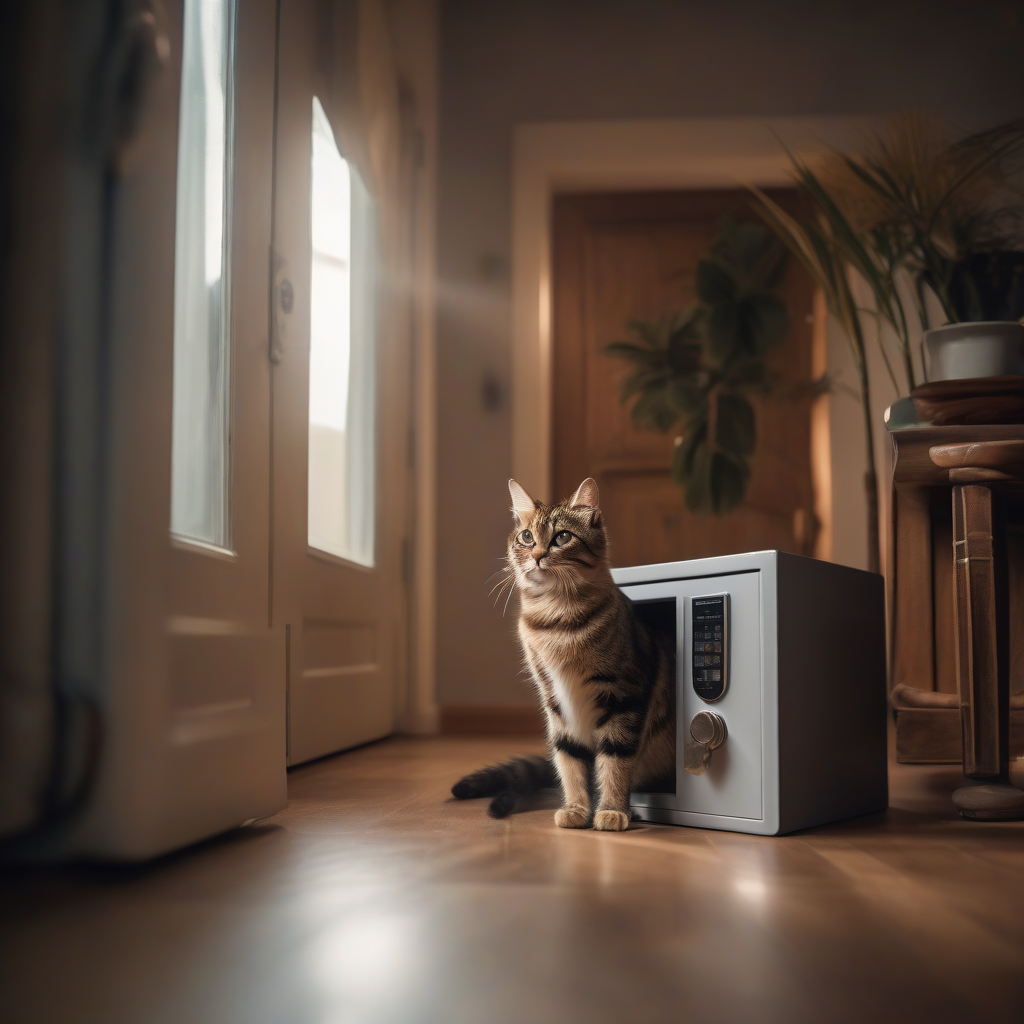
In this article, discover the unknown threats of your cat's hidden escape zones at home and how these areas affect your cat's stress levels. Learn scientific design secrets to eliminate stress.


Discover the types of burns your dog can suffer, the 5 insidious neurophysiological effects these burns create in the brain and body, and lifesaving emergency intervention strategies in this comprehensive guide. We shed light on the dangers behind forgotten household accidents from a scientific perspective.

Discover the neurobiological signals of hidden stress your newly adopted cat experiences during adaptation to a new social environment. This article reveals 5 insidious signs of your cat's silent struggle and scientific strategies for peaceful, long-term harmony.

Your dog's anal sacs, located beneath the tail, can be hidden alarm bells often overlooked but profoundly affecting their quality of life. In this article, you will discover the 5 insidious neurobiological effects of anal sac problems on the brain and the lifesaving care secrets you need to know for your furry friend to live a peaceful life.
Creating a comfortable and secure living space for your feline companion is crucial for their overall health and happiness. However, there's often an overlooked detail: the 'hidden escape zones' your cat creates or discovers for themselves. These zones allow your cat to instinctively feel safe, observable, and in control. If these areas are not managed correctly, they can inadvertently create sources of stress for your cat. In this article, we will delve into the unknown safety threats associated with your cat's 'hidden escape zones' and explore scientific design secrets to eliminate these threats and create a peaceful home for your cat.
Cats, by nature, love vertical spaces because they provide an advantage from both predator and prey perspectives. A place a cat chooses as an 'escape zone' should generally be high, enclosed, and offer a vantage point for observation. If your home lacks sufficient vertical space where your cat can safely climb and survey their surroundings, your cat may feel vulnerable. This can lead to constant anxiety and stress, as discussed in our article Your Cat's 'Hidden Architectural' Stress: 5 Unknown Neurobiological Dangers of Vertical Spaces and Safe Height Secrets!. Providing safe heights allows your cat to feel secure and stay away from potential threats.
Scientific Design Secret: Install climbing trees, shelves, or wall-mounted platforms that offer multiple levels of access for your cat. Ensure each level provides a different vantage point. This allows your cat to create their own 'hidden escape zone' and gives them a sense of control.
When cats feel stressed or uncomfortable, they need a place to retreat to. If your cat's preferred 'escape zones' are not easily accessible or are completely open to view, these areas cease to be a sanctuary. Cats can panic if they feel cornered. As mentioned in Your Cat's 'Hidden Emergency Sensors': Recognize Sudden Poisoning Symptoms and Apply the Lifesaving 5-Minute Rule!, the inability of a cat to find an escape route can delay critical first aid in emergencies.
Scientific Design Secret: Ensure that your cat's retreat areas have multiple entry and exit points. It is preferable for these areas to be located in quiet, calm corners away from high-traffic areas of the house. Spots like the tops of tall cabinets or the inside of a sturdy box are good options.
Cats feel secure by marking their territory with their scent. Areas where their own pheromones are concentrated signify 'safe zones' for them. If your cat's preferred 'escape zones' are frequently cleaned or treated excessively with chemicals like perfumes or air fresheners, your cat may no longer identify these areas as their own. This can lead your cat to constantly seek new and safe scents, causing stress. As highlighted in Your Cat's 'Hidden Scent Mazes': 5 Neurobiological Effects of Invisible Pheromone Signals in the Home Environment and Scientific Design Secrets to Trigger Calmness!, the right scent signals are vital for a cat's well-being.
Scientific Design Secret: Provide furniture or surfaces near your cat's preferred 'escape zones' where your cat can deposit their own pheromones. Avoid excessive cleaning and use natural, cat-friendly cleaners instead of chemical products. Scratching posts where your cat can rub against also help them continue scent marking.
Cats prefer to feel completely safe and hidden, especially when sleeping or resting. Sleeping in a completely open area poses a risk for them. 'Hidden escape zones' should ideally have a structure where the cat cannot see everything around them but can still observe the outside world partially. If the areas where your cat can retreat are entirely exposed and constantly visible, this can create a state of constant vigilance and reduce sleep quality.
Scientific Design Secret: Ensure that at least a portion of your cat's 'escape zones' are enclosed or partially enclosed. Options like covered beds, enclosed boxes, or areas behind thick curtains can be provided. This allows your cat to utilize their 'invisibility' capability.
While 'escape zones' are expected to be calm and peaceful, sometimes these areas can be surrounded by overstimulation. For example, a frequently running refrigerator or a loud television right next to an area your cat often passes through can disturb even their retreat space. Just as cats can be sensitive to vibrations, as discussed in Your Bird's Secret 'Vibration Mazes': 5 Neurobiological Effects of Micro-Vibrations in the Cage Substrate and the Secret to a Peaceful Home!, cats can also be bothered by constant environmental noise and vibrations. Such areas become a source of stress that the cat wants to escape from but cannot.
Scientific Design Secret: Place your cat's resting and retreat areas in the quietest and most peaceful corners of your home. Choose locations that are not exposed to sudden noises, excessive light, or heavy human traffic. If necessary, consider using soundproofing materials.
In conclusion, understanding how your cat perceives their 'hidden escape zones' at home is one of the most important steps to take for their well-being. With the right design strategies, you can optimize these areas for your cat's maximum safety and minimum stress levels, offering them a truly peaceful home. Remember, seeing your cat's living space through their eyes is the key to strengthening your bond with them.
