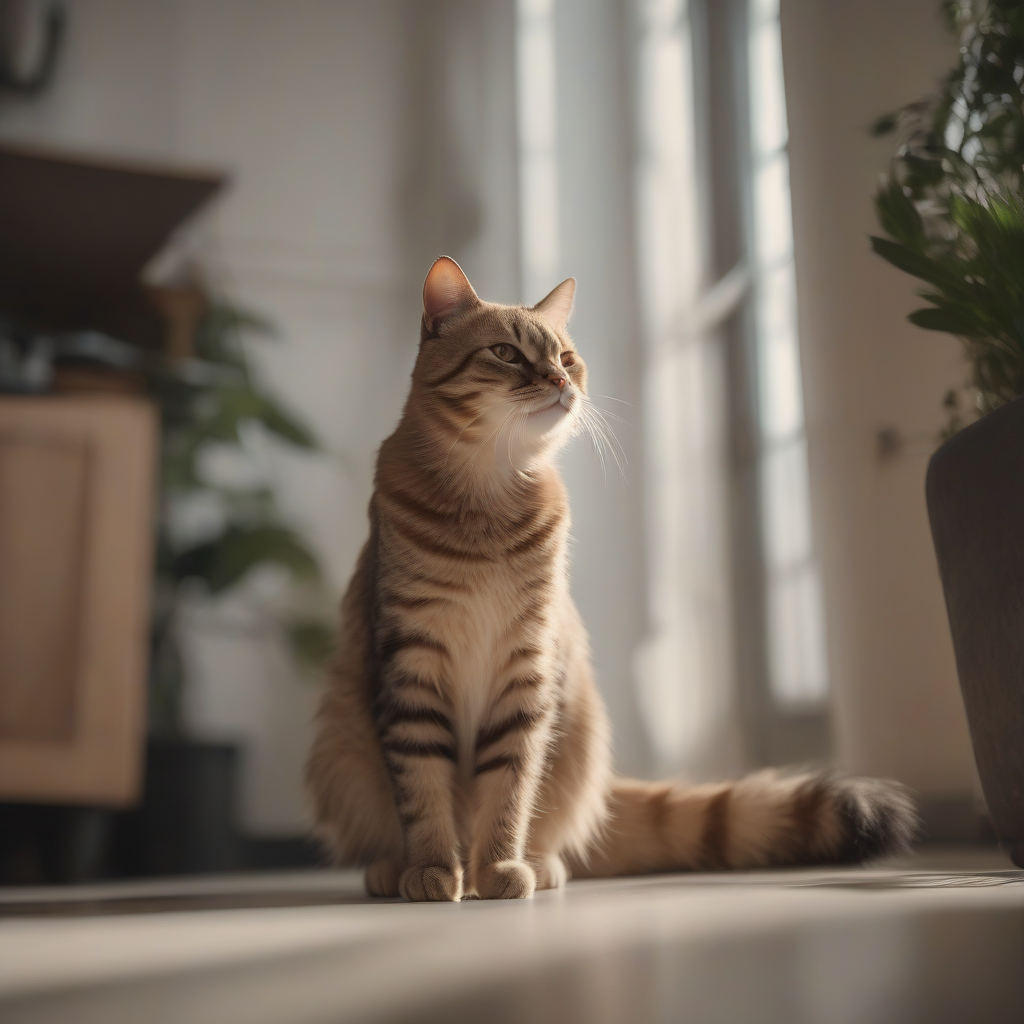
In this article, explore your cat's hidden scent mazes in the home environment, the neurobiological effects of pheromone signals, and scientific design secrets for a calming living space.


Discover the types of burns your dog can suffer, the 5 insidious neurophysiological effects these burns create in the brain and body, and lifesaving emergency intervention strategies in this comprehensive guide. We shed light on the dangers behind forgotten household accidents from a scientific perspective.

Discover the neurobiological signals of hidden stress your newly adopted cat experiences during adaptation to a new social environment. This article reveals 5 insidious signs of your cat's silent struggle and scientific strategies for peaceful, long-term harmony.

Your dog's anal sacs, located beneath the tail, can be hidden alarm bells often overlooked but profoundly affecting their quality of life. In this article, you will discover the 5 insidious neurobiological effects of anal sac problems on the brain and the lifesaving care secrets you need to know for your furry friend to live a peaceful life.
Our feline companions experience the world very differently from us. In their world, scent is not just a sensory input but a complex communication channel, an information network, and even an emotion regulator. Their living spaces are not just physical shelters but sensory maps. One of the most crucial elements of this map is the invisible scent signals that profoundly impact a cat's quality of life. Pheromones, in particular, are hidden communication tools that shape cats' social interactions, sense of security, and overall well-being. In this article, we will delve deep into these 'hidden scent mazes' within your cat's living environment and how you can create a calmer, happier home through scientific design adjustments.
Pheromones are chemical signals released by individuals of the same species that trigger specific physiological or behavioral responses. Cats secrete pheromones from glands on their faces, paws, at the base of their tails, and in their urine, marking both themselves and their surroundings. These 'scent marks' are essentially identity cards, messages, and safety symbols for cats. For example, facial pheromones (left through face rubbing) mark areas where a cat feels secure, creating a general sense of relaxation in those zones. Those secreted from the base of the tail play a role, particularly in social interactions.
Facial pheromones are among the most frequently used by cats and have the most pronounced neurobiological effect in their living environments. When your cat rubs its face on furniture, wall corners, or your limbs, it is actually marking that area as 'mine' and creating its own 'safe zone.' The presence of these pheromones reduces stress and anxiety levels in cats, giving them a sense of familiarity and belonging. Frequent pheromone marking of specific spots in the house by your cat indicates that it feels secure in that area. Insufficient pheromone marking can lead to a cat feeling restless and insecure.
Cats also secrete pheromones through the sweat glands in their paws. These pheromones are released onto surfaces, especially during the act of scratching. This behavior is not just about claiming territory but also about reinforcing that the area is safe for them. Scratching is both a physical need for cats and a way to leave a 'scent note.' The absence of adequate and appropriate scratching surfaces can prevent this natural behavior, leading to stress buildup.
Marking with urine spraying or feces is how cats convey more complex social messages. These pheromones can indicate competition, mating searches, or warnings to other cats. In a home environment, such behaviors are often signs of stress or insecurity. If your cat engages in such marking indoors, it might be perceiving a threat or inadequacy in its living space. This may require further investigation and sometimes professional intervention.
Considering the role of pheromones when designing your cat's living space is critical for its physical and mental health. Here are scientific design strategies to turn the scent mazes in your cat's world to your advantage:
Currently, synthetic pheromone products are available that mimic the pheromones naturally secreted by cats. These products can be used in spray or diffuser forms. Using these products, especially before or during stressful situations (moving to a new home, changes in the household, the arrival of a new pet), can help your cat feel more secure and calm. This can also be effective in reducing problem behaviors discussed in the article Your Cat's Secret 'Unwanted Behavior Shield': 5 Neurocognitive Secrets to Rewiring Problem Behaviors.
Cats feel more secure in high places. This is partly an advantage that allows pheromones to disperse better. Creating shelves, cat trees, and high platforms for your cat to climb and rest satisfies its natural instincts and offers it the opportunity to create its own 'safe spaces.' As detailed in the article Your Cat's Secret 'High Place Decryption': 5 Hidden Neurobiological Dangers of Vertical Spaces and Safe Height Secrets!, this improves your cat's quality of life. These multi-level areas also fulfill your cat's need for exploration and observation.
Adding pheromone-rich objects to the living space makes your cat feel more at ease. For example, old blankets or toys your cat has previously rubbed its face on offer familiar and safe scents. However, it's important not to overdo this richness. Some scents can be disturbing to cats. For instance, strong perfumes or certain cleaning agents can negatively affect a cat's sense of smell and cause stress. Balanced scents in the home are essential for your cat's well-being.
Placing scratching posts or panels in areas where your cat spends more time, prefers, or wishes to mark, rather than just in 'convenient' spots, supports pheromone release. Strategic locations like doorways, furniture corners, or window sills help your cat create its own 'scent map.' This also harmonizes with other forms of communication mentioned in articles like Your Cat's 'Secret Communication Codes': 5 Neurocognitive Signals in Body Language and the Art of Mastery.
When cleaning areas marked by your cat's pheromones, avoid excessive cleaning. Aggressive cleaning products can eliminate important scent marks left by your cat, making it feel insecure. If cleaning is necessary, using mild, natural cleaning agents and not completely removing cherished, pheromone-marked items is a better approach. This balance is vital for your cat's comfort.
The 'hidden scent mazes' in your cat's living space are one of the cornerstones of its emotional and behavioral health. Understanding the power of pheromones and organizing the living environment accordingly will ensure your feline friend feels happier, calmer, and more secure. Remember, your cat's world is not just what we see; the invisible yet powerful world of scents and pheromones profoundly affects its well-being. With these scientific strategies, you can create not just a home for your cat, but a sanctuary of sensory peace.
