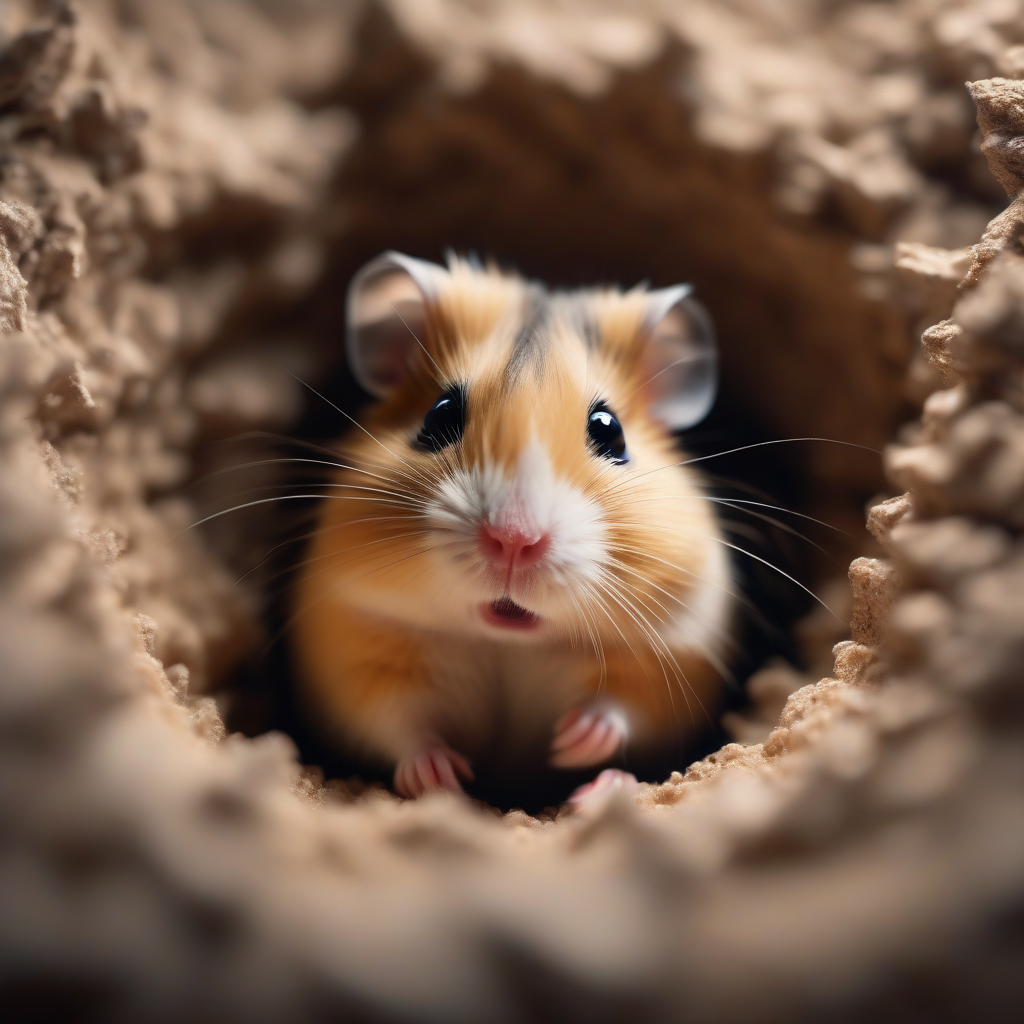
Discover how your hamster perceives the world through unheard sounds! In this article, you'll find 5 critical neurocognitive secrets of how ultrasonic sounds affect their behavior, communication, and stress levels. Enhance your pet's well-being with scientific insights into their secret sensory universe.


Discover the types of burns your dog can suffer, the 5 insidious neurophysiological effects these burns create in the brain and body, and lifesaving emergency intervention strategies in this comprehensive guide. We shed light on the dangers behind forgotten household accidents from a scientific perspective.

Discover the neurobiological signals of hidden stress your newly adopted cat experiences during adaptation to a new social environment. This article reveals 5 insidious signs of your cat's silent struggle and scientific strategies for peaceful, long-term harmony.

Your dog's anal sacs, located beneath the tail, can be hidden alarm bells often overlooked but profoundly affecting their quality of life. In this article, you will discover the 5 insidious neurobiological effects of anal sac problems on the brain and the lifesaving care secrets you need to know for your furry friend to live a peaceful life.
Our tiny hamster friends experience the world in a way vastly different from our own. Their sense of hearing, in particular, possesses an extraordinary sensitivity to frequencies beyond human perception—within the ultrasonic range. This secret sensory universe is at the heart of neurocognitive processes that profoundly influence your hamster's behavior, social interactions, and even stress levels. This 'unheard symphony,' often unnoticed by us, directly shapes their perception of safety, communication, and well-being in their world. As veterinary content strategists, we unlock the doors to your hamster's 'Hidden Ultrasonic Universe' in this article, deciphering 5 critical neurocognitive secrets to understanding their psychology and behavior.
Hamsters largely rely on ultrasonic sounds for intraspecies communication. These are high-pitched frequencies (typically above 20 kHz) that are inaudible to the human ear. Young hamsters emit ultrasonic calls to signal hunger or danger to their mothers, while adults use these frequencies to assert territorial claims, engage in mating rituals, or alert others to potential threats. These vocalizations activate specific neural pathways in hamsters' brains, triggering complex social behaviors such as mutual recognition, fear responses, or attraction. A hamster's solitude or need for social interaction can largely depend on the presence or absence of this unheard communication network. Thus, their behaviors regarding Decoding Your Hamster's 'Hidden Social Language': 5 Neurocognitive Hurdles in New Home Setup and Scientific Harmony Secrets! can also be affected by this ultrasonic communication.
Hamsters utilize ultrasonic sounds as a form of sonar to enhance their environmental perception, especially when navigating in darkness or narrow tunnels. By emitting high-frequency sounds and interpreting the echoes, they can create a detailed 'sound map' of their surroundings. This neurocognitive process sharpens their spatial memory and orientation abilities. Similar to bats, this echo-based perception helps them evade predators, locate their burrows, and pinpoint hidden food sources. A poor or chaotic sound environment can disrupt this instinctive navigation system, leading to behavioral issues such as Your Hamster's Hidden 'Burrow Architecture' Terror: 5 Insidious Neurobiological Triggers of Insufficient Digging Space and Behavioral Welfare Secrets!.
While ultrasonic sounds are inaudible to humans, they can be a significant source of stress for hamsters. Many devices in our homes (televisions, computer monitors, remote controls, and even some fluorescent lights) emit ultrasonic frequencies that are imperceptible to the human ear but highly detectable by hamsters due to their acute sensitivity. This constant, yet to us imperceptible, 'noise' can cause chronic stress in the hamster's nervous system. Physiological responses such as increased cortisol levels, elevated heart rate, and immune system suppression may be observed. Behaviorally, this can manifest as increased hiding, aggression, or apathy. This situation directly impacts your hamster's Your Hamster's Hidden Anxiety Mechanisms: 5 Neurobiological Traps Triggering Stress and Scientific Calming Secrets! and overall well-being.
Hamsters employ their ultrasonic perception to protect their nests and territories from potential threats. Even the slightest vibrations or changes in high-frequency sound waves around their nest can indicate the presence of a nearby predator or an unwelcome visitor. This neurocognitive alarm system instantly triggers escape, hiding, or defensive behaviors. A secure nesting environment is vital for a hamster's psychological well-being; a constant perception of threat leads to chronic stress and anxiety. Therefore, Your Hamster's Secret 'Calm Chemistry': Neurobiological Effects of Nesting Materials and Scientific Secrets of Behavioral Balance! is an important topic that should be emphasized.
Understanding your hamster's ultrasonic universe is crucial for enhancing their well-being. Cage placement, daily activities, and the use of household appliances directly affect a hamster's sensory experience. To minimize ultrasonic stressors, you can:
These conscious approaches will reduce the burden on your hamster's nervous system, create positive effects on their Your Hamster's Hidden 'Calm Buttons': Decode Anxiety Triggers and Discover the Scientific Secrets of Behavioral Balance!, and enable them to live a happier, less stressed life.
Your hamster's 'Hidden Ultrasonic Universe' is a rich sensory landscape, concealed from human eyes, that teaches us much about their psychology and behavior. Understanding the neurocognitive effects of ultrasonic sounds on communication, navigation, stress responses, and nest security allows us to provide more compassionate and informed care for our beloved pets. By deciphering this invisible world, we show respect for their instinctive needs and provide them with the peaceful and secure living space they deserve in our homes. Listening to your hamster's silent signals is, in fact, key to deepening the bond we share with them.
