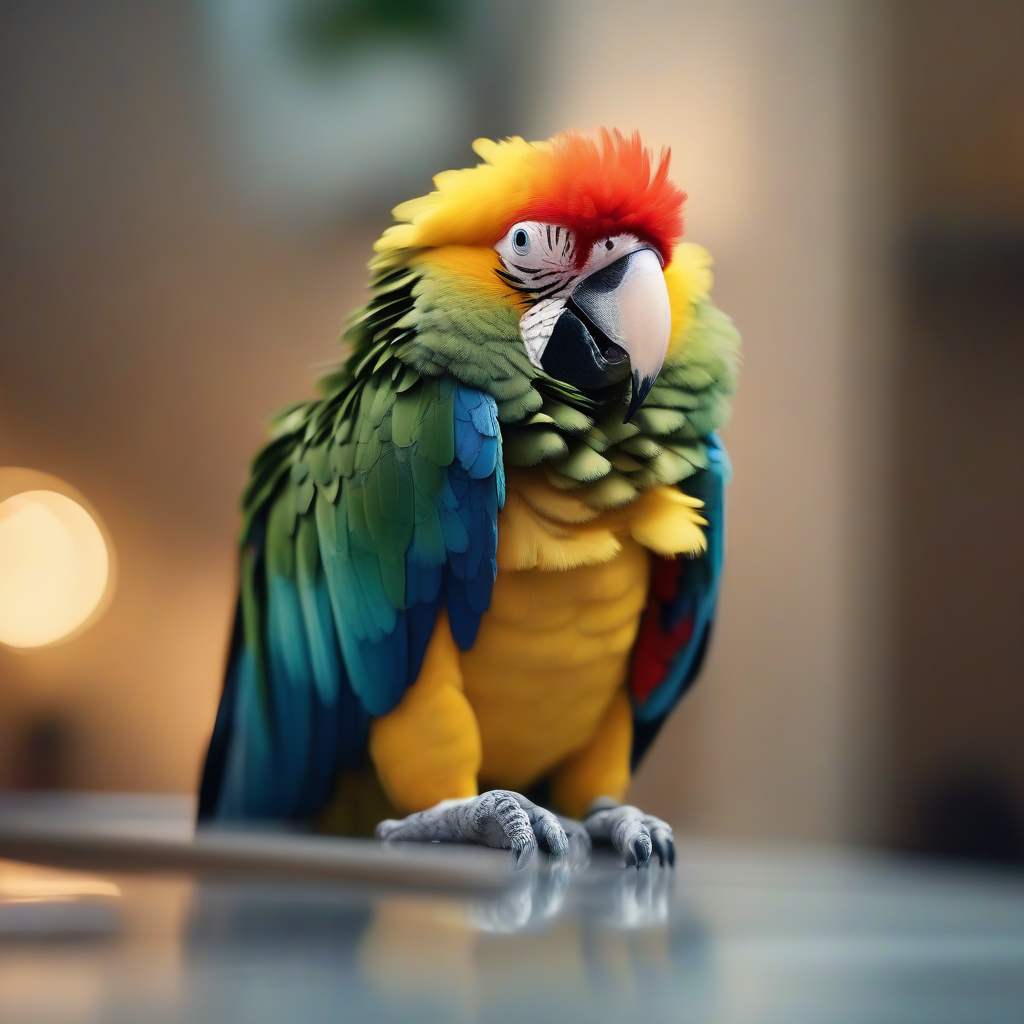
Recognize the subtle signs of organ fatigue in your bird and protect your feathered friend's health by learning the 5 insidious neurophysiological signs that require emergency intervention.


Discover the types of burns your dog can suffer, the 5 insidious neurophysiological effects these burns create in the brain and body, and lifesaving emergency intervention strategies in this comprehensive guide. We shed light on the dangers behind forgotten household accidents from a scientific perspective.

Discover the neurobiological signals of hidden stress your newly adopted cat experiences during adaptation to a new social environment. This article reveals 5 insidious signs of your cat's silent struggle and scientific strategies for peaceful, long-term harmony.

Your dog's anal sacs, located beneath the tail, can be hidden alarm bells often overlooked but profoundly affecting their quality of life. In this article, you will discover the 5 insidious neurobiological effects of anal sac problems on the brain and the lifesaving care secrets you need to know for your furry friend to live a peaceful life.
Birds, despite their small bodies, are delicate creatures with complex physiologies. These little friends often tend to hide their symptoms, making close monitoring of their health crucial for their quality of life. Particularly insidious conditions like 'organ fatigue' can be advanced by the time they are noticed. In this article, we will delve into 5 critical neurophysiological signals your bird might exhibit, indicative of organ fatigue, and learn what to do in these emergency situations.
One of the most apparent signs of ill health for any pet is a sudden and unexplained loss of energy. Birds are no exception. If your normally lively and active friend suddenly becomes more sleepy, less mobile, and uninterested, it's a serious warning sign. This could indicate that organs (especially the liver or kidneys) are unable to perform their normal functions. The body's inability to eliminate toxins or disruptions in energy production can lead to this marked lethargy. If your bird is sleeping more than usual, staying more motionless on its perch, or showing disinterest in its normal activities (like flying or playing), it could be a harbinger of a serious condition.
Breathing difficulties in birds are an extremely dangerous neurophysiological signal. Organ fatigue can affect the respiratory system directly or indirectly. For instance, liver failure can lead to fluid accumulation in the lungs (edema). Kidney failure can disrupt the body's fluid balance, making breathing difficult. If you notice your bird struggling to breathe, such as:
These symptoms require immediate veterinary attention. As mentioned in our article, Your Bird's Hidden 'Silent Suffocation' Alarm: Lifesaving 5-Second Critical Intervention Codes for Sudden Breathlessness!, respiratory problems can be fatal.
Bird droppings provide vital information about their general health. Organ fatigue can affect the digestive system and excretory organs, leading to noticeable changes in stool. Normally, bird droppings consist of a solid, dark green or brown component (fecal matter) and a white component (urate). However, with organ fatigue, the following changes may be observed:
Such changes indicate you should consult your veterinarian immediately.
A bird's feathers are a mirror of its overall health and well-being. Healthy bird feathers appear shiny, smooth, and vibrant. Organ fatigue can prevent the body from utilizing nutrients properly or eliminating toxins effectively, negatively impacting feather structure. Observable signs include:
These signs are often manifestations of an underlying internal problem. While articles like Your Cat's 'Fur Shield' Is Unraveling: 5 Hidden Neurobiological Triggers of Non-Seasonal Hair Loss and Scientific Solutions! offer general information on fur health, the direct link to organ health in birds is critical.
Birds often express discomfort or pain through behavioral changes. Organ fatigue can affect your bird both physically and psychologically.
If you notice any of the above symptoms in your bird, it is vital to seek immediate veterinary care from a veterinarian specializing in avian species. Early diagnosis greatly increases treatment success for serious health issues like organ fatigue. Your veterinarian will identify the source of the problem through a thorough examination, blood tests, and, if necessary, imaging. Treatment will depend on the underlying cause and may include medication, dietary changes, or supportive care. Remember, it's up to you to hear your bird's silent cries and provide timely assistance.
Protecting your bird's health is also closely linked to the suitability of its living environment. Articles like Your Bird's Secret Climate Control: 5 Neurobiological Secrets of Cage Placement and Lighting! and Your Bird's Hidden 'Stress Walls': 5 Unknown Neurobiological Effects of Cage Design and Secrets to a Peaceful Home detail the impact of the living space on general well-being. However, if symptoms are severe, emergency veterinary intervention is the most critical first step, alongside such supportive measures.
