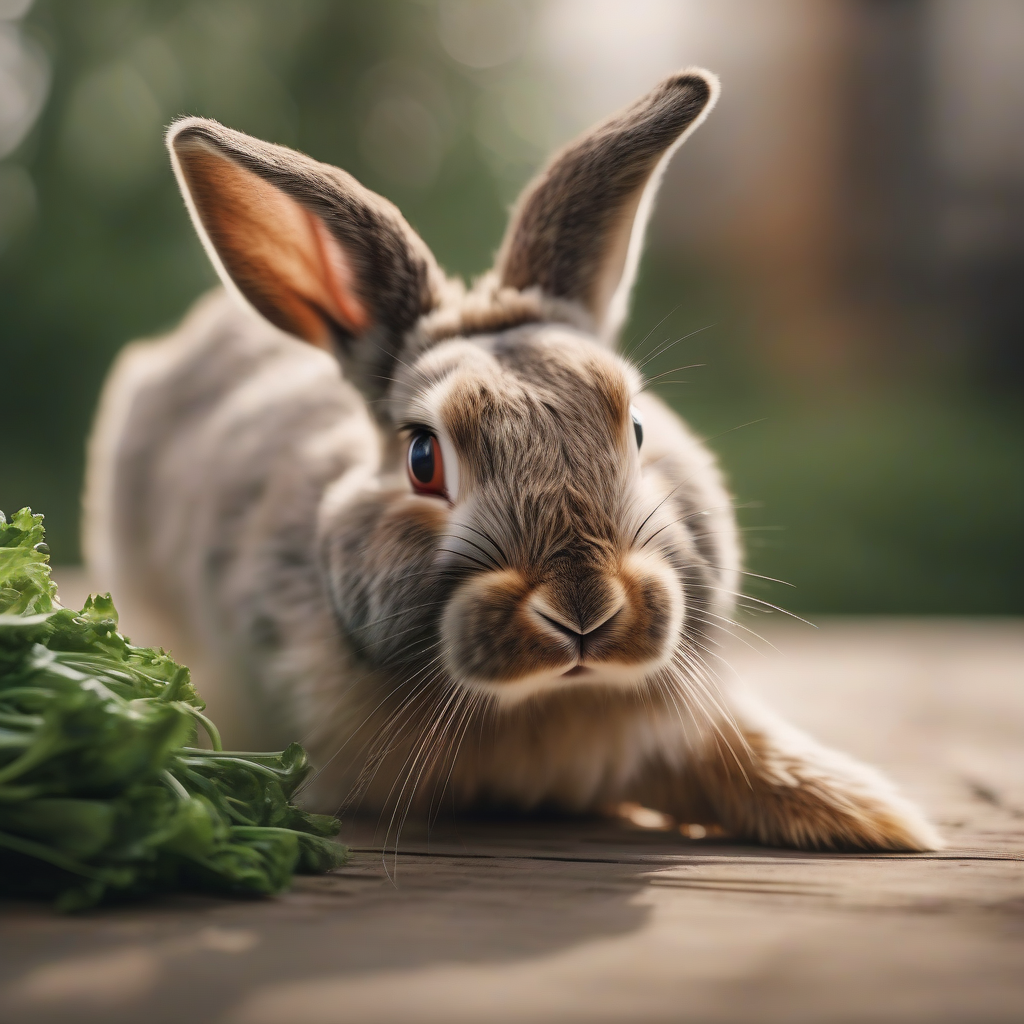
In this article, discover 5 dietary triggers that can secretly threaten your rabbit's digestive health and the scientific nutrition secrets to prevent these dangers.


Discover the types of burns your dog can suffer, the 5 insidious neurophysiological effects these burns create in the brain and body, and lifesaving emergency intervention strategies in this comprehensive guide. We shed light on the dangers behind forgotten household accidents from a scientific perspective.

Discover the neurobiological signals of hidden stress your newly adopted cat experiences during adaptation to a new social environment. This article reveals 5 insidious signs of your cat's silent struggle and scientific strategies for peaceful, long-term harmony.

Your dog's anal sacs, located beneath the tail, can be hidden alarm bells often overlooked but profoundly affecting their quality of life. In this article, you will discover the 5 insidious neurobiological effects of anal sac problems on the brain and the lifesaving care secrets you need to know for your furry friend to live a peaceful life.
Rabbits are known for their sensitive digestive systems, and their dietary choices directly impact their overall health. Often overlooked or misunderstood, 'silent inflammation' can lead to chronic diseases and severe digestive problems in rabbits. In this article, we will delve deep into 5 hidden dietary triggers that can reveal potential dangers in your feeding habits and how to prevent them, acting as a shield for your rabbit's digestive system.
Rabbits are naturally adapted to a high-fiber, low-starch diet. However, many commercial rabbit foods contain excessive amounts of starchy grains like corn, wheat, or barley to reduce costs or increase energy density. This starch leads to the overgrowth of harmful bacteria in the rabbit's cecum, causing unwanted fermentation. This fermentation process can trigger gas production, bloating, and most importantly, inflammatory reactions.
This condition negatively affects the rabbit's overall health and lays the groundwork for more serious digestive issues in the long run. Specifically, high-starch diets disrupt the rabbit's natural feeding cycle, allowing harmful bacteria to replace beneficial ones. This imbalance can manifest as changes in stool, lethargy, and general weakness.
The most effective way to ward off this hidden danger is to opt for completely grain-free and high-fiber pellets or raw feeds. High-quality, unprocessed grasses (like timothy grass) and fresh greens are safer and support digestive health due to their low starch content. If your rabbit's diet includes a grain-based feed, it's crucial to gradually reduce it and transition to more fibrous alternatives. During this transition, adequate water intake is also critical for the digestive system to adapt to the new diet. It is important to be sensitive to this and follow veterinary advice for your rabbit's overall health. For advanced digestive issues, you can review our article Your Rabbit's 'Silent Gut Paralysis': Hidden Neurobiological Triggers of GI Stasis and Lifesaving Scientific Solutions!.
While fruits can be a tasty addition to a rabbit's diet, they must be given with caution due to their high sugar and fructose content. Excessive fruit consumption leads to sudden sugar spikes in the rabbit's digestive system. This again causes harmful bacteria to multiply and creates an acidic environment, triggering inflammatory responses. Especially processed fruit-based treats or high-sugar products like jams are a major danger to rabbits.
To manage this hidden danger, it's best to give fruits only occasionally and in small amounts as treats. In fact, some fruits (like bananas, raisins) are excessively high in sugar and should be completely avoided. Fresh greens and vegetables (like spinach, chard, dill) are safer and more nutritious alternatives. The variety of fresh greens enriches the rabbit's nutrient intake while also supporting digestive health. Avoiding fruit juice-based treats and encouraging fresh vegetables are important steps for your rabbit's overall health. Sensitivity in this regard is critical for the rabbit's long-term well-being.
Ample fiber and adequate water are vital for the proper functioning of a rabbit's digestive system. Poor quality, low-fiber feeds or insufficient water intake slow down bowel movements and cause stool to harden. This prevents nutrient recovery through the rabbit eating its own droppings (cecotrophes), leading to nutritional deficiencies. More importantly, the slowed digestive process allows stool to remain in the intestines for extended periods, creating a breeding ground for harmful bacteria. This situation can trigger the 'silent inflammation' mechanism.
The primary source of your rabbit's diet should always be fresh and high-quality hay. High-fiber hay cleanses the digestive tract, provides nutrients for beneficial bacteria, and regulates bowel movements. Always ensure they have access to clean, fresh water. Check the cleanliness of the water bowl regularly, and if your rabbit isn't drinking enough, you can try different water bowls or encourage water intake by adding a slice of cucumber to the bowl.
For more detailed information on this topic, you can review our article Your Rabbit's Secret Emergency Kit: Lifesaving 5-Second Scientific Intervention Secrets for Sudden Trauma!. The fact that insufficient fiber intake can lead to digestive problems is an important warning for rabbit owners.
Sufficient and balanced mineral and vitamin intake in a rabbit's diet is critical not only for their general health but also for their immune system to remain strong and resistant to inflammatory processes. Imbalances in micronutrients like calcium, phosphorus, and vitamins A, D, and E can impair bone health, affect the nervous system, and lead to cell damage, making the body more susceptible to inflammation.
For example, an incorrect calcium to phosphorus ratio can lead to bone loss and urinary stones. Vitamin A deficiency weakens the skin and mucous membranes, leaving them vulnerable to infections. Therefore, it is important to pay attention not only to dry food but also to the variety of fresh vegetables. Choosing feeds from reliable brands that maintain a species-specific vitamin and mineral balance minimizes this risk. Supplements recommended by your veterinarian can also play an important role in addressing deficiencies.
Some commercial rabbit foods and treats may contain artificial colorings, preservatives, and flavorings to extend shelf life, improve color, or enhance taste. The effects of these chemicals on a rabbit's sensitive metabolism are not fully understood, but they can potentially strain the liver and kidneys, cause allergic reactions, and create a chronic inflammatory load in the body.
To avoid risking your rabbit's health, opt for natural and unprocessed foods as much as possible. Read the ingredient list carefully and avoid products containing artificial colorings, flavorings, or preservatives. Fresh hay, vegetables, and a high-quality rabbit pellet given in controlled amounts are the healthiest and safest options. This natural feeding approach will make a long-term difference for your rabbit's overall health and well-being. Articles like Your Rabbit's 'Hidden Food Locks': 5 Insidious Feed Secrets Jeopardizing Digestive Health and Solutions! can provide you with additional information on this topic.
Your rabbit's digestive health is the cornerstone of its overall well-being. By recognizing the 5 hidden dietary triggers mentioned above and implementing the correct feeding strategies, you can improve your rabbit's quality of life and protect it from the insidious effects of 'silent inflammation'. Remember, the best treatment is proper prevention. Consult your veterinarian to create the most suitable feeding plan for your rabbit.
