
In this article, you can find comprehensive information about the hidden neurobiological mechanisms, insidious triggers, and scientific-based prevention and intervention strategies for life-threatening Gastrointestinal Stasis (GI Stasis) in rabbits.

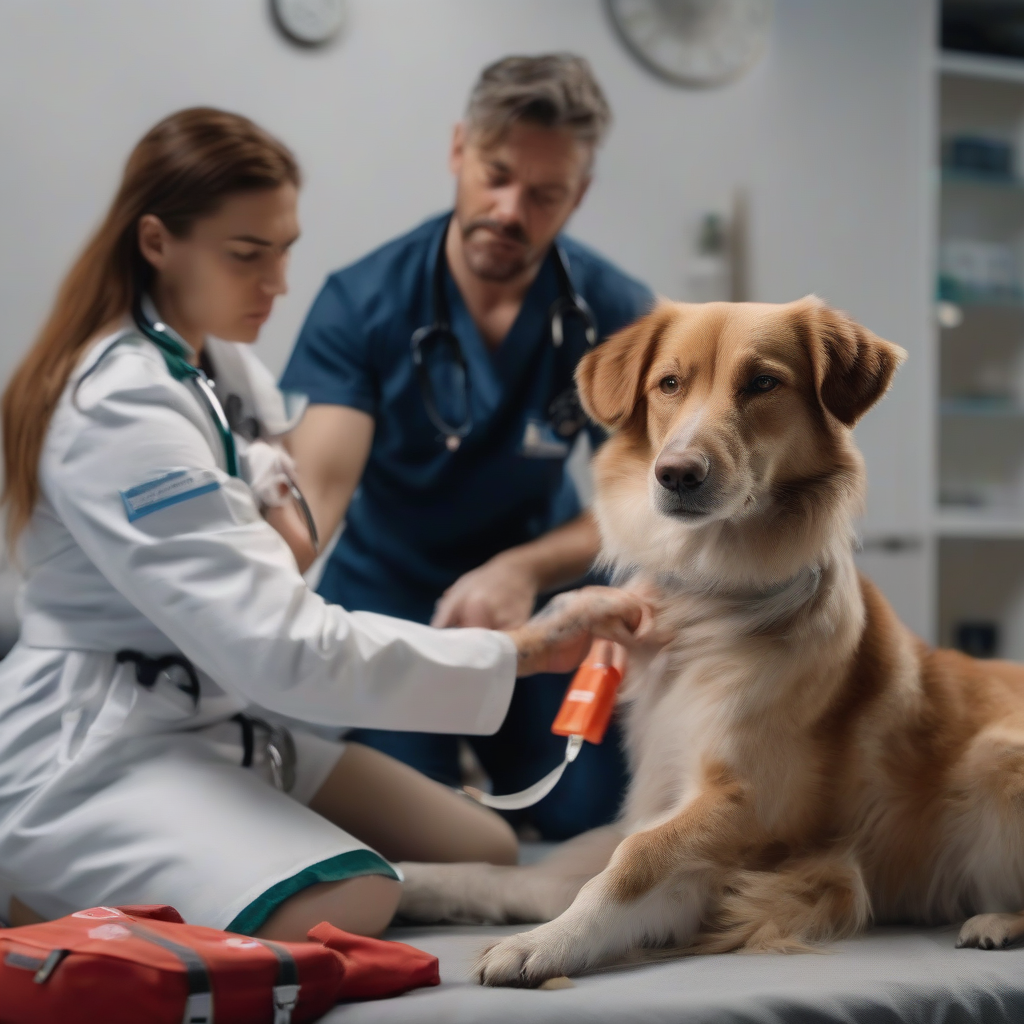
Discover the types of burns your dog can suffer, the 5 insidious neurophysiological effects these burns create in the brain and body, and lifesaving emergency intervention strategies in this comprehensive guide. We shed light on the dangers behind forgotten household accidents from a scientific perspective.

Discover the neurobiological signals of hidden stress your newly adopted cat experiences during adaptation to a new social environment. This article reveals 5 insidious signs of your cat's silent struggle and scientific strategies for peaceful, long-term harmony.

Your dog's anal sacs, located beneath the tail, can be hidden alarm bells often overlooked but profoundly affecting their quality of life. In this article, you will discover the 5 insidious neurobiological effects of anal sac problems on the brain and the lifesaving care secrets you need to know for your furry friend to live a peaceful life.
Rabbits, by nature, possess an extremely sensitive digestive system, and this sensitivity can lead to a potentially fatal condition known as "Gastrointestinal Stasis" (GI Stasis). GI Stasis is a condition where a rabbit's gut movements slow down or stop entirely, often progressing silently, making it difficult for owners to notice. However, this condition is more than just a digestive problem; it is closely linked to insidious triggers arising from the complex neurobiological connection between the brain and the gut. As of April 2026, scientific advancements in this field highlight the necessity of combating GI Stasis not only through diet but also by addressing hidden neurobiological factors that affect a rabbit's overall well-being.
GI Stasis is a condition where the movement of food through a rabbit's gut dramatically slows down or completely stops. This leads to reduced or absent fecal production, loss of appetite, and severe pain. Food accumulating in the intestines begins to ferment, increasing gas production and potentially releasing fatal toxins. A rabbit's digestive system is designed for continuous movement; when this motility ceases, all bodily functions are negatively impacted. If not intervened early, GI Stasis can lead to liver failure and death. Therefore, it is crucial for rabbit owners to deeply understand the factors and symptoms that trigger this condition.
A rabbit's digestive system is much more than a simple pipeline; it is intricately controlled by an independent "second brain" known as the enteric nervous system (ENS). The ENS constantly communicates with the brain, forming a pathway called the "gut-brain axis" via the vagus nerve. Factors such as stress, fear, pain, or environmental changes affect the central nervous system (CNS), activating the sympathetic nervous system. Sympathetic activation reduces blood flow to the digestive organs and slows down, or even halts, gut movements. This neurobiological response is part of the "fight or flight" mechanism inherent in rabbits as prey animals, aimed at conserving energy when digestion is not an immediate priority. However, in modern pet rabbits, this mechanism can lead to life-threatening conditions like GI Stasis.
GI Stasis often arises from a combination of multiple factors rather than a single cause. Many of these factors are underpinned by the rabbit's neurobiological and neurophysiological responses.
Rabbits are masters at hiding pain; this is an evolutionary adaptation stemming from their nature as prey animals. However, chronic pain, whether from dental issues, arthritis, or a hidden injury, sends a continuous stress signal to the central nervous system. These persistent pain signals can suppress the neuronal pathways that control gut motility, slowing down digestive movements. As highlighted in the article Your Rabbit's 'Secret Jaw Whispers': 5 Insidious Behavioral Clues Beyond Dental Health and Secrets to Calmness!, overlooked dental pain can be a significant trigger for GI Stasis. Similarly, physical traumas like those discussed in Your Rabbit's 'Silent Fracture' Pain: 5 Hidden Neurocognitive Signs of Sudden Mobility Limitation and Lifesaving Emergency Intervention Protocols! can lead to inactivity, thereby increasing the risk of GI Stasis.
Rabbits can overreact to even the slightest changes in their environment. Loud noises, the arrival of a new pet, a change in cage location, or loneliness can cause severe stress in rabbits. This stress activates the hypothalamic-pituitary-adrenal (HPA) axis, leading to the release of stress hormones like cortisol. These hormones stimulate the sympathetic division of the autonomic nervous system, which directly suppresses gut motility. As mentioned in Your Rabbit's 'Hidden Scent Map': 5 Neurobiological Effects of Scent Signals in Their Living Space and Scientific Strategies to Maximize Welfare!, even the scent of a perceived threat can neurobiologically slow down the gut. The article Your Rabbit's 'Secret Mood Compass': 5 Insidious Neurocognitive Locks Behind Sudden Behavioral Changes! also elucidates the neurocognitive dynamics underlying these behavioral changes.
A high-fiber diet is fundamental to rabbit health. Insufficient fiber intake slows down the movement of food through the intestines and disrupts the balance of a healthy gut microbiome. An imbalance in the microbiome (dysbiosis) can affect the production of neuroactive compounds like short-chain fatty acids, thereby impairing the function of the enteric nervous system. This, in turn, leads to reduced peristalsis (intestinal contractions). As detailed in Your Rabbit's 'Secret Fiber Code': 5 Insidious Neurometabolic Effects of Insufficient Chewing Fiber and Scientific Solutions for Optimal Digestion-Dental Health!, the importance of fiber deeply affects not just digestive mechanics but also gut-brain communication.
Adequate water intake is critical for keeping intestinal contents soft and moving easily. Dehydration leads to hardening of intestinal contents, making movement difficult. From a neurobiological perspective, electrolyte imbalances in the body (such as sodium, potassium, calcium) disrupt the normal electrical activity of nerve cells and muscle cells. This condition severely weakens the neural transmission that drives intestinal muscle contractions, thereby affecting the gut's ability to move.
Regular exercise and movement naturally promote gut motility. When rabbits remain inactive, it reduces the tone of their intestinal muscles and consequently slows peristalsis. This inactivity can be due to a primary source of pain (e.g., an injury) or environmental restrictions. Prolonged inactivity can impair the function of neuromuscular junctions in the intestinal wall, reducing the effectiveness of signals sent from nerves to muscles and contributing to gut paralysis.
GI Stasis is an emergency and requires immediate veterinary intervention if suspected. However, owners can also play both preventive and supportive roles with scientifically based approaches.
If you notice symptoms in your rabbit such as loss of appetite, decreased or absent fecal production, lethargy, a pain posture (chin resting on the ground, hunched back), abdominal bloating, or grinding teeth, contact your veterinarian immediately. These silent signals can be early warnings of neurobiological dysfunctions in the intestinal system.
Veterinarians treat GI Stasis with pain relievers (targeting neural pain pathways to support motility), prokinetic drugs to increase gut movements, and subcutaneous or intravenous fluid therapy to correct dehydration. If an underlying cause (dental problem, infection) is identified, treatment for that condition will also be initiated.
In addition to veterinary treatment, scientific home support can include:
The best way to prevent GI Stasis is to maximize your rabbit's overall health and well-being:
Combating your rabbit's 'Silent Gut Paralysis' requires deep scientific understanding and proactive care. Understanding the neurobiological triggers will help you focus on the root causes rather than just treating symptoms, enabling your rabbit to live a longer, healthier, and happier life.
