
In this article, you will discover the neurobiological basis of your dog's sense of justice and how their expectation of fair treatment impacts their behavioral balance. Uncover scientific secrets to building a deeper bond and ensuring a peaceful life with your companion.

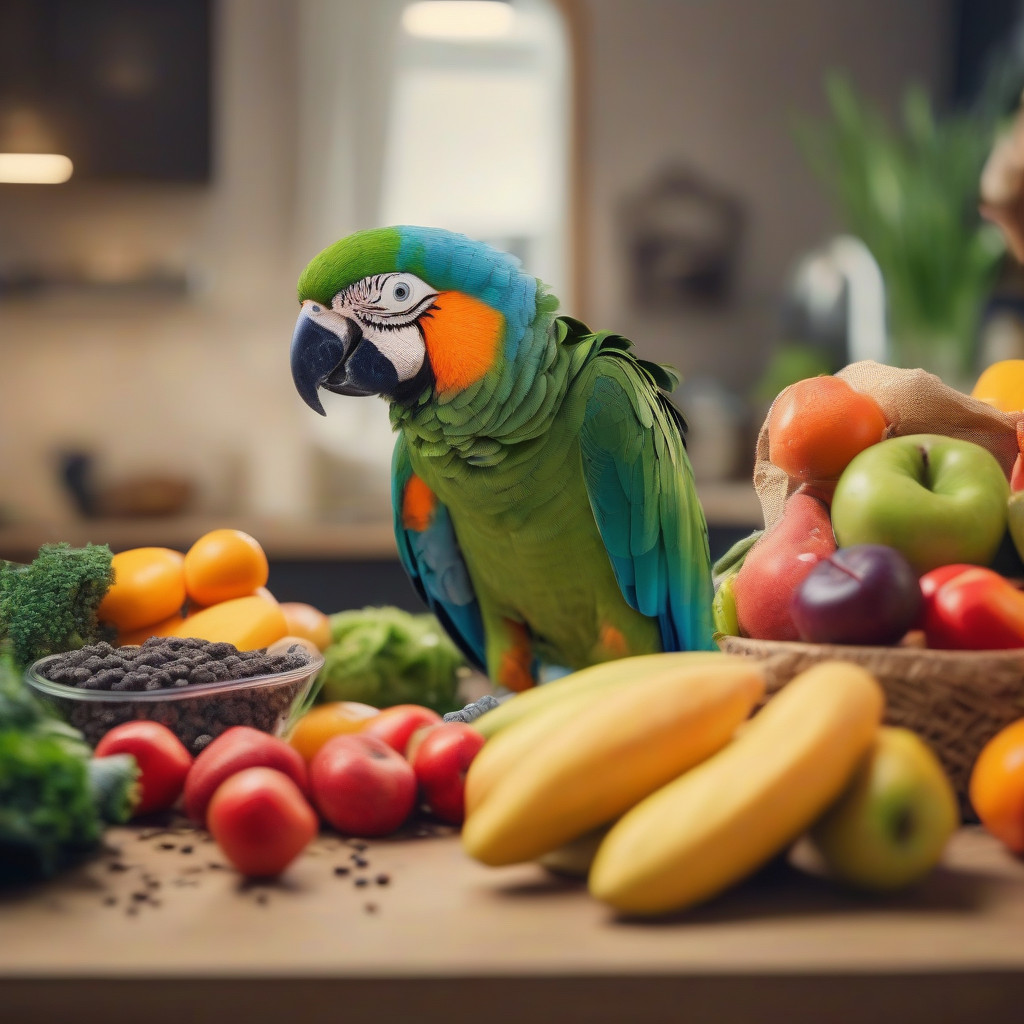
In this article, you will find comprehensive information about the insidious neurobiological effects of artificial colorings, preservatives, and flavors found in commercial bird feeds on your bird's brain health and mental vitality. We explore scientific nutritional secrets to combat these hidden dangers, shedding light on a wide spectrum of effects from behavioral changes to cognitive decline.

In this article, you can discover the scientific secrets to understanding your cat's undesirable habits, deciphering the neurocognitive mechanisms in their brain, and establishing lasting new routines.

Discover the types of burns your dog can suffer, the 5 insidious neurophysiological effects these burns create in the brain and body, and lifesaving emergency intervention strategies in this comprehensive guide. We shed light on the dangers behind forgotten household accidents from a scientific perspective.
We know that our dogs are not just creatures of instinct, but possess complex emotional and cognitive processes. But what about the concept of 'justice'? Do dogs truly expect fair treatment? And what happens in their brains when these expectations are not met? As of May 2026, recent advancements in neuroscience reveal that dogs are surprisingly sensitive to the principle of 'fairness' in social interactions. In this article, we will delve into the depths of your dog's perception of justice, shedding light on the neurobiological foundations of their expectation for fair treatment and its critical impact on their behavioral balance, all supported by scientific data.
Imagine a dog park where the same dog is always allowed to retrieve the ball, or where one dog gets more food than another during mealtime. Do dogs react to such situations? Yes! Research shows that dogs exhibit sensitivity to inequality, especially when valuable resources like food or attention are involved. This sensitivity is more than just learned behavior; it's linked to fundamental reward and social interaction systems in their brains. When faced with an unfair situation, dogs may show decreased motivation, increased stress levels, and even a weakening of their bond with their owners.
Understanding the underlying neurobiological mechanisms of this perception will allow you to establish a healthier and more peaceful foundation for your relationship with your dog. Here are 5 neurobiological secrets related to dogs' expectation of fair treatment and its impact on their behavioral balance:
In dogs' brains, the dopamine system is closely linked to reward expectation and motivation. When faced with an unfair situation, for instance, when two dogs perform the same task but only one receives a reward, the dopamine release in the unrewarded dog is affected. The failure to receive the expected reward or its unequal distribution leads to disappointment and loss of motivation. This can reduce the dog's interest in similar tasks in the future and negatively impact learning processes. Unfair situations can lead to your dog experiencing Your Dog's 'Instant Decision' Paradox: 5 Hidden Neurocognitive Barriers in Post-Adoption Training and Scientific Solutions!, making them reluctant to obey commands.
Perceived inequality triggers physiological stress responses in dogs. This leads to an increase in cortisol levels, known as the 'stress hormone.' High cortisol levels can contribute to anxiety, restlessness, tension, and even aggressive behaviors. Dogs chronically exposed to unfairness may have persistently high cortisol levels, which can weaken their immune system and lead to various health problems. This situation can cause your dog to exhibit Your Dog's 'Invisible Fatigue' Signals: Neurobiological Effects of Over-Exercise and Stress, and even experience Your Dog's 'Hidden Signal Cartography': 5 Invisible Neurobiological Locks of Burnout Syndrome and Scientific Solutions.
Oxytocin, also known as the 'love hormone,' is a neuropeptide associated with social bonding, trust, and empathy. Oxytocin plays a crucial role in the strong bond between dogs and humans. Unfair treatment or continuous perception of inequality can negatively affect oxytocin release in the dog's brain. This can reduce your dog's trust in you, cause them to avoid social interactions, and weaken the human-dog bond. A lack of trust also negatively impacts future training and socialization efforts.
The amygdala is a vital brain center for processing threats and fear. When dogs perceive an unfair situation, especially if it relates to survival resources (food, shelter), amygdala activity can increase. This increase can cause the dog to resort to defense or escape behaviors. For example, behaviors such as growling at other dogs, resource guarding, or retreating from the environment may be observed. A constantly triggered amygdala can make the dog more anxious and reactive, potentially triggering conditions like Your Dog's 'Hidden Fear Tunnels': Why Do Some Dogs Panic for No Reason? 5 Neurobiological Root Causes and Solutions!.
The prefrontal cortex is responsible for higher-level cognitive functions such as decision-making, problem-solving, and social cognition. Dogs learn the consequences of specific actions and whether social interactions are fair based on past experiences. Unfair situations can affect this learned information, leading to a syndrome of 'learned helplessness.' This syndrome can cause the dog to stop trying, become reluctant, and show a decrease in their ability to adapt to new situations. The dog may begin to believe that expecting justice or changing something is futile, disrupting their overall behavioral balance.
Here are some important steps you can take to support your dog's sense of justice and behavioral balance:
Remember that your dog's sense of justice is a fundamental part of their bond with you and their overall quality of life. Understanding these neurobiological secrets and integrating them into your daily interactions will help you build a deeper, mutually respectful relationship with your companion. This way, you can maintain your dog's behavioral balance and ensure they lead a happy, peaceful life.
