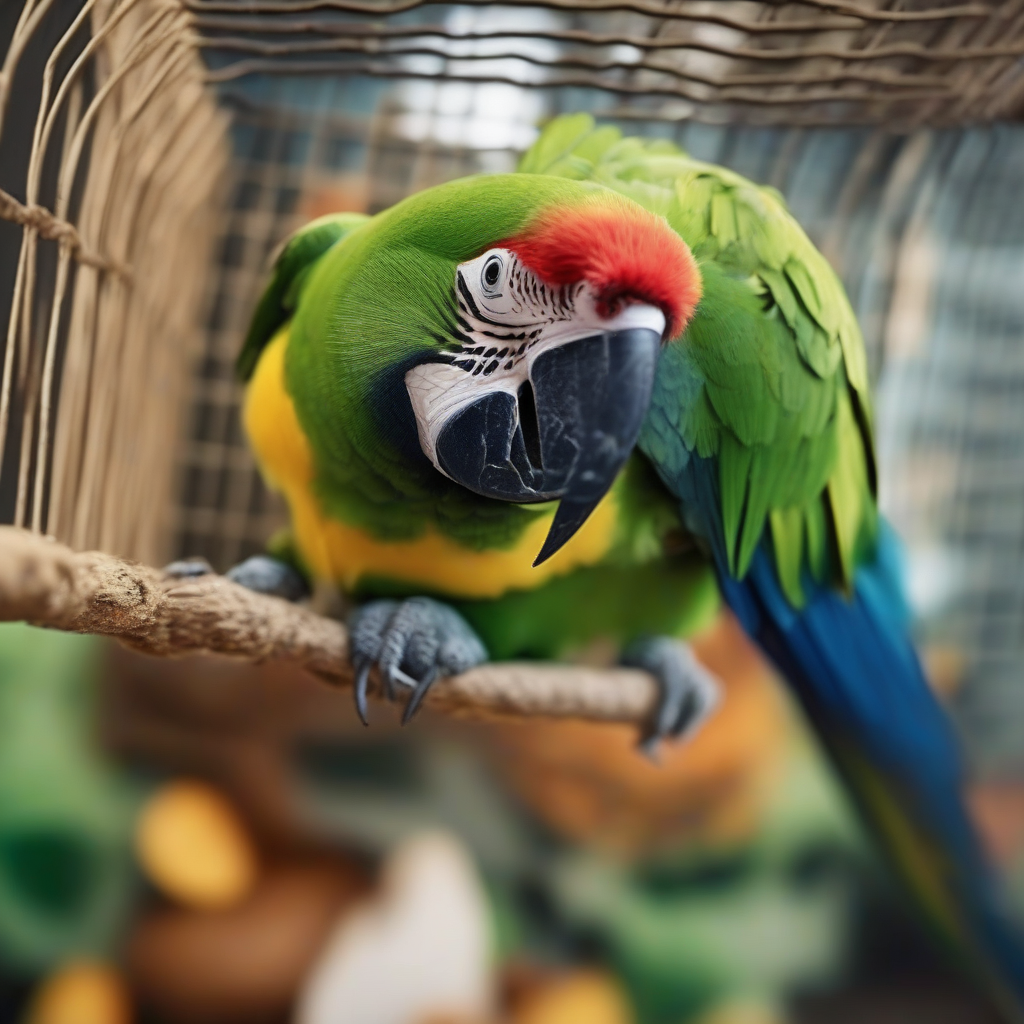
In this article, you will discover how to transform your bird's feeding routine from merely filling its belly into a mental feast that activates its 'secret hunter brain,' enhancing its mental well-being with scientific insights.

The feeding of our pet birds is often perceived as simply filling the food bowl. However, far more than your bird's physiological health is hidden within its feeding routine. In their natural habitats, birds spend a significant portion of their hours searching for food, not only satisfying their hunger but also being mentally stimulated, developing problem-solving skills, and relieving stress. The neglect of this fundamental instinct in modern pet bird life can lead to a range of behavioral and neurobiological problems. So, is it possible to transform your bird's feeding routine from a simple meal process into a mental feast that activates its 'secret hunter brain'? In this article, we will scientifically examine how to enhance your bird's mental well-being through nutrition.
Many bird species have developed complex foraging strategies in the wild. Finding, separating, cracking shells, or extracting food from different layers presents a continuous cognitive challenge. These activities activate reward centers in birds' brains and nourish natural learning cycles. In a home environment, food easily obtained from a standard food bowl does not meet this basic cognitive need. As a result, problems such as boredom, feather plucking, destructive behaviors, and even depression can arise. For more information on the neurobiological effects of your bird's cage environment and stress-reducing design, you can find it here: Is Your Bird's 'Secret Stress Filter' Crashing? 5 Unknown Neurobiological Effects of Cage Environment and Scientific Design Secrets to Zero Stress!.
Birds' brains are programmed to explore their environment and find resources. This instinct is not only a survival mechanism but also a part of their cognitive development. Constant exposure to new stimuli during food search strengthens synaptic connections and increases neuronal plasticity. This is critical for your bird's overall learning ability and adaptation to its environment.
You can transform your bird's feeding routine into a powerful tool that supports its mental and emotional health. Here are 5 scientifically proven neurocognitive key points:
When birds search for food in the wild, they release a neurotransmitter called dopamine in their brains. Dopamine is associated with motivation, reward, and learning. When they are forced to extract food from a puzzle or a hidden nest instead of easily obtaining it, they experience a strong dopamine release along with a sense of accomplishment. This reinforces the seeking behavior and increases your bird's desire to explore and learn more. This cycle helps keep your bird's Secret Attention Filter active.
The prefrontal cortex in birds' brains is responsible for high-level cognitive functions such as complex problem-solving, decision-making, and planning. Food puzzles or hiding food within different materials enable your bird to actively use these areas. Extracting a seed from a toy or turning a lever to get a piece of fruit strengthens the neuronal networks in their brains and increases their mental agility. Regular mental stimulation supports your bird's overall cognitive health.
Offering natural food materials with different textures, smells, and tastes (e.g., branch pieces, dried leaves, shelled nuts) stimulates your bird's sensory systems. These sensory inputs promote neuronal development by increasing the density of synaptic connections in the brain. Especially in young birds, this is a critical part of brain development. Chewing, tearing, and interacting with different materials provide benefits not only physically but also sensorily and neurologically.
Stress is a common problem in pet birds and can lead to undesirable behaviors such as feather plucking and aggression. Foraging is a natural stress-reducing mechanism. The focus and problem-solving during food search trigger the release of serotonin, one of the brain's calming neurotransmitters. Foods rich in tryptophan are important for serotonin synthesis, which can improve overall mood and behavioral well-being. For more detailed information on this topic, you can read our article: Your Bird's Secret 'Internal Chemistry Lab': 5 Insidious Neurological Signs of Vitamin and Mineral Deficiencies and Scientific Solutions!.
There is a complex communication network between birds' gut microbiome and their brains. A healthy gut microbiome is essential for optimal nutrient absorption, which ensures adequate levels of vitamins, minerals, and other nutrients necessary for brain functions. Diverse, fresh, and natural foods offered through foraging support the diversity of the gut flora. Balanced nutrition and a healthy gut also play a key role in preventing critical nutrient deficiencies such as Your Bird's Hidden 'Skeletal Crises': 5 Insidious Neurological Barriers to Calcium Absorption and Lifesaving Scientific Solutions!. Positive effects on this axis directly influence your bird's overall mental health, learning capacity, and even mood.
Enriching your bird's feeding routine to support its mental health is quite easy:
Your bird's nutrition forms the foundation not only of its physical health but also of its mental and emotional well-being. Integrating foraging activities into its daily routine will stimulate its innate 'hunter brain', increasing dopamine release, developing problem-solving skills, and reducing stress. With scientific nutrition strategies, you will not only satisfy your bird's hunger but also provide it with a happier, healthier, and mentally satisfying life. Remember, a happy bird starts with an active brain!
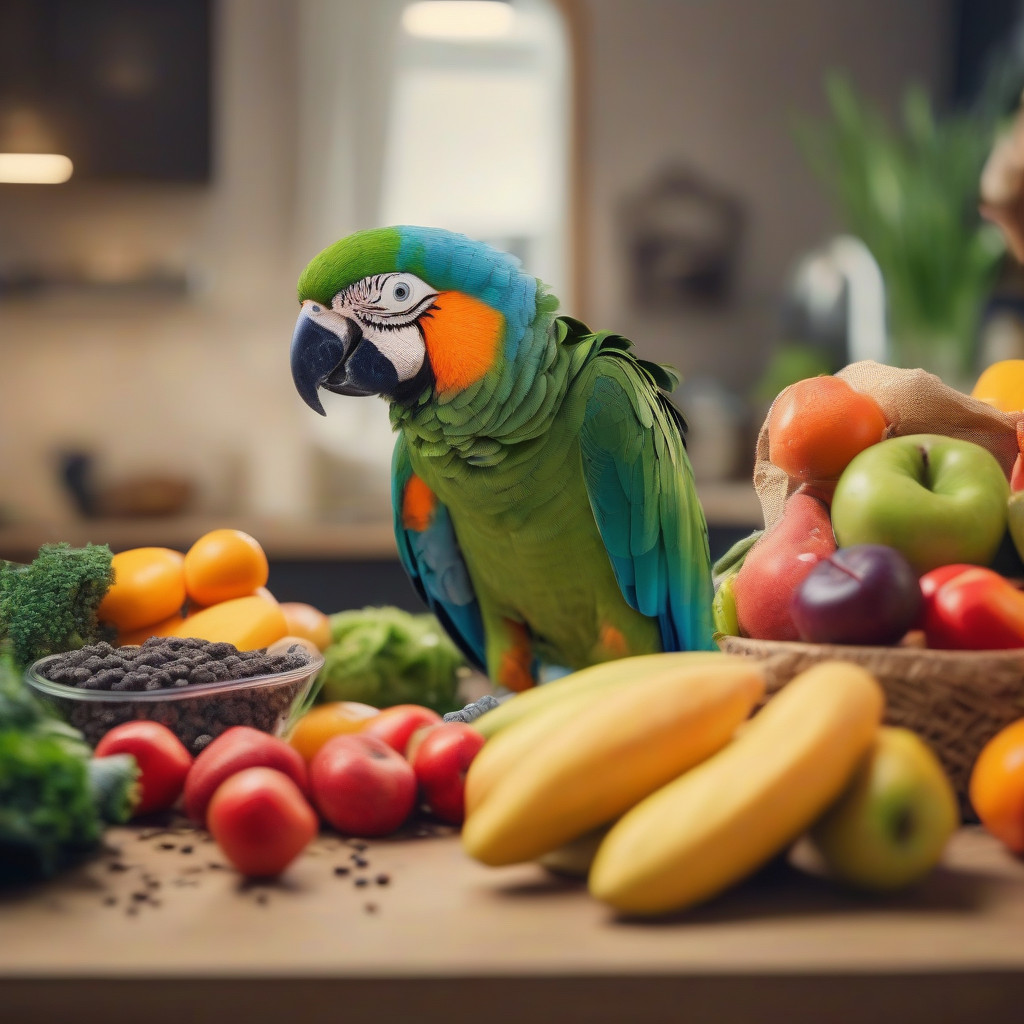
In this article, you will find comprehensive information about the insidious neurobiological effects of artificial colorings, preservatives, and flavors found in commercial bird feeds on your bird's brain health and mental vitality. We explore scientific nutritional secrets to combat these hidden dangers, shedding light on a wide spectrum of effects from behavioral changes to cognitive decline.

In this article, you can discover the scientific secrets to understanding your cat's undesirable habits, deciphering the neurocognitive mechanisms in their brain, and establishing lasting new routines.

Discover the types of burns your dog can suffer, the 5 insidious neurophysiological effects these burns create in the brain and body, and lifesaving emergency intervention strategies in this comprehensive guide. We shed light on the dangers behind forgotten household accidents from a scientific perspective.
