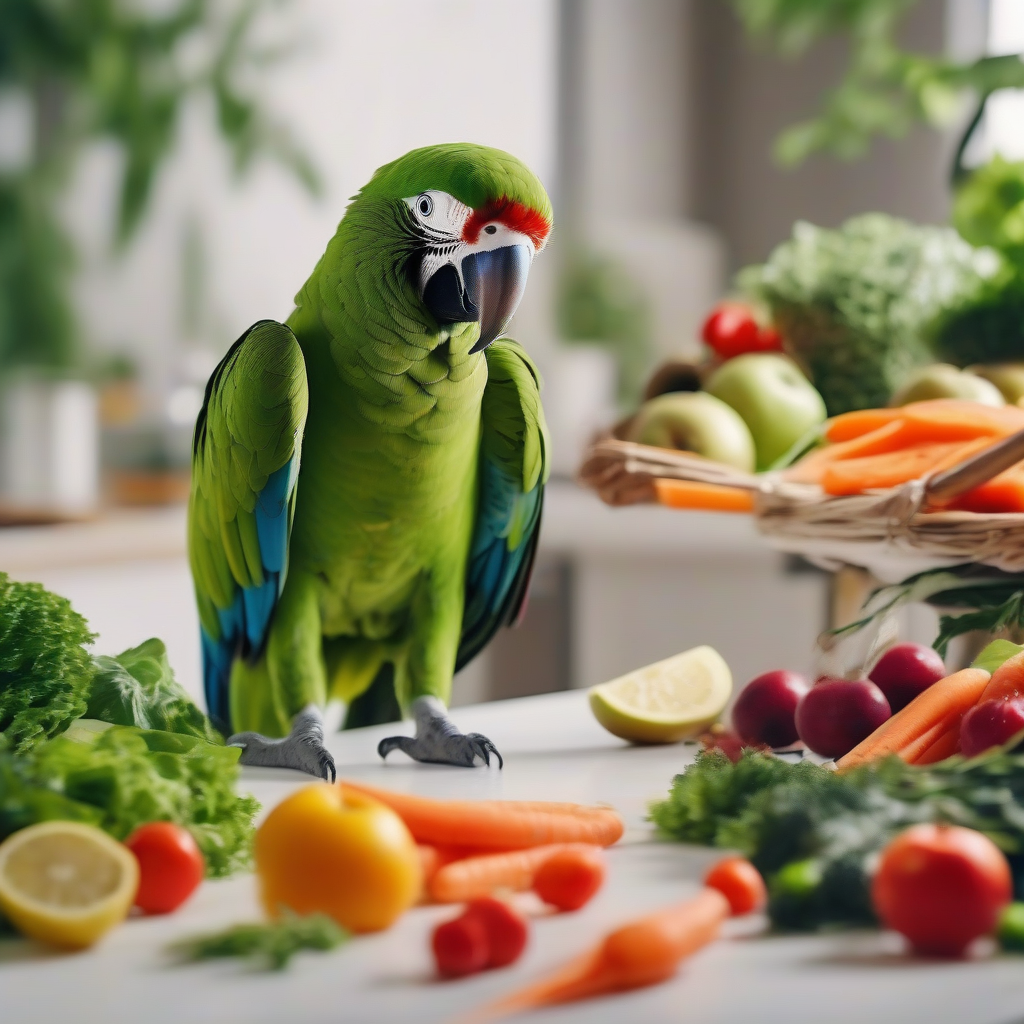
In this article, you will learn about 5 critical neurological signs of hidden vitamin and mineral deficiencies in your bird and scientific nutritional solutions to combat these conditions.


Discover the types of burns your dog can suffer, the 5 insidious neurophysiological effects these burns create in the brain and body, and lifesaving emergency intervention strategies in this comprehensive guide. We shed light on the dangers behind forgotten household accidents from a scientific perspective.

Discover the neurobiological signals of hidden stress your newly adopted cat experiences during adaptation to a new social environment. This article reveals 5 insidious signs of your cat's silent struggle and scientific strategies for peaceful, long-term harmony.

Your dog's anal sacs, located beneath the tail, can be hidden alarm bells often overlooked but profoundly affecting their quality of life. In this article, you will discover the 5 insidious neurobiological effects of anal sac problems on the brain and the lifesaving care secrets you need to know for your furry friend to live a peaceful life.
Birds, in addition to being delicate creatures, possess metabolisms with a complex biochemical balance. Did you know that even a bird that appears healthy externally can be suffering from serious vitamin and mineral deficiencies without your awareness? These deficiencies can profoundly affect not only feather structure or energy levels but also your bird's brain and nervous system, leading to various neurological problems. At WikiPet, we bring these insidious dangers to light and address the well-being of your feathered friends from a scientific perspective.
If you notice your bird suddenly becoming calmer, more unresponsive, or conversely, more irritable, a nutritional deficiency might be the underlying cause. Deficiencies in B vitamins (B1, B6, B12) and magnesium, in particular, can disrupt neurotransmitter balance, leading to behavioral fluctuations. For instance, B1 (Thiamine) deficiency can negatively impact nerve transmission, leading to depressive symptoms, while magnesium deficiency can cause overstimulation of the nervous system and restlessness. Such sudden changes are often overlooked but are whispers of your bird's internal chemistry.
If you observe a significant imbalance in your bird's gait, stumbling, or a tendency to walk as if 'drunk,' this could be a critical sign of a vitamin or mineral deficiency. Deficiencies in antioxidants like vitamin E and selenium can damage nerve cells and impair the function of areas responsible for balance, such as the cerebellum. Additionally, calcium and phosphorus imbalances can disrupt nerve signal transmission, leading to coordination problems. This indicates that your bird is not physically comfortable.
Slight tremors, spasms, or sudden 'short shock-like' movements observed in your bird can indicate a neurological problem. Imbalances in electrolytes like calcium, magnesium, and potassium can interfere with the normal functioning of nerves and muscles. Deficiencies in these minerals can lead to overstimulation of nerve cells and uncontrolled muscle contractions. Calcium deficiency, in particular, is one of the most common causes of seizure-like symptoms in birds. These situations are a reflection of the complex electrical activity in your bird's brain.
Symptoms such as constant twitching in your bird's eyes, blurred vision, or a slow response to objects can be evidence that nutritional deficiencies are affecting the visual centers in the brain. Vitamin A deficiency can lead to night blindness and general vision impairments, while vitamin B12 deficiency can negatively affect optic nerve health. These vitamins are crucial for the proper functioning of photoreceptors in the retina and the visual cortex in the brain. These signs indicate that your bird's visual perception is compromised.
Appetite changes and displaying an unusual interest or aversion to certain foods can sometimes be signs of nutritional deficiencies. For example, iron deficiency (anemia) can cause general lethargy and loss of appetite in birds. Zinc deficiency, on the other hand, can affect the sense of taste, leading to selective feeding. Such sudden and unexplained changes in your bird's feeding preferences are its body's hidden calls for specific nutrients. This is a herald of your bird's internal chemistry.
When you notice these neurological signals, instead of panicking, you should first review your bird's diet. Choosing a high-quality, species-specific, and balanced diet is the most crucial step in preventing such deficiencies.
Remember, your bird's health largely depends on its diet. By supporting its 'internal chemistry lab' with the right nutrients, you can maximize both its physical and mental well-being. Strengthening the bond you share, as explored in Your Bird's 'Individual Bonding Map': 5 Neurocognitive Secrets to Deep Bonding with Humans After Adoption!, is only possible with a healthy body.
