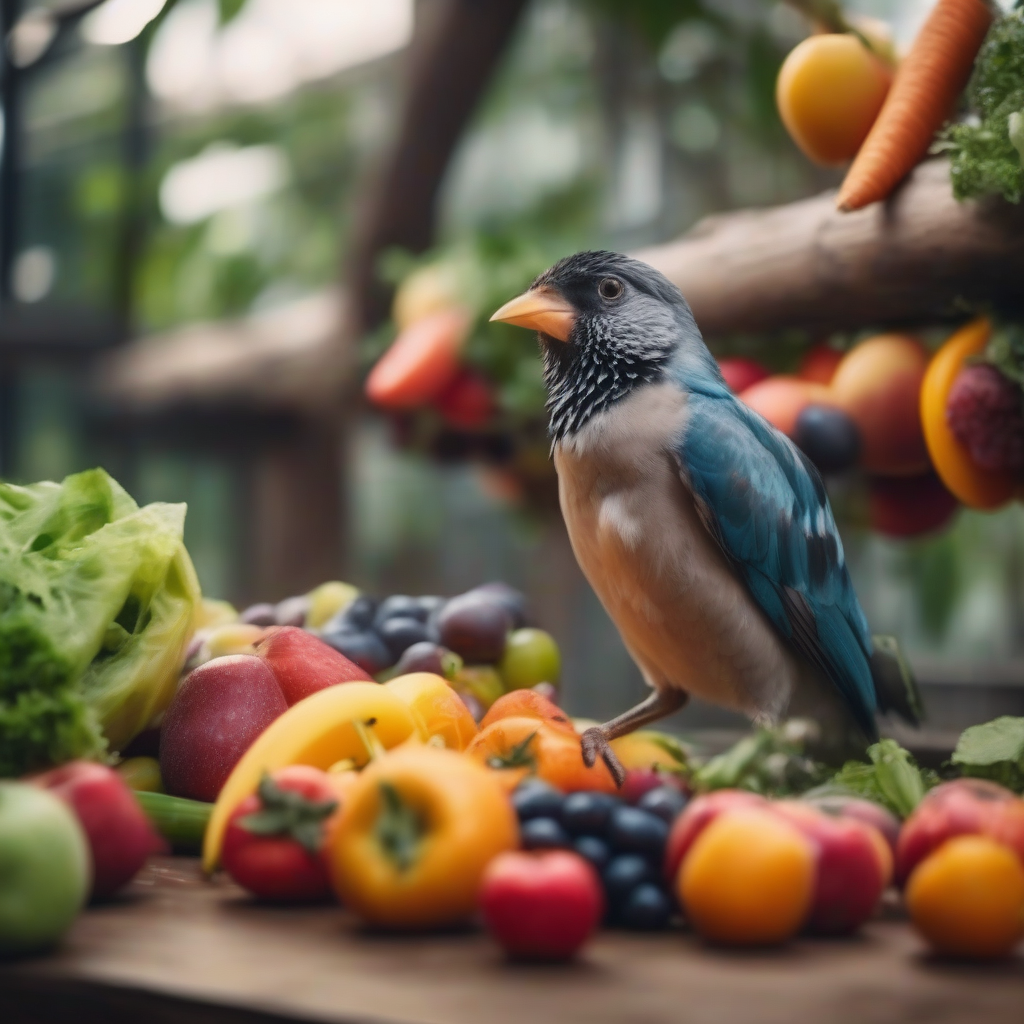
In this article, discover hidden vitamin and mineral deficiencies in your bird's diet and the neurological problems they cause, along with solutions.

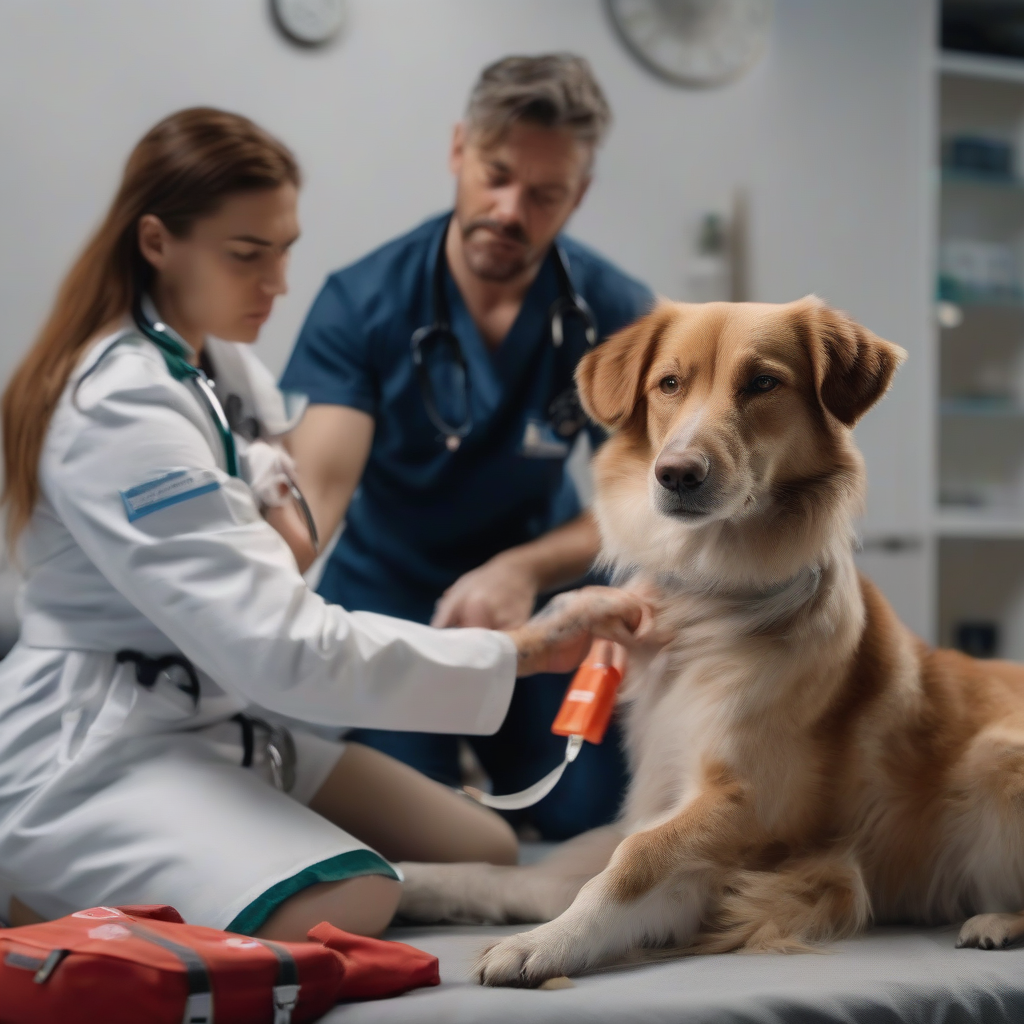
Discover the types of burns your dog can suffer, the 5 insidious neurophysiological effects these burns create in the brain and body, and lifesaving emergency intervention strategies in this comprehensive guide. We shed light on the dangers behind forgotten household accidents from a scientific perspective.

Discover the neurobiological signals of hidden stress your newly adopted cat experiences during adaptation to a new social environment. This article reveals 5 insidious signs of your cat's silent struggle and scientific strategies for peaceful, long-term harmony.

Your dog's anal sacs, located beneath the tail, can be hidden alarm bells often overlooked but profoundly affecting their quality of life. In this article, you will discover the 5 insidious neurobiological effects of anal sac problems on the brain and the lifesaving care secrets you need to know for your furry friend to live a peaceful life.
The health of our avian companions largely depends on the diet we provide. However, a truth that often goes unnoticed is that subtle dietary choices can have profound effects on your bird's overall health, especially its neurological functions. In this article, we will explore 5 insidious neurological signs caused by hidden vitamin and mineral deficiencies in your bird's diet and the scientific measures you can take against these issues.
Contrary to popular belief, a seed-based diet alone does not provide all the nutrients birds need. Deficiencies, particularly in vitamins A, D, E, K, and minerals like calcium and magnesium, can lead not only to physical ailments but also have devastating effects on the nervous system. These deficiencies can initially manifest as seemingly harmless behavioral changes, but over time, they can escalate into serious neurological problems.
Dietary deficiencies in your bird's menu can manifest in various neurological symptoms. These symptoms often begin insidiously and can be difficult to detect at first. Here are 5 critical signs to pay attention to:
Especially deficiencies in vitamin D and calcium directly affect bone development and nerve transmission. This can cause your bird to struggle with perching stability, exhibit shaky movements, or fall frequently. You may observe noticeable clumsiness in its gait or a reluctance to move.
Deficiencies in B vitamins (especially B12) and zinc can impair the proper functioning of nerve endings. This can lead to a sensation of itching in birds, resulting in excessive feather plucking. Your bird may injure itself to alleviate the discomfort it feels.
Magnesium and vitamin B6 deficiencies, which play a role in the synthesis of neurotransmitters like serotonin and dopamine, can negatively impact your bird's mood and behavior. You might observe sudden aggression, extreme timidity, withdrawal into silence, or unexpected screaming fits. This can be an indicator of nervous system imbalance.
Calcium and magnesium imbalances can lead to uncontrolled transmission of nerve impulses. This can cause your bird to blink frequently or experience twitches in certain muscle groups around the eyes or during flapping. These symptoms can be a harbinger of a potential neurological disorder.
Deficiencies in nutrients like omega-3 fatty acids, vitamin E, and selenium, essential for the healthy functioning of brain processes, can negatively affect your bird's cognitive abilities. This may manifest as a slowdown in responding to simple commands, difficulty learning new information, or general apathy. As we noted in our article Your Bird's Social Mind: Unlocking the 5 Hidden Neurocognitive Keys to Meeting a New Friend in the Brain!, nutrition is crucial for cognitive functions.
When you encounter these insidious neurological signs, your first step should be to consult your veterinarian. Once a diagnosis is made, you can help your bird regain its health with scientifically based solutions:
Remember, your bird's diet not only ensures its survival but also forms the foundation of its mental and physical health. By being mindful of 'fruit and vegetable traps,' you can ensure your feathered friend lives a healthier and happier life.
