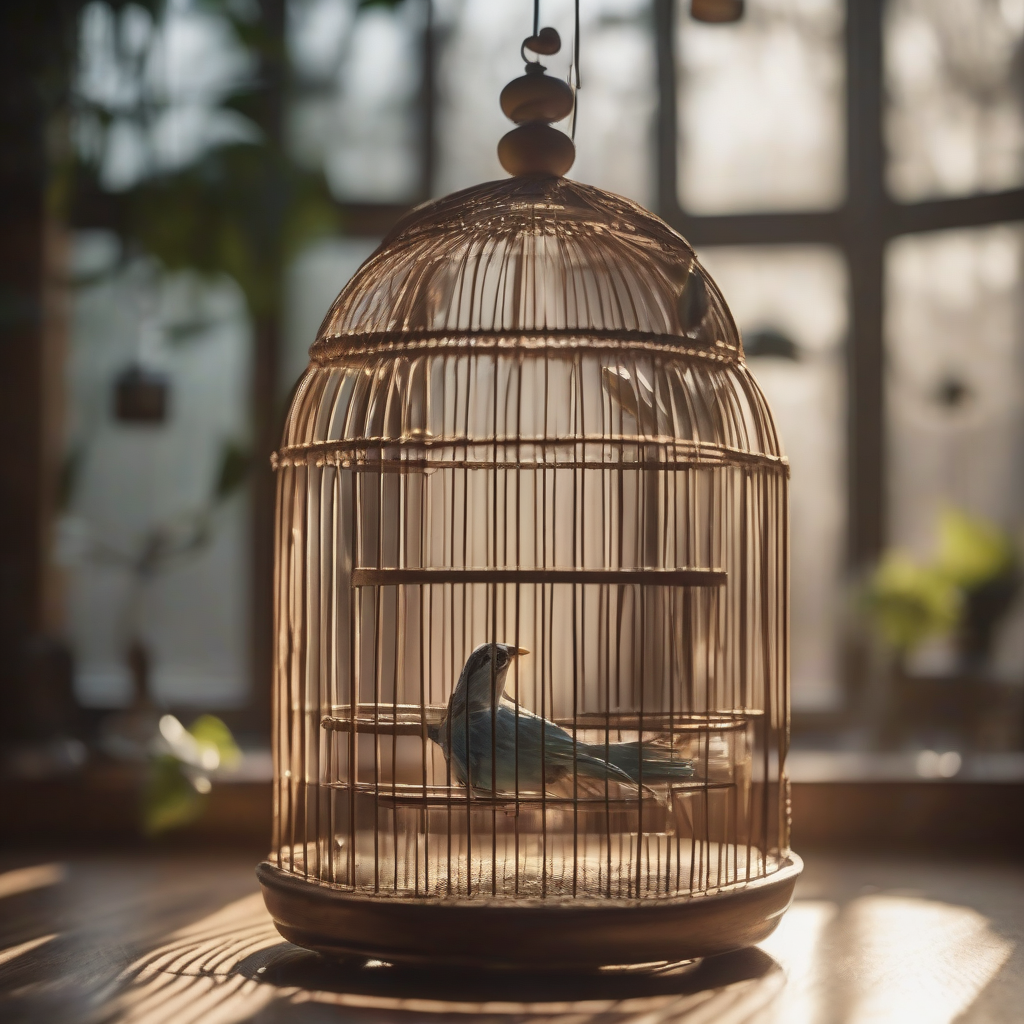
In this article, we explore the hidden effects of temperature and lighting conditions in your bird's living space on its neurobiological health and overall well-being.


Discover the types of burns your dog can suffer, the 5 insidious neurophysiological effects these burns create in the brain and body, and lifesaving emergency intervention strategies in this comprehensive guide. We shed light on the dangers behind forgotten household accidents from a scientific perspective.

Discover the neurobiological signals of hidden stress your newly adopted cat experiences during adaptation to a new social environment. This article reveals 5 insidious signs of your cat's silent struggle and scientific strategies for peaceful, long-term harmony.

Your dog's anal sacs, located beneath the tail, can be hidden alarm bells often overlooked but profoundly affecting their quality of life. In this article, you will discover the 5 insidious neurobiological effects of anal sac problems on the brain and the lifesaving care secrets you need to know for your furry friend to live a peaceful life.
For the happiness and health of our pet birds, the position, size, and internal arrangements of their cages are as critical as the lighting and temperature cycles they are exposed to. However, these factors, often overlooked, profoundly affect our birds' neurobiological systems, playing a decisive role in everything from their behavior to their physiology. In this article, we will scientifically examine 5 hidden neurobiological effects of your bird's cage placement and natural lighting that you may not be aware of.
Natural light is vital for regulating the internal clock of living beings, known as circadian rhythms. However, placing bird cages near windows in direct sunlight or positioning them too close to heaters can disrupt this delicate balance. Direct sunlight can lead to overheating, causing stress and discomfort to your bird. This can disrupt neurotransmitter balance, leading to restlessness and behaviors like feather plucking. Similarly, proximity to heaters means constant exposure to high temperatures, which negatively impacts metabolism. Overheating your bird forces its thermoregulation mechanisms and increases its sensitivity to sudden temperature changes. This can trigger the sensitivities we discussed in our article, 'Your Bird's Secret Thermal Map: 5 Neurobiological Secrets of Body Temperature Control and Optimal Care Strategies!'.
The position of a bird's cage directly affects its level of mental stimulation. Placing the cage in the quietest, most secluded corner of the house limits its opportunities to observe the world. Birds are social creatures and want to actively explore and interact with their environment. Placing the cage in an actively used room of the house, but in an area without heavy traffic, allows them to observe their surroundings and interact with family members. This interaction stimulates the social learning and bonding centers in the bird's brain. Constantly being exposed to new and safe stimuli, much like the excitement of meeting a new friend, enhances cognitive flexibility and prevents boredom. This contributes to the development of social intelligence, as emphasized in articles like 'Your Bird's Social Mind: Unlocking the 5 Hidden Neurocognitive Keys to Meeting a New Friend in the Brain!'.
Birds' sleep patterns are critical for their overall health and mood. Exposure to bright light from the cage during sleep or constant noise from other parts of the house can prevent them from entering deep sleep stages. This, much like in humans, impairs cognitive functions, weakens the immune system, and increases overall stress levels. Being exposed to random sounds or movements throughout the night can trigger a bird's 'Hidden Panic Buttons,' putting it in a constant state of alertness. This chronic stress can lead to hormonal imbalances and various health problems in the long run. Placing the cage in a location that provides complete darkness during sleep and is as far away from noise as possible will help them achieve more restful sleep. Just as important as emergency situations discussed in 'If Your Bird's 'Hidden Crisis Doors' Open: Lifesaving 5-Second Scientific Intervention for Sudden Respiratory Arrest and Hidden Neurophysiological Signals!', daily rest is vital for their neurophysiological health.
Cage interior arrangements have a direct impact on a bird's mental and physical health. Instead of just randomly placing toys and perches, arranging them to encourage natural behaviors like climbing and exploring provides environmental enrichment. Effective use of vertical space satisfies the bird's climbing instincts and encourages exercise. For example, perches placed at different heights allow the bird to stay physically active while also reinforcing the goal of reaching new heights mentally. Similar to how cats utilize vertical spaces, this helps birds develop their spatial perception and motor skills. Perch selection and placement are also critical for their foot health and balance. We discussed this topic in more detail in the article 'Your Bird's Feet: Unlocking the 'Secret Mind Map' of Perfect Perch Selection and Stress-Reducing Scientific Care!'. Strategic placement of toys keeps the bird's curiosity alive and develops its problem-solving skills.
The lighting cycles in a bird's natural environment dictate its daily activities, breeding cycles, and overall behavior. The location of the cage in the home determines how closely it aligns with these natural cycles. For instance, a cage constantly exposed to artificial light can disrupt the bird's natural sleep-wake cycle. A location near a window but not in direct sunlight allows it to follow natural light changes throughout the day, helping it establish a healthier rhythm. As the light naturally diminishes towards sunset, the bird receives a signal that the day is ending, allowing it to calm down and prepare for sleep. This is particularly evident in the article 'Your Bird's 'Hidden Climate Focus Point': Unknown Neurobiological Effects of Cage Placement and Lighting!', highlighting the profound impact of cage location on lighting cycles. These natural lighting rituals make the bird less susceptible to stress and generally lead to a more balanced mood.
In conclusion, the temperature and lighting conditions in your bird's living space are too important to be overlooked for its health and happiness. Carefully choosing its cage location, ensuring proper lighting cycles, and providing environmental enrichment are the keys to improving its neurobiological well-being. These simple adjustments will help your bird live a happier, healthier, and more balanced life.
