
We explore disruptions in your rabbit's natural sleep-wake cycle and their health implications from a neurophysiological perspective.

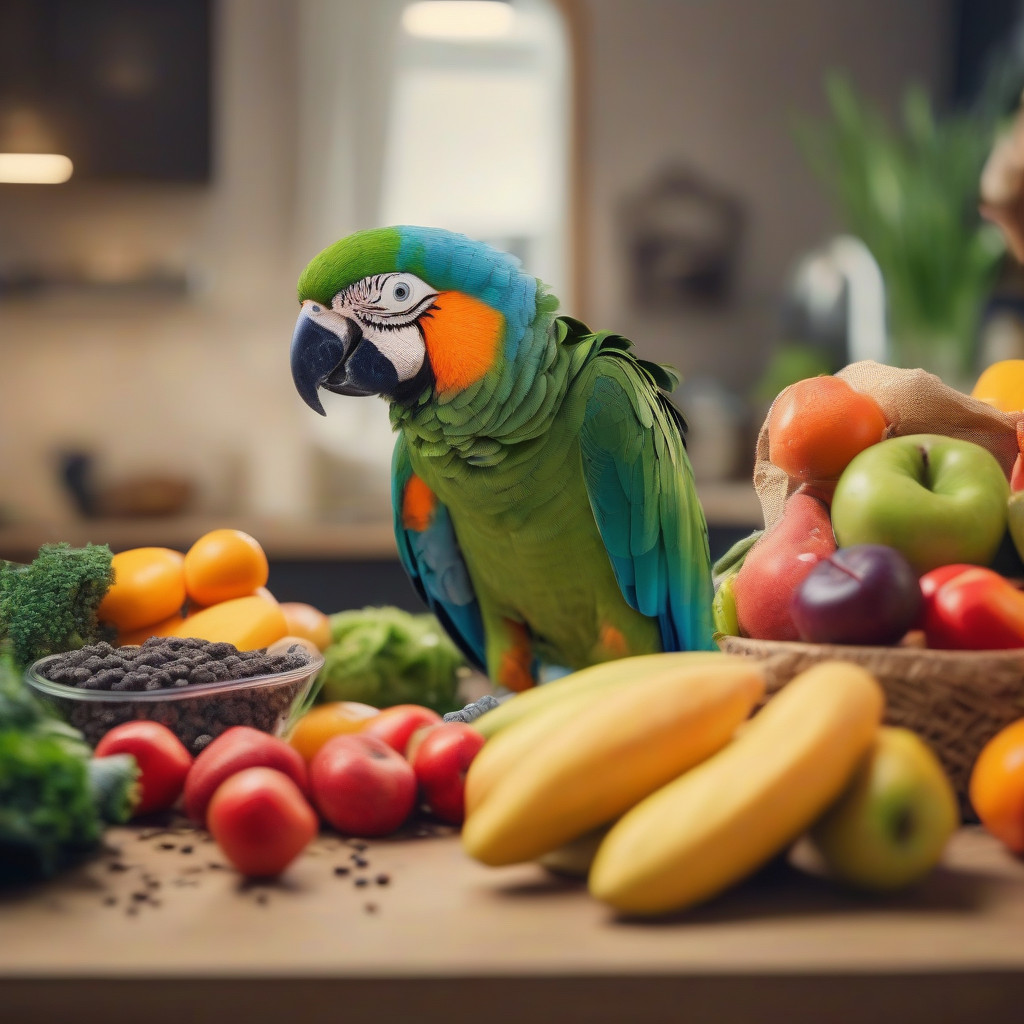
In this article, you will find comprehensive information about the insidious neurobiological effects of artificial colorings, preservatives, and flavors found in commercial bird feeds on your bird's brain health and mental vitality. We explore scientific nutritional secrets to combat these hidden dangers, shedding light on a wide spectrum of effects from behavioral changes to cognitive decline.

In this article, you can discover the scientific secrets to understanding your cat's undesirable habits, deciphering the neurocognitive mechanisms in their brain, and establishing lasting new routines.

Discover the types of burns your dog can suffer, the 5 insidious neurophysiological effects these burns create in the brain and body, and lifesaving emergency intervention strategies in this comprehensive guide. We shed light on the dangers behind forgotten household accidents from a scientific perspective.
Rabbits are known for their calm and routine nature. However, just like humans, they possess an internal biological clock: the circadian rhythm. This internal clock regulates sleep-wake cycles, hormone secretion, body temperature, and even digestive activity. The collapse of these 'invisible body clocks,' which can go unnoticed by a rabbit owner but profoundly affect their health, can manifest through various neurophysiological triggers.
In rabbits, the circadian rhythm typically follows a crepuscular or nocturnal pattern, meaning they are more active during dawn and dusk or throughout the night. This allows them to be more energetic at specific times of the day and rest at others. Disruptions to this rhythm can lead not only to sleep problems but also weaken the immune system, increase stress levels, and cause severe digestive issues.
In their natural habitats, the rising and setting of the sun dictate the sleep-wake cycle for rabbits. Constant artificial lighting or sudden light changes can disrupt the release of melatonin from the pineal gland in the brain, throwing the circadian rhythm into disarray. Melatonin is the primary regulator of the sleep cycle, and its deficiency or irregular secretion means your rabbit's 'sleep clock' is off.
Stressors such as unexpected noises, sudden movements, inadequate socialization, or the absence of a safe haven can cause rabbits to release stress hormones like cortisol. Chronic stress disrupts the balance of these hormones, negatively impacting overall physiological regulation and, consequently, the circadian rhythm. When the brain is in a constant state of 'alert,' natural sleep and rest cycles are suspended.
A rabbit's digestive system is quite sensitive, and the timing and content of their meals directly influence their circadian rhythm. Regular feeding times are crucial, especially for their digestive and excretory systems, which are more active at night or early in the morning. Diets high in sugar or difficult-to-digest ingredients can disrupt the digestive process and lead to 'silent inflammation' by triggering Your Rabbit's Food Bowl's Hidden 'Carbohydrate Traps': The Neurobiological Impact of Sugar and 'Silent Inflammation' Secrets!. This situation affects the body's overall energy and thus the sleep-wake cycle.
Rabbits naturally need to explore and move. Insufficient exercise space, a boring environment, or the lack of a secure hiding place (Your Rabbit's Invisible 'Escape Architecture': The Neurocognitive Importance of Safe Havens and Stress-Zeroing Design Secrets!) prevents rabbits from exhibiting their natural behaviors. This can lead to both mental and physical energy not being expended, consequently reducing sleep quality. Incorrect cage placement can also lead to rabbits developing hidden stress signals (Your Rabbit's Hidden Stress Signals: 5 Unknown Neurobiological Effects of Cage Placement and the Secret to a Peaceful Home!).
Chronic pain or an underlying health problem can disrupt a rabbit's overall comfort and sleep pattern. For instance, dental pain, digestive upset (Is Your Rabbit's 'Hidden Gut Orchestra' Collapsing? 5 Sudden Digestive Stop Neurobiological Triggers and Lifesaving Scientific Solutions!), or joint issues can prevent the rabbit from sleeping comfortably. This disrupts the body's natural rhythm and negatively impacts overall health. Paw health issues can also lead to pain (Your Rabbit's Secret 'Paw Health' Secrets: The Neurobiological Impact of Flooring and 5 Scientific Solutions for Pain-Free Steps!).
Some signs that your rabbit might be experiencing circadian rhythm disruption include:
The health of your rabbit's 'invisible body clock' is vital for its overall well-being. Understanding these neurophysiological triggers and taking preventive measures will ensure your furry friend lives a longer, healthier, and happier life.
