
In this article, we delve into the hidden carbohydrate traps in your rabbit's food bowl, exploring their neurobiological effects and the risk of 'silent inflammation'.

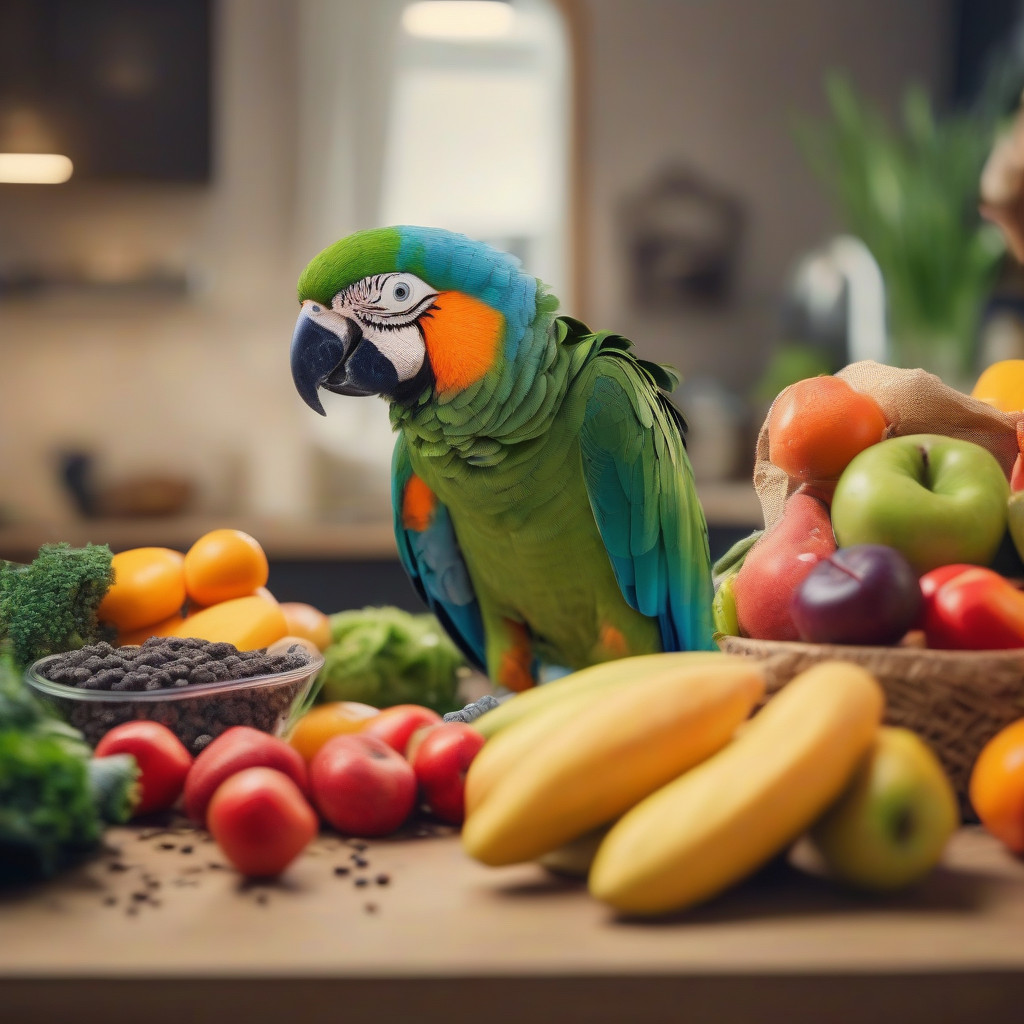
In this article, you will find comprehensive information about the insidious neurobiological effects of artificial colorings, preservatives, and flavors found in commercial bird feeds on your bird's brain health and mental vitality. We explore scientific nutritional secrets to combat these hidden dangers, shedding light on a wide spectrum of effects from behavioral changes to cognitive decline.

In this article, you can discover the scientific secrets to understanding your cat's undesirable habits, deciphering the neurocognitive mechanisms in their brain, and establishing lasting new routines.

Discover the types of burns your dog can suffer, the 5 insidious neurophysiological effects these burns create in the brain and body, and lifesaving emergency intervention strategies in this comprehensive guide. We shed light on the dangers behind forgotten household accidents from a scientific perspective.
Rabbits, as herbivores, naturally require a diet high in fiber and low in sugar. However, modern pet foods and treats can unknowingly be filled with hidden carbohydrate traps that can negatively impact your rabbit's health. These traps can lead not only to weight gain but also to deeper, more insidious health problems, particularly affecting neurobiology and causing 'silent inflammation'.
Rabbit digestive systems are evolved to break down complex carbohydrates like cellulose. Beneficial bacteria in their hindgut ferment fiber to produce volatile fatty acids (VFAs), which are essential energy sources and crucial for gut health. However, simple sugars (monosaccharides and disaccharides) and refined starches are rapidly absorbed, disrupting the body's chemistry.
The rapid absorption of simple sugars causes sharp spikes and subsequent crashes in blood sugar levels. These fluctuations can disrupt the balance of neurotransmitters in the brain, particularly affecting those responsible for mood, motivation, and reward mechanisms, such as dopamine and serotonin.
'Silent inflammation' refers to a low-grade, persistent inflammatory state within the body. It often presents without obvious symptoms but can cause organ damage over time and predispose to chronic diseases. Diets high in carbohydrates, especially refined sugars, can trigger inflammatory processes.
Simple sugars promote the proliferation of harmful bacteria in the gut, disrupting the balance of the microbiome. This can increase intestinal permeability ('leaky gut'), allowing undigested food particles and toxins to enter the bloodstream. This constant activation of the immune system contributes to systemic inflammation.
These issues directly impact your rabbit's digestive health. As discussed in articles like Your Rabbit's Food Bowl's Hidden 'Fiber Traps': 5 Insidious Dietary Secrets That Can Collapse Their Digestive System & Protective Nutrition Strategies! and Is Your Rabbit's 'Hidden Gut Orchestra' Collapsing? 5 Sudden Digestive Stop Neurobiological Triggers and Lifesaving Scientific Solutions!, a healthy digestive system is fundamental for overall health and well-being.
Chronic high carbohydrate intake can lead to obesity and insulin resistance in rabbits, increasing the risk of diabetes and metabolic syndrome. These conditions significantly impact not only physical health but also mental state and quality of life.
In conclusion, carefully examining your rabbit's food bowl to understand not only its nutritional content but also hidden carbohydrate traps is critical for protecting their neurobiological health and keeping them free from insidious threats like 'silent inflammation'. With informed dietary choices, you can ensure your rabbit lives a longer, healthier, and happier life.
