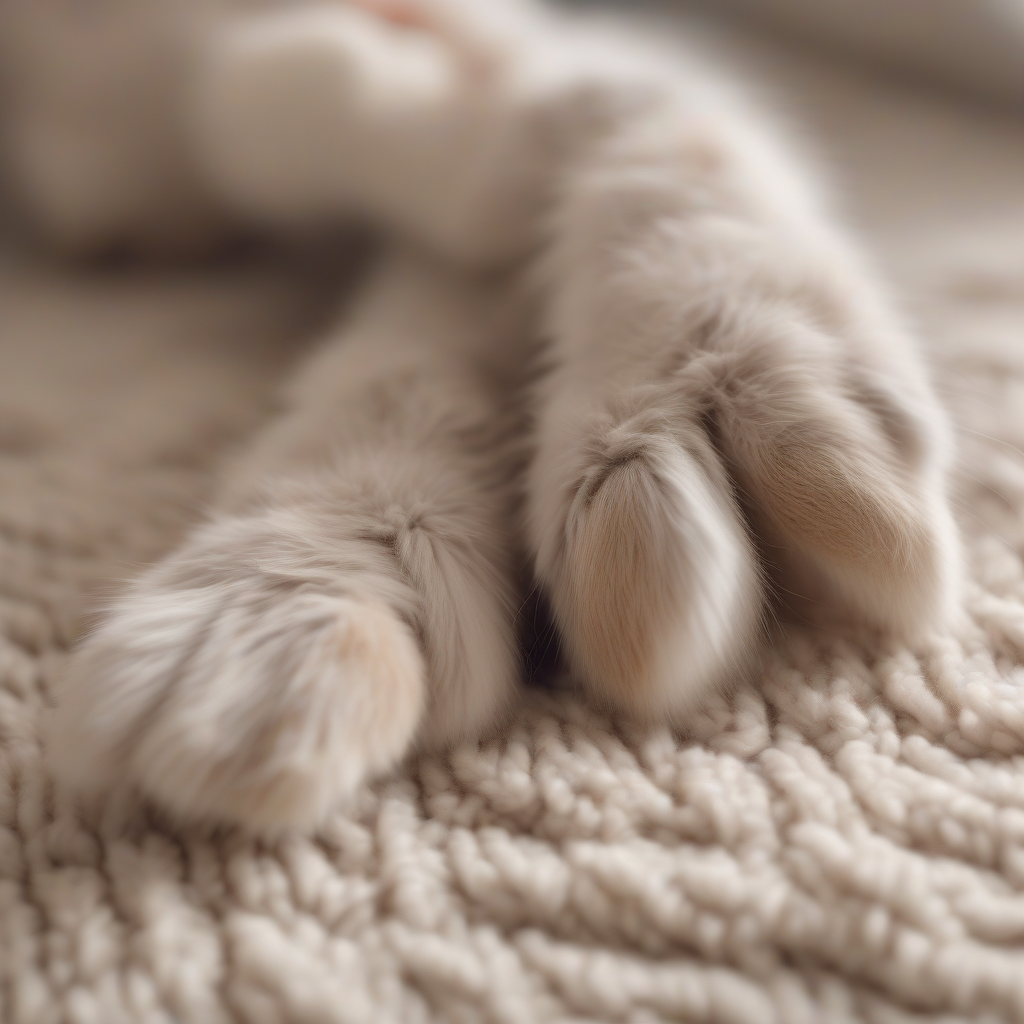
In this article, discover the unknown neurobiological effects of flooring choices that directly impact your rabbit's paw health and 5 scientific solutions for them to take pain-free steps.


Discover the types of burns your dog can suffer, the 5 insidious neurophysiological effects these burns create in the brain and body, and lifesaving emergency intervention strategies in this comprehensive guide. We shed light on the dangers behind forgotten household accidents from a scientific perspective.

Discover the neurobiological signals of hidden stress your newly adopted cat experiences during adaptation to a new social environment. This article reveals 5 insidious signs of your cat's silent struggle and scientific strategies for peaceful, long-term harmony.

Your dog's anal sacs, located beneath the tail, can be hidden alarm bells often overlooked but profoundly affecting their quality of life. In this article, you will discover the 5 insidious neurobiological effects of anal sac problems on the brain and the lifesaving care secrets you need to know for your furry friend to live a peaceful life.
Rabbits explore the world with their delicate paws. However, the wrong choice of flooring in their environment can severely compromise their comfort and health. In this article, we will delve into the unknown neurobiological effects of flooring on your rabbit's paws and offer scientific solutions to help them take peaceful, pain-free steps.
Rabbit feet are one of their most sensitive areas. The pads on their soles (which are prone to pododermatitis) and their thin skin not only allow them to perceive environmental cues but also make them more vulnerable to external factors. Incorrect flooring can lead not only to physical discomfort but also to long-term neurobiological stress and pain.
Hard and slippery surfaces like laminate, ceramic, or polished wood exert constant pressure on a rabbit's paws. This irritates the nerves in their paw pads, sending continuous pain signals to the brain. Over time, this can cause rabbits to avoid movement, become more passive, and even lead to an increase in general anxiety levels. Imagine how it would feel if every step you took felt like stepping on a nail!
This constant discomfort can exacerbate the stress factors mentioned in the article Your Rabbit's Hidden Stress Signals: 5 Unknown Neurobiological Effects of Cage Placement and the Secret to a Peaceful Home! and reduce their overall quality of life.
Soft but also uneven surfaces (e.g., very thick plush carpets or loose sand) can cause rabbit paws to sink unevenly. These types of surfaces can place excessive strain on the ligaments and joints in their paws. The constant reshaping of the paw with each step stresses the nerves within the paw, sending 'unsafe' signals to the brain. This can eventually lead to difficulty in walking and prevent rabbits from moving comfortably. This can create an effect similar to the sudden shock mentioned in Your Rabbit's 'Invisible Shock' Danger: 5 Insidious Neurocognitive Signs Requiring Emergency Intervention and Lifesaving First Aid Protocols!.
To enhance the neurobiological well-being of rabbits, we must provide them with flooring that mimics their natural environment. This is critically important for both their physical and mental health.
For rabbits prone to pododermatitis (inflammation of the paw pads), some veterinarians may recommend specially designed soft and supportive insoles. These insoles help distribute pressure from the ground evenly, reducing stress on the nerve endings.
Always ensure clean and soft bedding is available in the areas where your rabbit sleeps and rests. This helps them recover from any potential discomfort experienced during the day by resting at night. This highlights the importance of environmental factors, similar to what's discussed in Your Hamster's 'Secret Humidity Defense': 5 Neurobiological Secrets of How Air Humidity Shapes Skin and Respiratory Health!.
Engage your rabbit in short, controlled exercises on safe and soft surfaces (e.g., on carpet). This helps strengthen their paw muscles and ligaments, making them more resilient to the flooring. This can also contribute to the learning process when combined with Your Rabbit's 'Hidden Learning Brain': 5 Neurocognitive Secrets of Rapid Adaptation with Positive Reinforcement!.
Under your veterinarian's recommendation, in certain situations, briefly washing your rabbit's paws with a gentle, lukewarm, lightly salted water solution can improve blood circulation and reduce inflammation. Such treatments should always be performed under veterinary guidance.
The smell and texture of the flooring in your rabbit's living space are indicators of safety for them. Constantly changing or unpleasantly scented floors can cause stress, as mentioned in Your Rabbit's 'Hidden Social Harmony Frontlines': The Neurobiological Battles of the First 7 Days in a New Home and Peace Codes!. Therefore, it is important that the materials used are natural, hypoallergenic, and consistently of the same quality.
Your rabbit's flooring is more than just a play area; it is a critical factor that directly impacts their neurobiological health. With the right flooring choices and conscious care practices, you can ensure your rabbit lives a more comfortable, happier, and pain-free life. Remember, every step they take is a signal in their brain, and we are responsible for ensuring those signals are positive.
