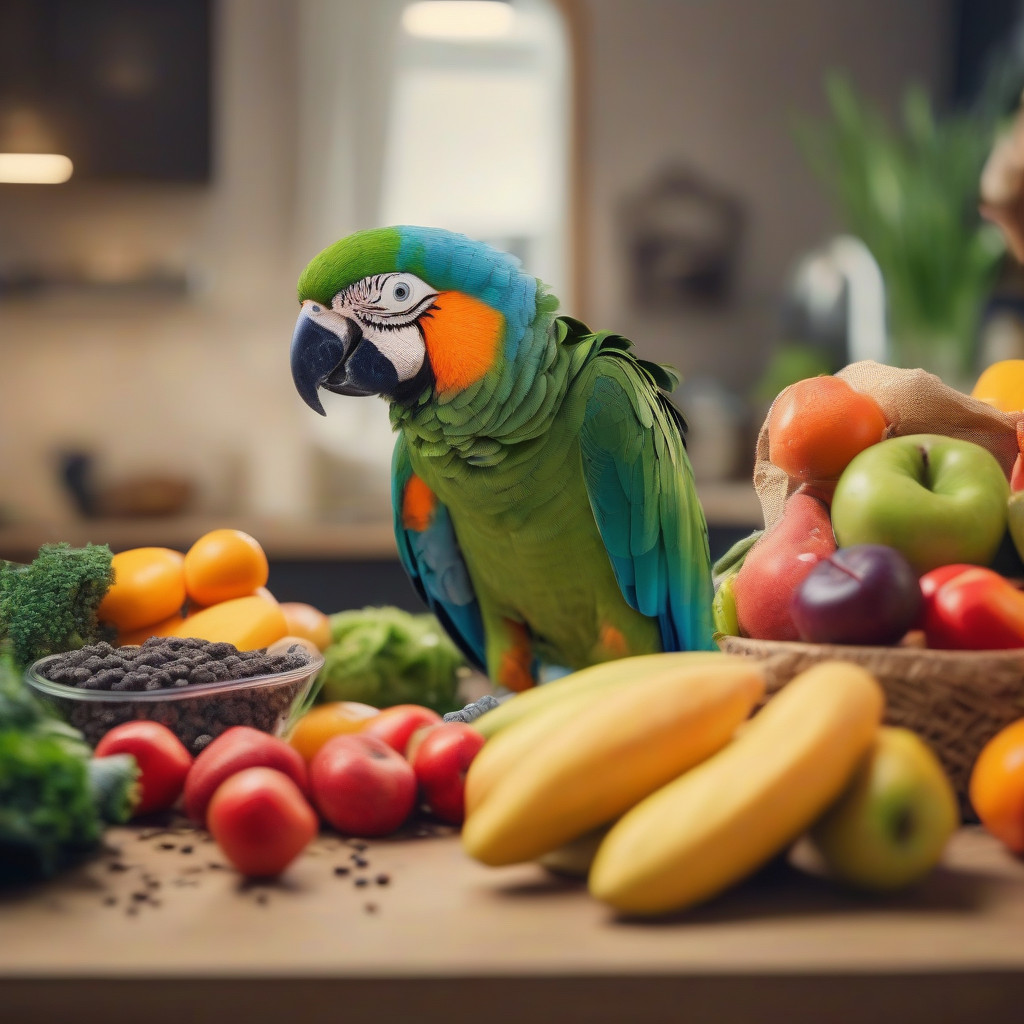
In this article, you will find comprehensive information about the insidious neurobiological effects of artificial colorings, preservatives, and flavors found in commercial bird feeds on your bird's brain health and mental vitality. We explore scientific nutritional secrets to combat these hidden dangers, shedding light on a wide spectrum of effects from behavioral changes to cognitive decline.

In this article, you will find comprehensive information about the insidious neurobiological effects of artificial colorings, preservatives, and flavors found in commercial bird feeds on your bird's brain health and mental vitality. We explore scientific nutritional secrets to combat these hidden dangers, shedding light on a wide spectrum of effects from behavioral changes to cognitive decline.
In this article, you can discover the scientific secrets to understanding your cat's undesirable habits, deciphering the neurocognitive mechanisms in their brain, and establishing lasting new routines.

Discover the types of burns your dog can suffer, the 5 insidious neurophysiological effects these burns create in the brain and body, and lifesaving emergency intervention strategies in this comprehensive guide. We shed light on the dangers behind forgotten household accidents from a scientific perspective.
Nutrition is a cornerstone for the health and happiness of our pet birds. However, many commercial bird feeds found on market shelves today are laden with artificial colorings, preservatives, and flavors that can subtly affect not only our birds' physical health but also their brain function and mental vitality. These invisible aggressors can lead to various neurobiological problems over time, ranging from behavioral disorders to cognitive decline. So, how exactly does this chemical cocktail impact your bird's brain, and how can you build a scientific shield against these hidden threats?
At WikiPet, we aim for our birds to not only survive but also to thrive mentally. In this in-depth guide, we will reveal the 5 insidious neurobiological effects of artificial additives in commercial feeds on your bird's brain and lifesaving nutritional secrets for optimal mental health.
Artificial colorings are used to make feeds more appealing to humans, but they can have unexpected effects on bird physiology. Food dyes (e.g., Tartrazine, Sunset Yellow), in particular, have been observed to cause behavioral disorders in sensitive bird species, such as hyperactivity, sudden feather-plucking tendencies, or increased aggression. This can disrupt the balance of neurotransmitters like dopamine and serotonin in the brain, creating negative effects on the bird's mood and impulse control. A brain constantly exposed to chemical stimuli struggles to maintain its natural balance, which can trigger issues like those discussed in "Your Bird's 'Silent Swamp of Repetition': 5 Insidious Neurobiological Effects of Stereotypical Behaviors and Scientific Secrets to a Peaceful Mind!".
Artificial preservatives (such as BHA, BHT, Ethoxyquin) are used to extend the shelf life of feeds. However, once absorbed from the digestive system, these compounds can cause oxidative stress in the body, particularly in the brain. Oxidative stress increases the production of free radicals that damage cells, potentially leading to chronic neuroinflammation. Brain inflammation, in the long term, can be associated with reduced cognitive function, memory problems, and even accelerated neurodegenerative processes. This can severely impact your bird's learning ability and adaptation to its environment.
Artificial additives can disrupt the delicate balance of your bird's gut microbiota. An imbalance in gut flora (dysbiosis) leads to inflammation and compromised integrity of the gut barrier. Scientific research increasingly emphasizes the importance of the gut-brain axis; gut health has a direct impact on brain function and mood. Disruptions in the gut can lead to an increase in toxins reaching the brain and malfunctions in neurotransmitter production, deeply affecting your bird's mental vitality. For detailed information on this topic, please refer to our article "Your Bird's Gut Silence: 5 Insidious Neurobiological Effects of Microbiome Imbalance on the Brain and Scientific Solutions for Optimal Mental Vitality!".
Chronic exposure to artificial additives can lead to a noticeable decline in birds' overall cognitive functions. This may manifest as reduced problem-solving ability, difficulties in learning new tasks, and slower reaction times to environmental stimuli. The brain's constant fight against chemicals depletes energy and resources in areas related to learning and memory. This situation can negatively affect your bird's natural behaviors, such as those discussed in "Your Bird's Brain's 'Hidden Foraging Code': 5 Insidious Neurobiological Effects of Insufficient Foraging Behavior and Scientific Enrichment Secrets for Mental Health!".
Artificial flavors can make birds dependent on highly palatable, processed feeds that are low in nutritional value. These flavors can disrupt birds' natural food preferences, causing them to reject fresh vegetables, fruits, and high-quality pellet feeds. This can lead to nutritional deficiencies while also affecting reward mechanisms, creating an addiction-like cycle towards food. Birds fed excessively processed foods may fall into a state described in "Your Bird's 'Hidden Hunger Syndrome': 5 Insidious Neurometabolic Effects of Seed-Based Diets on the Brain and Scientific Solutions to Enhance Quality of Life!".
There are steps you can take to protect your bird's brain from these insidious assaults and maintain its mental vitality at the highest level:
Your bird's brain is its center for perceiving the world, learning, and interacting. A diet full of artificial additives can profoundly affect this delicate system. By making conscious choices and adopting scientific nutritional strategies, you can ensure your bird not only lives a long life but also leads a mentally vibrant and happy existence. Remember, a healthy brain means a healthy and happy bird.
