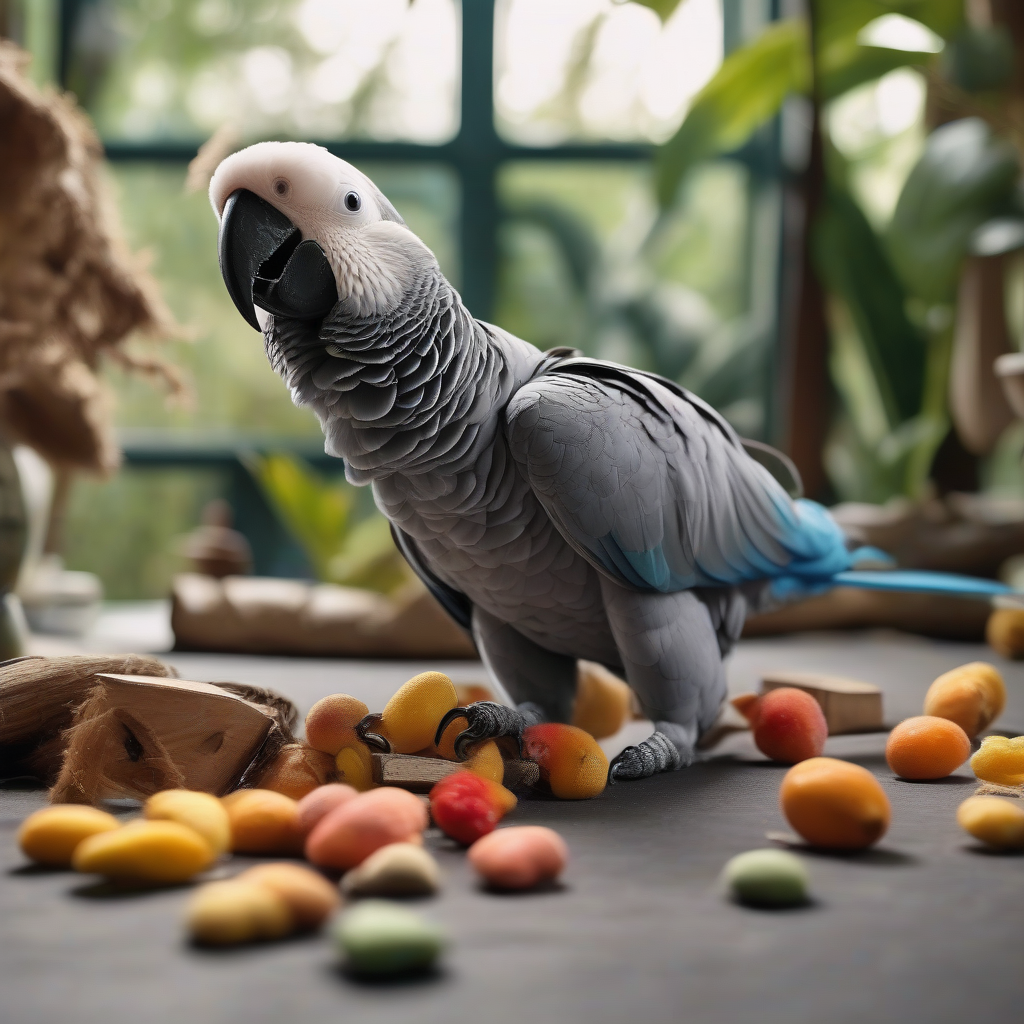
Depriving your pet bird of its natural foraging behavior can lead to profound and insidious neurobiological effects on brain health. In this article, you will discover these hidden impacts and scientific foraging enrichment strategies to enhance your bird's mental well-being.

Acute respiratory obstruction, or choking, in your hamster is one of the most urgent, life-threatening emergencies. In this article, we will delve into the 5 insidious neurophysiological effects of choking on your hamster's brain and the lifesaving emergency intervention codes you can apply in this critical situation. Swift and correct action can save your tiny friend's life.
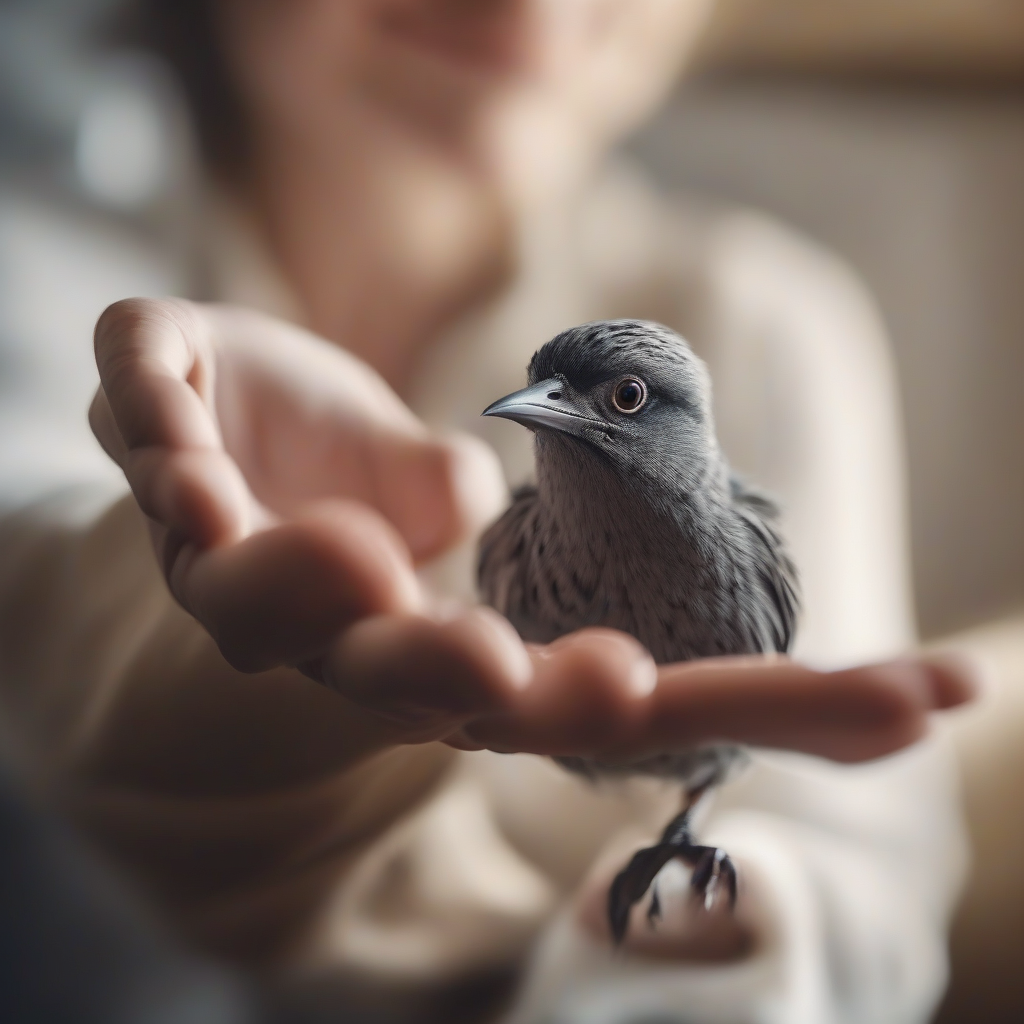
In this article, we scientifically examine the 'shadow of the past' carried in the brains of rehomed birds, exploring the neurocognitive effects of old home connections and secrets to building lasting trust in their new homes.

Adequate water intake is fundamental for your cat's overall health and especially brain function. This article deeply explores the insidious neurobiological effects of chronic dehydration on your cat's brain and offers lifesaving scientific hydration strategies.
In their natural habitat, pet birds spend a significant portion of their day foraging for food. They navigate branches, turn over leaves, crack shells with their beaks, and constantly explore their surroundings to find seeds, fruits, insects, or nectar. This complex and rewarding set of behaviors is called “foraging.” However, domesticated birds often find their food readily available in a bowl, eliminating the opportunity to satisfy this strong innate instinct. This can lead to silent but profound neurobiological effects in your bird's brain, seriously threatening its mental and physical health.
As a veterinary content strategist, we will address the impacts of this hidden foraging code deficiency on your bird's brain health from a scientific perspective and offer evidence-based solutions to enhance their mental well-being.
Foraging is a fundamental part of survival for birds and provides vital stimulation for brain development and cognitive functions. This activity isn't just about finding food; it also involves problem-solving, decision-making, environmental exploration, and motor skill development. Birds deprived of natural foraging behavior can develop chronic stress, boredom, and undesirable behavioral patterns. So, how exactly does this situation affect your bird's brain?
When your pet bird's easily accessible food in a bowl disregards its natural biological codes, a chain of negative reactions begins in the brain:
Foraging is closely linked to the brain's reward system. The act of finding and consuming food triggers dopamine release, which reinforces learning, motivation, and pleasure. Easily accessible food disrupts this natural dopaminergic cycle. Chronically low stimulation can lead to decreased sensitivity of dopamine receptors or imbalances in dopamine production, resulting in apathy, lack of motivation, and disinterest in new things in your bird. This can also reduce learning potential, contrary to the 'surprise expectation' mechanism discussed in our article neurocognitive secrets to boosting motivation.
Boredom and lack of mental stimulation lead to chronic stress in birds. In stressful situations, corticosterone hormone is secreted from the bird's adrenal glands. Continuously high corticosterone levels can damage brain regions involved in learning and memory, such as the hippocampus, weaken the immune system, and trigger anxiety disorders. Prolonged stress is also a significant factor among the neurobiological triggers of feather plucking.
The hippocampus is a critical brain structure for cognitive functions such as learning, memory, and spatial navigation. Foraging requires birds to explore their environment, remember the location of food sources, and develop new strategies. This mental exercise supports hippocampal plasticity. Insufficient foraging activity can lead to disuse and eventual atrophy (shrinking) of the hippocampus. This, in turn, reduces your bird's ability to learn new things and comprehend its environment.
Serotonin is a neurotransmitter that plays a crucial role in mood, sleep, appetite, and emotional regulation. Chronic stress and lack of stimulation can lead to imbalances in serotonin metabolism. These imbalances can cause behavioral problems in birds, such as depression-like states, increased aggression, or obsessive-compulsive behaviors (e.g., excessive feather plucking). Resistance codes in training can be associated with behavioral difficulties stemming from such emotional imbalances.
The prefrontal cortex is responsible for complex cognitive functions such as problem-solving, decision-making, planning, and impulse control. Foraging is a problem-solving activity that requires birds to overcome obstacles, use tools (in some species), and develop various strategies. Deprivation of such challenging mental tasks can lead to decreased prefrontal cortex activity and, consequently, a decline in cognitive flexibility and decision-making ability. Monotonous feeding habits, especially like the neurometabolic effects of seed-based diets, can accelerate this cognitive decline.
Encouraging foraging behavior is critical to supporting your bird's brain health and overall well-being. Here are some scientifically proven enrichment strategies:
Acquire specialized foraging toys that require your bird to exert mental and physical effort to obtain food. These toys have compartments that the bird must manipulate with its beak or claws. Start with different difficulty levels, choose toys appropriate for your bird's skills, and gradually move to more complex ones.
Hide small portions of food in various places around the cage or in safe areas of your home. This will encourage your bird to explore its surroundings and search for food. You can use places like curtain folds, behind toys, or in safe boxes.
Present fruits, vegetables, and pellets in your bird's diet in various forms. For example, instead of dicing vegetables, you can hang them as large leaves or attach fruit slices to different parts of the cage. This positively impacts the neurochemical secrets of nutritional choices, allowing your bird to discover new tastes and textures.
Add safe, non-toxic branches and leaves to the cage. Your bird will naturally explore these materials with its beak, chew on them, and try to find hidden food (e.g., dried fruits or seeds) inside. This satisfies both foraging and natural chewing needs.
If you have a safe outdoor area and your bird is trained, you can allow it to forage outdoors under supervision. This enables your bird to explore its natural environment and experience real foraging. However, this requires careful supervision to eliminate the risk of escape and predator threats.
Nourishing your bird not only physically but also mentally is fundamental to its quality of life in captivity. Understanding the insidious neurobiological effects of foraging deficiency will enable pet bird owners to take more informed steps. By implementing scientifically supported foraging enrichment strategies, you can satisfy your bird's natural instincts, provide mental stimulation, and help it lead a happier, more balanced life. Remember, a healthy brain means a happy bird. These approaches will enhance your bird's overall behavioral well-being, offering you the opportunity to build a stronger, more meaningful bond.
