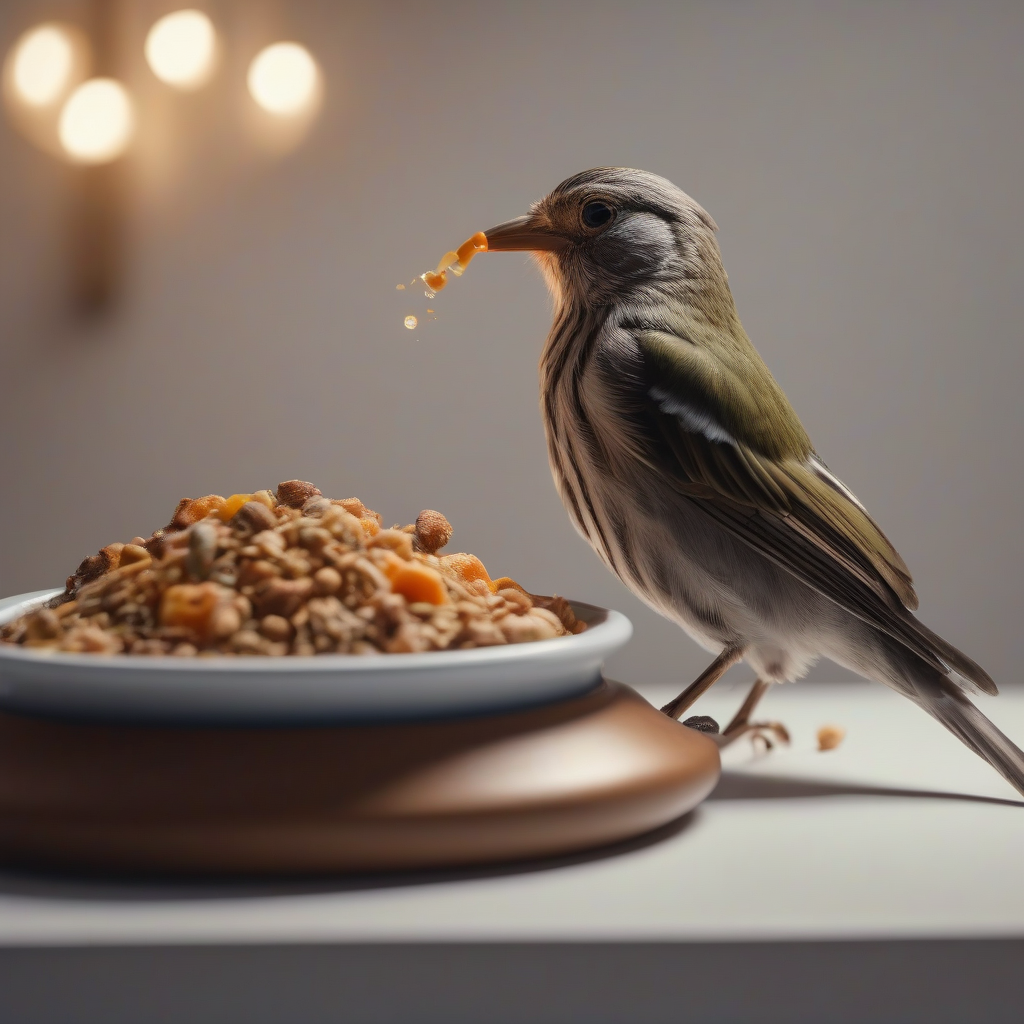
In this article, discover hidden toxin traps in your bird's diet, neurochemical secrets to protect digestive health, and optimal feeding strategies.


In this article, you will discover the little-known but profound effects of the acoustic environment in rabbit living spaces on their brain health and general well-being, exploring the neurobiological consequences of both sound deprivation and overstimulation, and scientific secrets to creating a peaceful environment. Understand and optimize your rabbit's world with expert tips.
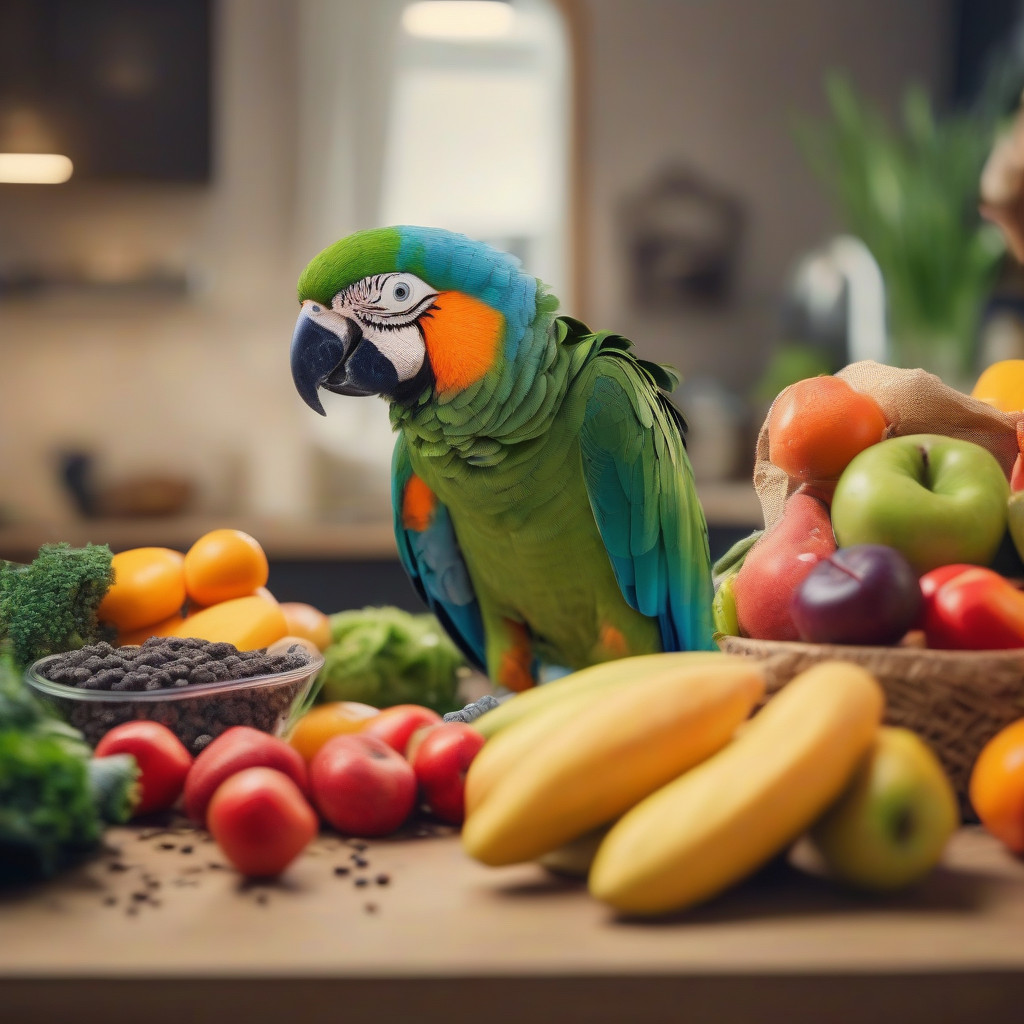
In this article, you will find comprehensive information about the insidious neurobiological effects of artificial colorings, preservatives, and flavors found in commercial bird feeds on your bird's brain health and mental vitality. We explore scientific nutritional secrets to combat these hidden dangers, shedding light on a wide spectrum of effects from behavioral changes to cognitive decline.

In this article, you can discover the scientific secrets to understanding your cat's undesirable habits, deciphering the neurocognitive mechanisms in their brain, and establishing lasting new routines.
Your pet bird's health hinges on a complex balance that extends beyond the nutrients in its food bowl. Often overlooked, yet profoundly impacting your bird's overall well-being and digestive system, are hidden 'nutrition labyrinths.' In this article, we will delve into the subtle toxin traps within your bird's food bowl that you might not be aware of, how they affect the digestive system, and most importantly, 5 critical neurochemical secrets to strengthen your bird's natural 'digestive immunity.'
Every bird's diet can contain 'anti-nutrients' that potentially hinder vitamin and mineral absorption. These compounds can be hidden within food sources and directly impair your bird's ability to process essential nutrients. For instance, phytates found in some grains or plant-based feeds can bind to vital minerals like iron, zinc, and calcium, reducing their absorption by the body. This can lead to a cascade of neurological issues, as detailed in our article, Your Bird's Secret 'Internal Chemistry Lab': 5 Insidious Neurological Signs of Vitamin and Mineral Deficiencies and Scientific Solutions!. Mitigating the effects of these anti-nutrients is possible through careful selection of the right type and quality of feed.
Excessive saturated fats or a high intake of omega-6 fatty acids in a bird's diet can lead to a chronic inflammatory state known as 'silent inflammation.' While this condition may not exhibit obvious external symptoms, it places constant stress on your bird's digestive tract. This inflammation increases the permeability of the gut lining, allowing harmful substances to enter the bloodstream. Neurochemically, this chronic inflammation can negatively affect your bird's mood, energy levels, and even cognitive functions. Therefore, choosing feeds with a balanced fatty acid profile, especially those containing omega-3 fatty acids, is crucial for bolstering your bird's digestive shield.
Bird feeds can become contaminated with harmful substances such as molds and mycotoxins, depending on storage conditions. These toxins put a strain on your bird's liver, overwhelming its detoxification mechanisms. From a neurological perspective, these toxins can directly target the nervous system, leading to behavioral changes, coordination problems, and even seizures. This risk is particularly high in processed or long-exposed feeds. Storing feed fresh and under appropriate conditions, purchasing from reliable suppliers, and never using suspicious-looking feed are of vital importance. Your Bird's Hidden 'Toxin Trap' Danger: 5 Insidious Neurological Signals and Lifesaving Emergency Intervention Codes! offers more detailed information on this topic.
Many commercial bird foods and treats contain high levels of simple carbohydrates (sugar), which birds readily consume. While these foods provide a short-term energy boost by causing rapid blood sugar spikes, they can, in the long run, lead to the proliferation of undesirable bacteria in the digestive system. This imbalance in gut microbiota can cause bloating, gas, and general digestive discomfort. Neurochemically, these constant blood sugar fluctuations can increase your bird's stress levels and trigger a tendency towards irritability. A balanced diet necessitates prioritizing fibrous foods and complex carbohydrates.
One of the most effective ways to strengthen your bird's digestive shield is by integrating prebiotics and probiotics into its diet. Probiotics increase the number of beneficial bacteria in the digestive tract, helping to combat harmful microorganisms. Prebiotics, in turn, feed these beneficial bacteria, promoting their growth. These microorganisms not only improve digestion but also have significant neurochemical effects on vitamin synthesis and immune system function. A healthy gut microbiome translates to a generally happier, more energetic bird that is more resistant to diseases. Incorporating these beneficial microbes into the diet, either through high-quality bird feeds or veterinarian-recommended supplements, is a major investment in your bird's long-term health.
When reviewing your bird's dietary regimen, paying attention not only to nutritional values but also to potential 'toxin traps' and neurochemical factors that support the digestive system is key to ensuring it leads a healthier, happier, and longer life. Remember, a healthy digestive system makes for a happy bird.
Our other related articles:
