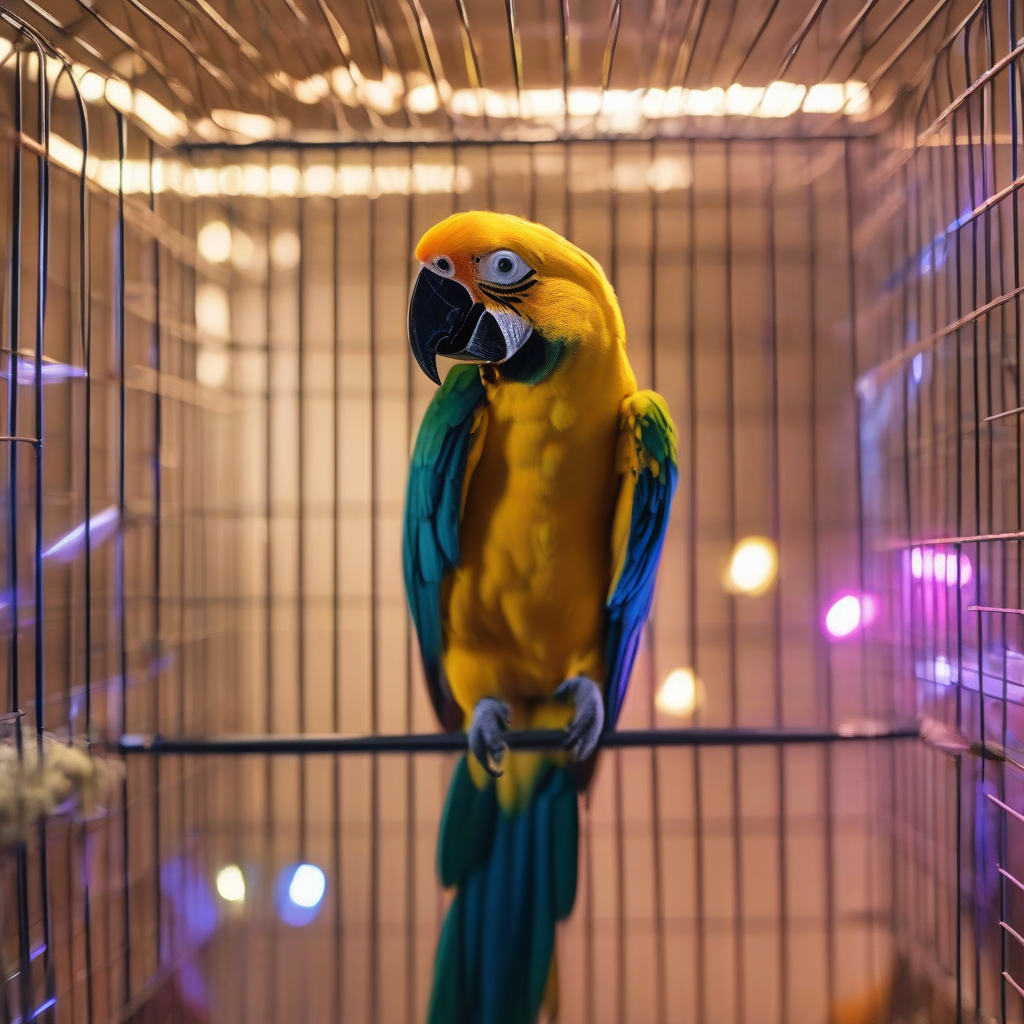
In this article, you will discover why UV light is vital for your pet birds' health and well-being, its neurobiological effects, and how to provide optimal UV lighting in their habitat.

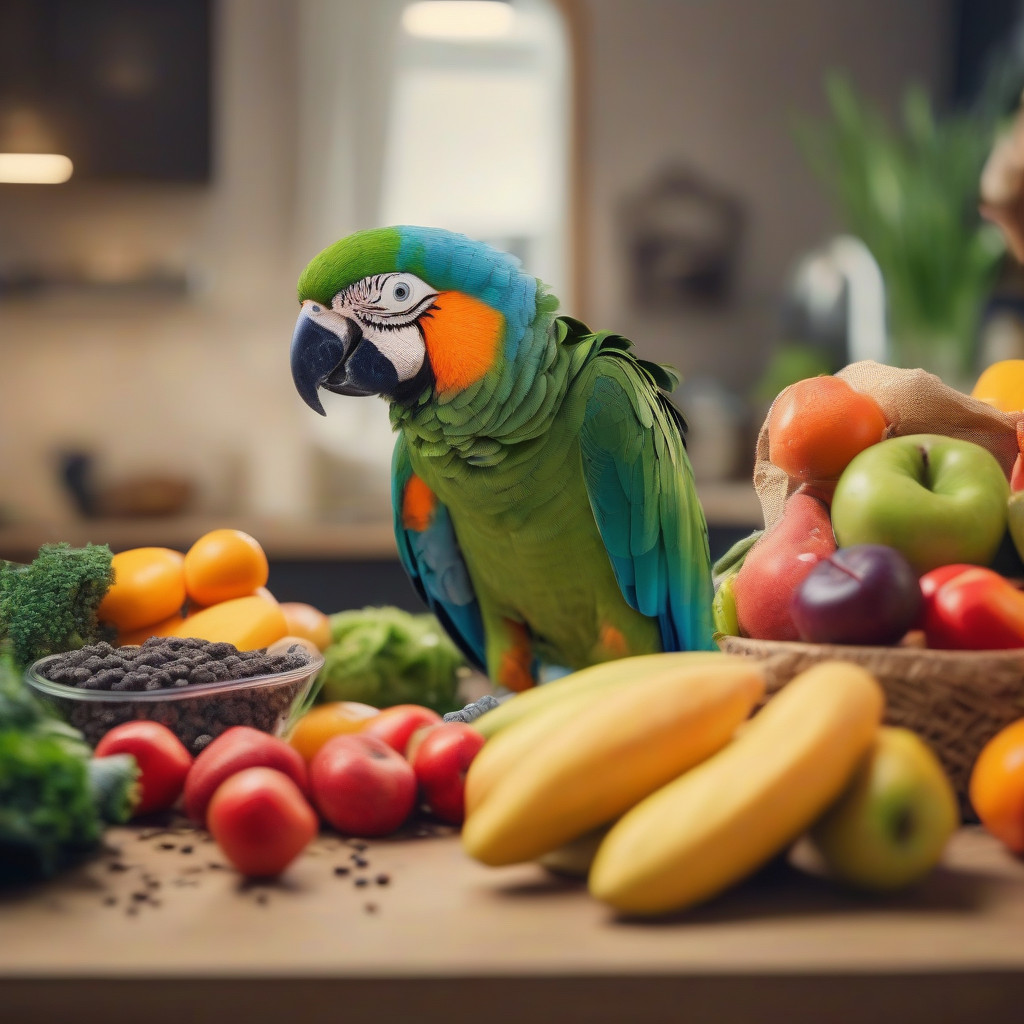
In this article, you will find comprehensive information about the insidious neurobiological effects of artificial colorings, preservatives, and flavors found in commercial bird feeds on your bird's brain health and mental vitality. We explore scientific nutritional secrets to combat these hidden dangers, shedding light on a wide spectrum of effects from behavioral changes to cognitive decline.
In this article, you can discover the scientific secrets to understanding your cat's undesirable habits, deciphering the neurocognitive mechanisms in their brain, and establishing lasting new routines.

Discover the types of burns your dog can suffer, the 5 insidious neurophysiological effects these burns create in the brain and body, and lifesaving emergency intervention strategies in this comprehensive guide. We shed light on the dangers behind forgotten household accidents from a scientific perspective.
Providing only food and water is not enough for your pet birds to live a healthy and happy life. Ultraviolet (UV) light, an invisible miracle, has astonishing neurobiological effects on bird physiology and behavior. Most bird species, unlike humans, have tetrachromatic vision with four types of cone cells, granting them the ability to perceive light in the UV spectrum. This unique ability directly influences how they perceive the world, their social interactions, reproductive cycles, and even their bone health through Vitamin D synthesis. Unfortunately, many birds living indoors are deprived of natural UV radiation, which can lead to many unnoticed health and behavioral problems. In this article, we will explore the profound effects of UV light on bird neurobiology and unveil the scientific secrets to creating an optimal habitat for your feathered friend.
The ability of birds to perceive UV light fundamentally shapes their interactions with the environment. This ability has complex neurobiological effects on how a bird's brain processes and responds to the world.
While humans typically perceive three primary colors (red, green, blue), most birds possess tetrachromatic vision. This means they have a fourth type of cone cell in their eyes, allowing them to see ultraviolet (UV) light. This extra spectrum incredibly broadens a bird's color palette. For instance, feathers that appear plain to us are full of UV-reflecting or absorbing patterns for a bird. This enables them to decipher complex visual signals that play a critical role in mate selection, danger detection, and finding food sources. The perception of UV light activates specific neuronal pathways in the visual cortex, allowing birds to interpret their environment in a richer and more detailed way. This is a crucial part of how birds adapt to environmental changes through their secret communication channels.
UV-B rays are vital for the conversion of provitamin D3 in the skin and feathers of birds into active Vitamin D3. This vitamin is indispensable for calcium absorption and bone health. Insufficient Vitamin D3 can lead to serious health problems such as bone demineralization, leg deformities, and general weakness. Vitamin D3 also influences brain functions, playing a role in neurobiological processes like mood regulation and immune system responses. Therefore, adequate UV-B exposure is essential not only for the physical but also for the mental and neurological well-being of birds. Neurological signs of vitamin and mineral deficiencies in your bird's secret internal chemistry lab can also stem from UV deficiency.
Lack of UV light can disrupt birds' natural behavioral patterns, leading to various problems.
In nature, many bird species select their mates based on UV reflections in their feathers. Bright, UV-reflecting feathers on male birds signal health and genetic superiority to females. Birds living indoors without UV light exposure are deprived of these visual cues, which can lead to reproductive failures, reluctance to mate, and social incompatibilities. These disruptions in the reproductive cycle can increase birds' stress levels and negatively impact their overall well-being.
UV vision also helps birds distinguish food items. Many fruits and seeds reflect UV patterns invisible to humans. UV deficiency can make it difficult for birds to find food and negatively affect their foraging behaviors. Furthermore, UV reflections are important for birds in determining social hierarchy and interactions within their own species. Insufficient UV can lead to misinterpretation or absence of these social cues, triggering intra-group stress and aggressive behaviors.
In their natural habitats, birds benefit from the full spectrum of UV light. This regulates their natural circadian rhythms and influences their overall mood. Insufficient UV exposure can lead to chronic stress, anxiety, and even compulsive behaviors like feather plucking. Your bird's secret feather plucking alarm is often caused by environmental or physiological stress factors, and UV deficiency can be one of these factors. The absence of full-spectrum light can also negatively affect your bird's secret sleep architecture, causing sleep disturbances.
Correct UV lighting setup is vital for your bird's health and happiness.
Various UV lamps are available on the market. Full-spectrum lamps that offer both UV-A and UV-B spectrums should be preferred for birds. UV-A is important for behavioral effects (vision, mate selection), while UV-B is necessary for Vitamin D3 synthesis. The intensity of the lamp should be adjusted according to the bird species and cage size. Too powerful UV-B lamps can cause burns, while insufficient intensity will not provide benefits.
UV lamps should be placed at a distance where direct UV-B rays can reach the bird's feathers, but without causing overheating or eye irritation. Typically, the lamp is positioned about 30-45 cm above the cage. Daily exposure duration should mimic the natural solar cycle, around 10-12 hours per day. This supports your bird's natural play brain functions and overall well-being.
UV lamps lose their UV-B output over time, even though they continue to emit visible light. Therefore, it is critical to replace them regularly according to manufacturer recommendations (usually every 6-12 months). It is also important to clean the lamps regularly to prevent dust accumulation and obstruction of light output.
Conclusion: Improving your birds' quality of life begins with understanding their natural needs. UV light is not just a lighting element but a vital environmental factor that deeply affects birds' neurobiological health, behaviors, and overall well-being. By offering our pet birds the best imitation of their natural environment, we can help them reach their full physical and mental potential. Remember, a healthy bird is a happy bird, and the foundation of this lies in understanding the power of invisible light.
