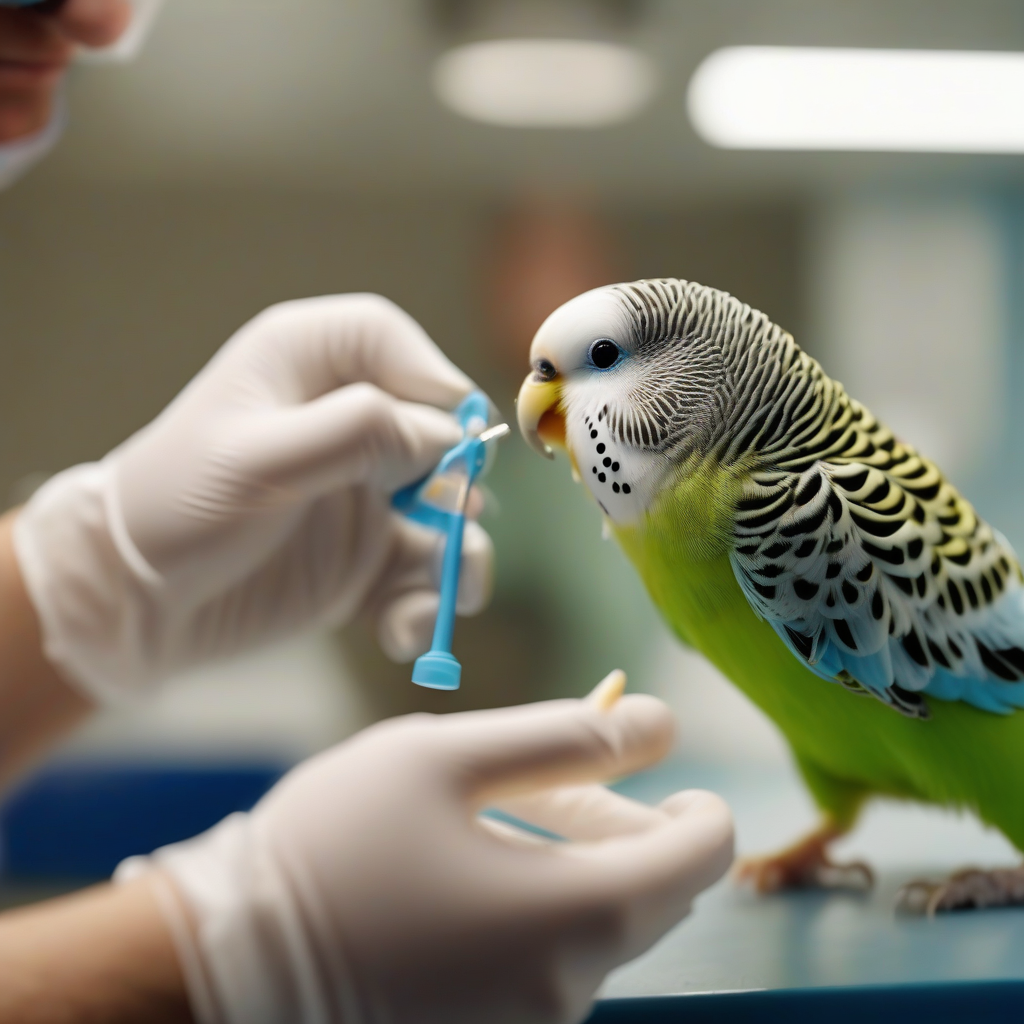
Learn about the hidden neurotoxic dangers your bird might be exposed to and lifesaving intervention codes for these emergencies.


In this article, you can discover the scientific secrets to understanding your cat's undesirable habits, deciphering the neurocognitive mechanisms in their brain, and establishing lasting new routines.

Discover the types of burns your dog can suffer, the 5 insidious neurophysiological effects these burns create in the brain and body, and lifesaving emergency intervention strategies in this comprehensive guide. We shed light on the dangers behind forgotten household accidents from a scientific perspective.

Discover the neurobiological signals of hidden stress your newly adopted cat experiences during adaptation to a new social environment. This article reveals 5 insidious signs of your cat's silent struggle and scientific strategies for peaceful, long-term harmony.
Our pet birds' sensitive metabolisms can be exposed to numerous dangers we might not be aware of. Certain substances, especially those with neurotoxic effects, can rapidly become life-threatening for birds. These substances can affect the bird's brain, nervous system, and overall physiology, leading to sudden health crises. Often, the signs of poisoning progress so insidiously that owners may overlook them. However, early diagnosis and correct first aid intervention can save your bird's life. In this article, we will delve deep into the hidden neurotoxic dangers your bird might be exposed to and the lifesaving intervention codes for these emergencies.
Many substances in our homes that appear harmless to us can be potential sources of poisoning for our birds. Among the most common are:
The first and most critical signs of poisoning in your bird will usually be its effects on the nervous system. These symptoms can vary depending on the type of toxin and the amount of exposure. However, here are 5 critical neurological signals to watch out for:
One of the early stages of poisoning can manifest as a sudden and noticeable change in your bird's normal behavior. Your usually cheerful and active bird might become withdrawn, lethargic, or excessively agitated. More importantly, you may observe significant clumsiness, such as loss of balance, falling, difficulty perching, or bumping into objects. This indicates neurotoxins affecting the cerebellum or the balance center.
If you notice uncontrollable tremors, twitches in the legs or wings, muscle spasms, or a loss of coordination in your bird, this is a serious neurological alarm. These signs indicate the presence of toxins disrupting nerve transmission. Your bird's movements may become shaky and erratic.
In cases of poisoning, involuntary, rapid eye movements (nystagmus) are common. The eyes may constantly dart from side to side or move back and forth. This is a sign of toxins affecting the brain's balance and visual centers. Your bird's gaze may not remain steady, or it may struggle to focus.
Neurotoxins can affect the nerves controlling the respiratory muscles. This can lead to labored breathing, rapid or shallow respiratory movements, and a noticeable increase or irregularity in the heart rate. This symptom is particularly pronounced with toxins ingested via respiration. It's important to consider information on respiratory issues from our article Your Bird's Hidden 'Windpipe Gates': 5 Insidious Respiratory Tract Blockages and Scientific Lung Health Secrets!.
Some neurotoxins can stimulate the nervous system, causing excessive salivation. If your bird is constantly drooling frothy fluid from its mouth or regurgitating its food (which may look like vomiting but could be regurgitation), this can be a sign of poisoning. This can occur due to the effects on nerves controlling the digestive system.
If you notice one or more of the above symptoms in your bird, follow these steps immediately without delay. Remember, in cases of poisoning, even the first 5 minutes can be critical!
The first and most crucial step is to move your bird away from the potential source of the toxin. If you know the substance causing the poisoning (e.g., a spilled chemical), clean the area immediately and prevent your bird from re-exposure. Always review safety measures like those discussed in Your Bird's Secret 'Escape Routes': 5 Unknown Household Safety Threats and Scientific Design Secrets to Erase Stress!.
As soon as you suspect poisoning, reach out to your veterinarian. Clearly state your bird's species, symptoms, the suspected substance (if known), and the timeframe. Your veterinarian will guide you on emergency intervention. It is always important to be prepared for emergencies such as those discussed in Your Bird's Sudden Trauma Shock: 5 Insidious Neurocognitive Signs and Lifesaving Emergency Intervention Secrets!.
Place your bird in a quiet, dark, and calm environment. Avoid sudden temperature fluctuations. If your bird is shivering, you can slightly increase the ambient temperature using a gentle heat source (ensuring it doesn't come into direct contact). Information in our article Your Bird's 'Hidden Climate Control' in the Cage: Neurobiological Secrets of Temperature Hotspots and Scientific Design Principles for a Peaceful Home highlights the importance of correct ambient temperature.
Never attempt to feed or give anything to your bird without your veterinarian's explicit instructions. In some cases, your vet may recommend special solutions to restore electrolyte balance. The fluid balance mentioned in Your Bird's Hidden 'Fluid Balance' Crisis: 5 Insidious Neurophysiological Signs of Electrolyte Loss and Lifesaving Scientific Solutions! is critical in such situations.
Even if you know the toxin, do not try any home neutralization methods without your veterinarian's recommendation. For instance, milk or oil-based substances sometimes suggested for certain poisons can be more harmful to birds. Only follow your veterinarian's directives.
Your bird's health and safety are your responsibility. Being aware of potential 'toxin traps' in your home and recognizing the signs of potential poisoning can save the lives of these delicate creatures. Remember, consulting your veterinarian in any suspicious situation is the most accurate and safest course of action. By reading the hidden signals in your bird's brain and applying the correct first aid steps, you can significantly increase its lifespan and quality of life.
