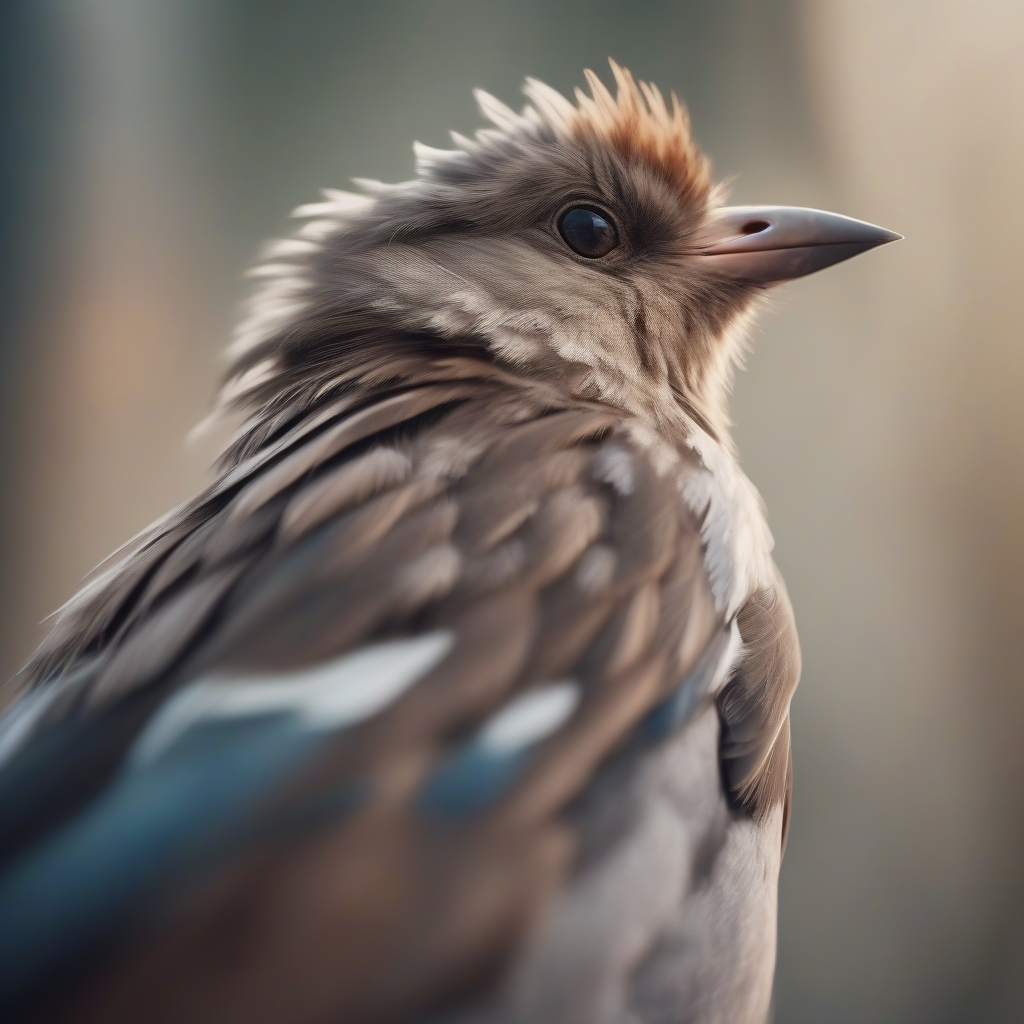
Discover 5 critical neurophysiological signs of electrolyte imbalance in your bird and learn scientific solutions to cope with this vital condition.


Discover the types of burns your dog can suffer, the 5 insidious neurophysiological effects these burns create in the brain and body, and lifesaving emergency intervention strategies in this comprehensive guide. We shed light on the dangers behind forgotten household accidents from a scientific perspective.

Discover the neurobiological signals of hidden stress your newly adopted cat experiences during adaptation to a new social environment. This article reveals 5 insidious signs of your cat's silent struggle and scientific strategies for peaceful, long-term harmony.

Your dog's anal sacs, located beneath the tail, can be hidden alarm bells often overlooked but profoundly affecting their quality of life. In this article, you will discover the 5 insidious neurobiological effects of anal sac problems on the brain and the lifesaving care secrets you need to know for your furry friend to live a peaceful life.
Birds, with their delicate structures and sensitive metabolisms, are highly susceptible to fluid imbalances. Electrolyte loss is a serious health issue that can manifest with insidious symptoms that are difficult to detect and requires prompt intervention. In this article, we will delve into 5 critical neurophysiological signs that may indicate electrolyte loss in your bird and offer life-saving scientific solutions for this condition.
Electrolytes (sodium, potassium, chloride, etc.) perform vital functions such as maintaining the balance of body fluids, ensuring nerve and muscle function, regulating blood pressure, and controlling the movement of water into and out of cells. Disruptions in electrolyte balance in birds can rapidly negatively impact their overall health.
One of the most common yet least understood symptoms of electrolyte loss is behavioral changes. Lethargy, lack of interest, excessive sleeping on the perch, or vacant stares may seem ordinary at first glance. However, these conditions can be a neurophysiological response stemming from disruptions in nerve transmission.
Electrolytes are also essential for the proper functioning of respiratory muscles. Electrolyte imbalances can lead to changes in breathing rate or depth.
Electrolytes also play a role in maintaining skin and feather health. Therefore, electrolyte imbalances can manifest in these areas.
Electrolytes are critical for nerve cell communication. Therefore, electrolyte imbalances can directly affect the nervous system.
Electrolytes play a role in regulating bowel movements and producing digestive fluids. Therefore, electrolyte imbalances can also affect the digestive system.
If you notice one or more of these symptoms in your bird, seeking immediate veterinary attention is crucial. Your veterinarian will perform a series of tests to make an accurate diagnosis and implement the appropriate treatment. These tests often include blood work.
Electrolyte balance in birds is fundamental to their overall health and well-being. Recognizing the neurophysiological symptoms outlined above and seeking prompt veterinary intervention can save your bird's life. Remember, early diagnosis and proper intervention are the most important keys to ensuring your beloved companion leads a healthy life.
