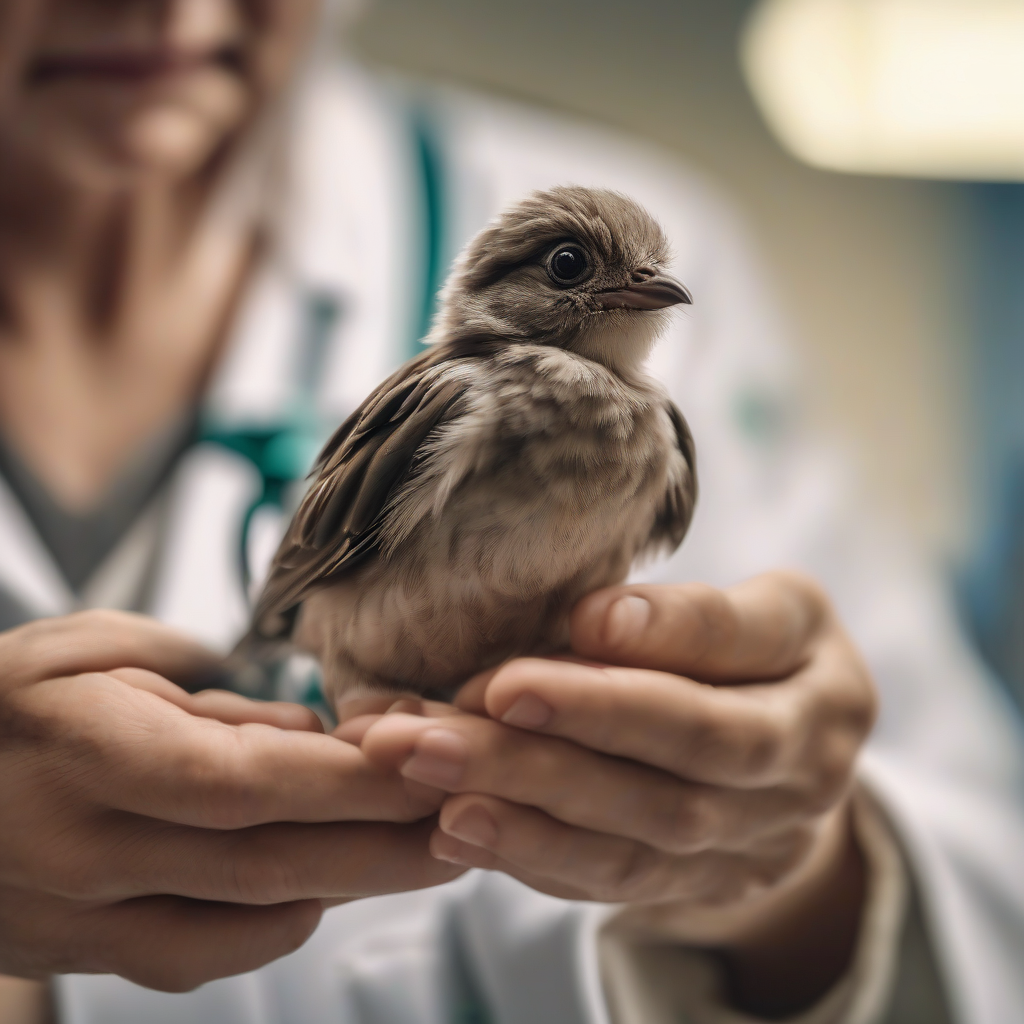
Birds are highly vulnerable to sudden trauma due to their delicate physiology. In this article, you will discover 5 insidious neurocognitive signs of trauma shock in your bird and lifesaving emergency intervention secrets with scientific approaches. Learn how to increase your pet's chances of survival with critical steps to take before reaching a veterinarian.


Discover the types of burns your dog can suffer, the 5 insidious neurophysiological effects these burns create in the brain and body, and lifesaving emergency intervention strategies in this comprehensive guide. We shed light on the dangers behind forgotten household accidents from a scientific perspective.

Discover the neurobiological signals of hidden stress your newly adopted cat experiences during adaptation to a new social environment. This article reveals 5 insidious signs of your cat's silent struggle and scientific strategies for peaceful, long-term harmony.

Your dog's anal sacs, located beneath the tail, can be hidden alarm bells often overlooked but profoundly affecting their quality of life. In this article, you will discover the 5 insidious neurobiological effects of anal sac problems on the brain and the lifesaving care secrets you need to know for your furry friend to live a peaceful life.
Birds, due to their fragile build and high metabolic rate, are extremely sensitive to sudden traumatic events. What might seem like simple incidents – a fall, hitting cage wires, or colliding with a wall or window indoors – can trigger 'trauma shock,' a severe physiological and neurocognitive response in your bird. If not addressed promptly and correctly, this condition can be life-threatening even without obvious external injuries. As of May 2026, recent neurobiological research in veterinary medicine provides us with critical insights to understand the early signs of trauma shock in birds and to take the right steps in emergencies. In this article, we will delve into 5 insidious neurocognitive signs that emerge after a traumatic event your bird might experience, and the lifesaving emergency intervention secrets you can apply until you reach a veterinarian.
Trauma shock is a complex physiological response of the body to a severe injury or stress. In birds, this condition can rapidly worsen, especially due to their high metabolic rates and limited blood volume. During shock, the body prioritizes blood flow to vital organs, restricting it to other areas. This situation can have profound effects, particularly on the brain and nervous system. At a neurocognitive level, the bird's normal behavioral and physiological balance systems are disrupted, leading to the manifestation of subtle but critical signs that are often hard to notice from the outside.
Early recognition of trauma shock is vital for your bird's survival. Delayed intervention can lead to irreversible organ damage or sudden death. Therefore, when a traumatic event occurs or is suspected, it is crucial to observe your bird carefully and correctly interpret the signs.
Birds are masters at hiding pain and discomfort. Therefore, the following neurocognitive signs can be critical warnings that a serious problem exists internally, even if there's no visible external wound.
After trauma, if your bird is normally active or social, you might observe sudden lethargy, withdrawal, or immobility. This is due to the brain restricting activity as a defense mechanism against extreme stress. Scientifically, this is a type of 'frozen response,' causing the bird to become unresponsive to its surroundings and its reactions to slow down. If your bird is typically known for its chirping and activity, this sudden silence and immobility are among the first and most insidious signs.
Trauma shock can directly affect the respiratory system. Your bird may exhibit abnormal breathing patterns such as sudden rapid breathing (tachypnea), open-mouth breathing, or tail bobbing. Even more insidious is shallow and labored breathing. Oxygen deprivation disrupts neuronal activity in the brain, leading to impairments in the bird's cognitive functions (e.g., perception of the environment). These symptoms may resemble those described in the article Your Bird's Hidden 'Silent Suffocation' Alarm: Lifesaving 5-Second Critical Intervention Codes for Sudden Breathlessness! and require immediate intervention.
Disruption of blood flow to the brain and an overloaded nervous system due to trauma adversely affect your bird's balance and coordination. Your bird may be unable to perch, fall, lean to one side, or stumble when walking. Nystagmus (eye twitching) or abnormal head positions can also be signs of neurological damage. Such a neuro-motor lockdown should suggest an internal organ or brain trauma.
Your bird's pupils may suddenly dilate (mydriasis) after trauma or be of different sizes (anisocoria). Their reaction to light may be slow or absent. This indicates that the autonomic nervous system is not functioning correctly due to shock and is a strong sign of affected brain functions. A vacant stare or difficulty perceiving the surroundings may also accompany this condition.
A bird in shock can experience a rapid drop in body temperature (hypothermia) as blood vessels constrict to redirect blood flow to central organs. Paws, beak, and other featherless areas of the skin may turn pale, purplish, or bluish. This condition can parallel the signs of organ failure mentioned in the article Your Bird's Hidden 'Organ Fatigue' Alarm: 5 Insidious Neurophysiological Signs and Emergency Intervention and indicates a serious collapse in the circulatory system.
If you notice any of the above symptoms in your bird, you should contact a veterinarian without delay. However, the steps you take until you reach the vet can significantly increase your bird's chances of survival.
Place your bird in a calm, dimly lit, and quiet environment. You can use a small carrier or box. Most importantly, maintain its body temperature. Provide controlled external heat with a heat lamp (at a safe distance), a hot water bottle (wrapped in a towel), or a heating pad. Leave an area for your bird to escape overheating. Stress will only worsen the shock, so you can apply the peaceful nest principles from the article Your Bird's 'Hidden Stress Reservoirs': 5 Unknown Neurobiological Effects of Cage Placement and the Secret to a Peaceful Home! even in this emergency.
If you see your bird experiencing difficulty breathing, ensure its airway is clear. Check for any foreign objects inside the beak (but be gentle to avoid causing further stress). If there's an obvious obstruction and you're not experienced in intervention, contact a veterinarian immediately. Air quality is also crucial at this stage; the article Your Bird's 'Secret Climate': 5 Neurobiological Secrets of Cage Air Quality and Scientific Protection of Respiratory Health! can provide additional information on this.
If there is external bleeding, try to stop it by applying gentle pressure with a clean cloth or gauze. Depending on the severity of the bleeding, this is a critical first aid step. However, avoid excessive pressure and be careful not to shake your bird further.
Try to keep your bird in as horizontal a position as possible and make it comfortable. Prevent excessive movement. This can help reduce the load on the circulatory system, allowing the body to recover. Do not offer food or water without consulting your veterinarian, as swallowing reflexes may be impaired.
While performing the above steps, also contact your veterinarian. Provide them with complete information about your bird's species, estimated age, when and how the trauma occurred, the symptoms your bird is showing (especially the 5 neurocognitive signs mentioned above), and the interventions you have performed so far. With this information, the veterinarian will be able to guide you most appropriately and be ready to examine your bird. Remember that serious conditions like Your Bird's 'Silent Heartbeat' Crises: 5 Insidious Neurophysiological Signals Triggering Sudden Death Risk and Lifesaving Scientific Intervention Codes! can accompany or be triggered by trauma shock.
The best treatment for trauma shock is prevention. You can prevent accidents by paying attention to cage selection and placement, drawing curtains over windows or placing stickers on glass in areas where your bird flies indoors, and removing dangerous items. Additionally, factors such as cage placement, as highlighted in the article Your Bird's 'Hidden Heat Sources': 5 Unknown Neurobiological Effects of Cage Placement and Nesting Secrets to Erase Stress! can indirectly help reduce the risk of trauma.
In conclusion, early recognition of trauma shock symptoms in your bird and applying the correct emergency intervention can save your tiny friend's life. Always work in cooperation with a veterinarian and keep a bird first aid kit at home. Guided by scientific data, this information will assist you in emergencies.
