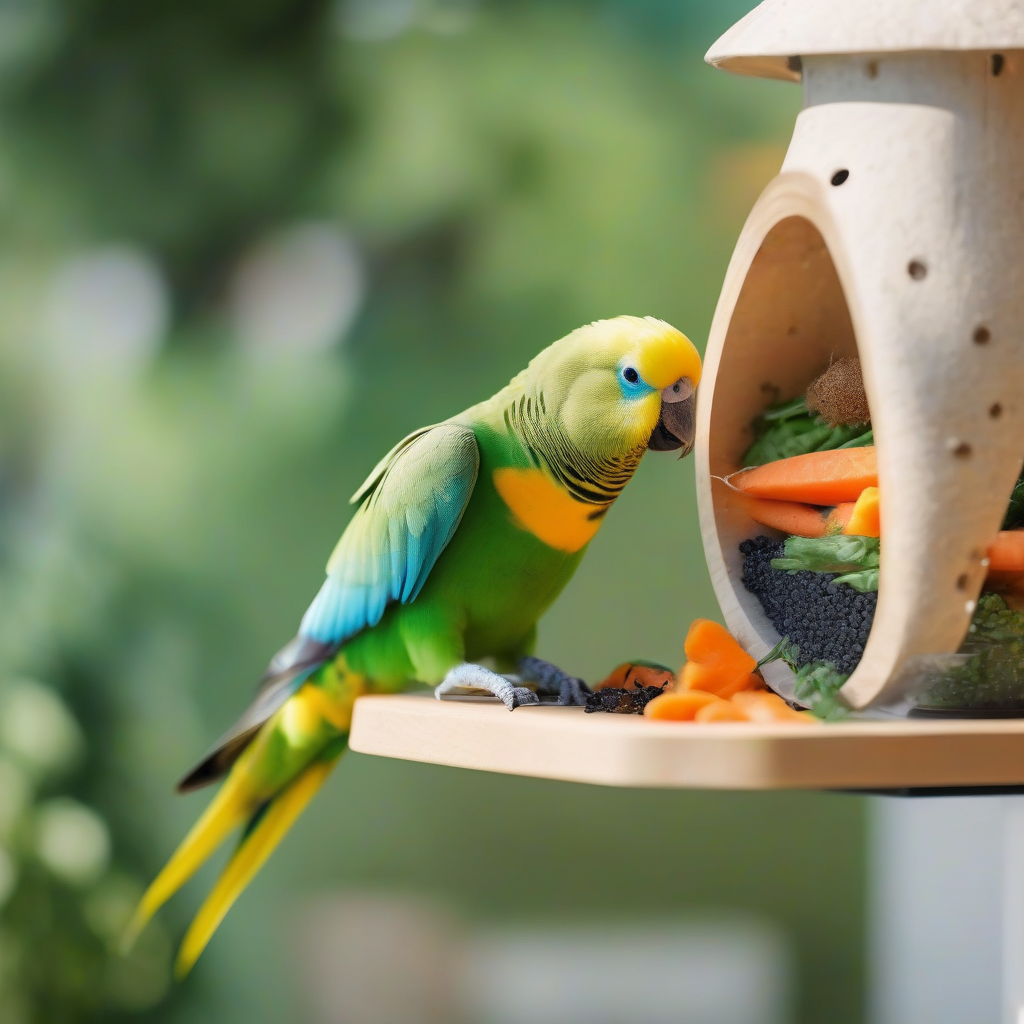
In this article, you will find comprehensive information on the 5 insidious neurophysiological effects of Vitamin A deficiency (Hypovitaminosis A) on a bird's brain and lifesaving scientific nutritional strategies.


In this article, you will find comprehensive information on the neurobiological changes occurring in your dog's brain during separation anxiety and scientifically proven strategies to manage this condition. Delve deep into your dog's fear of being alone to discover the secrets to providing a more peaceful life and happier reunions for them.
In this article, you will find comprehensive information about the importance of proper litter box choice and hygiene in rabbits, delving into the stress and neurobiological impacts of improper practices on their brain, and discovering scientific secrets for a peaceful life.
Discover scientifically-backed neurocognitive secrets to reduce stress and build trust-based cooperation in fish during veterinary interventions. This guide details how to train your fish for routine check-ups and treatments.
As bird owners, prioritizing the health of our feathered companions is paramount. However, sometimes deficiencies in the most fundamental nutrients can lead to insidious damage in the body, especially the brain, before visible symptoms even appear. Vitamin A (retinol), a fat-soluble vitamin, is crucial for birds' immune system, vision, reproduction, and epithelial tissue integrity. Unfortunately, Hypovitaminosis A, or Vitamin A deficiency, is a highly prevalent health issue in pet birds, particularly those fed primarily on seeds. The neurophysiological effects of this condition on the brain are often overlooked and can lead to severe consequences.
Vitamin A plays a critical role in many vital biological processes in the body. It is essential for the healthy development and maintenance of epithelial tissues (the lining of the skin, respiratory tract, digestive system, and reproductive system). It is also a key component of the visual pigment rhodopsin and plays a crucial role in immune function. The most common cause of hypovitaminosis A in birds, especially commonly kept species like budgerigars and canaries, is a monotonous seed-based diet. Seeds are generally poor in beta-carotene, the precursor to Vitamin A, and birds must obtain this essential vitamin from formulated pellets or fresh fruits and vegetables.
Vitamin A deficiency extends beyond physical symptoms, having profound and destructive effects on your bird's central nervous system:
Vitamin A is necessary for the development and maintenance of neurons (brain cells). In cases of deficiency, structural integrity of neuronal membranes can be compromised, negatively impacting nerve transmission. Consequently, birds may exhibit signs of ataxia such as loss of balance, weakened muscle coordination, tremors, and gait abnormalities. This directly impairs the bird's ability to perceive its environment and move.
The role of Vitamin A in vision is well-known; it is indispensable for rhodopsin production. Deficiency initially leads to night blindness, and in advanced cases, it can cause permanent retinal damage and severe vision loss. A lesser-known effect is on the health of epithelial cells in the inner ear. Hypovitaminosis A can cause metaplasia (change in cell type) in these delicate cells, affecting hearing. These sensory losses severely restrict a bird's natural foraging ability and its capacity to follow environmental cues.
The brain's cognitive functions are directly linked to adequate nutrition. Vitamin A deficiency can lead to a significant decline in learning ability, memory formation, and problem-solving skills in birds. Your bird may become less curious, less interactive, and struggle to cope with new situations. These cognitive impairments reduce overall quality of life and can increase susceptibility to stress. In some cases, apathy, depression-like states, and even increased anxiety may be observed.
Vitamin A has indirect effects on the synthesis and metabolism of neurotransmitters. Specifically, the balance of neurotransmitters like serotonin and dopamine, which regulate mood, motivation, and reward systems, can be disrupted. This can lead to fluctuations in the bird's general mood, behavioral problems, and an increased chronic stress response. These imbalances in neurotransmitter levels also negatively impact a bird's social interactions and learning processes.
Hypovitaminosis A compromises the integrity of mucous membranes, making birds more vulnerable to bacterial, viral, and fungal infections. Metaplasia of epithelial cells in the respiratory tract reduces resistance to pathogens like air sac mites. These secondary infections can spread to the brain meninges, leading to severe neurological complications such as seizures, paralysis, and even death from meningoencephalitis. Poor nutrition leaves your bird vulnerable to such dangers.
Taking proactive steps to protect your bird from the devastating effects of hypovitaminosis A and to improve an existing condition is vital:
Regular veterinary check-ups are essential for your bird's lifelong health. Your veterinarian can provide insights into your bird's nutritional status, detect deficiencies through blood tests, and create a personalized feeding plan. Remember that your bird's diet directly impacts not only its physical health but also its mental acuity, behavior, and quality of life. With a scientifically grounded, balanced diet, you can protect your bird's brain health and offer it a long, happy life.
