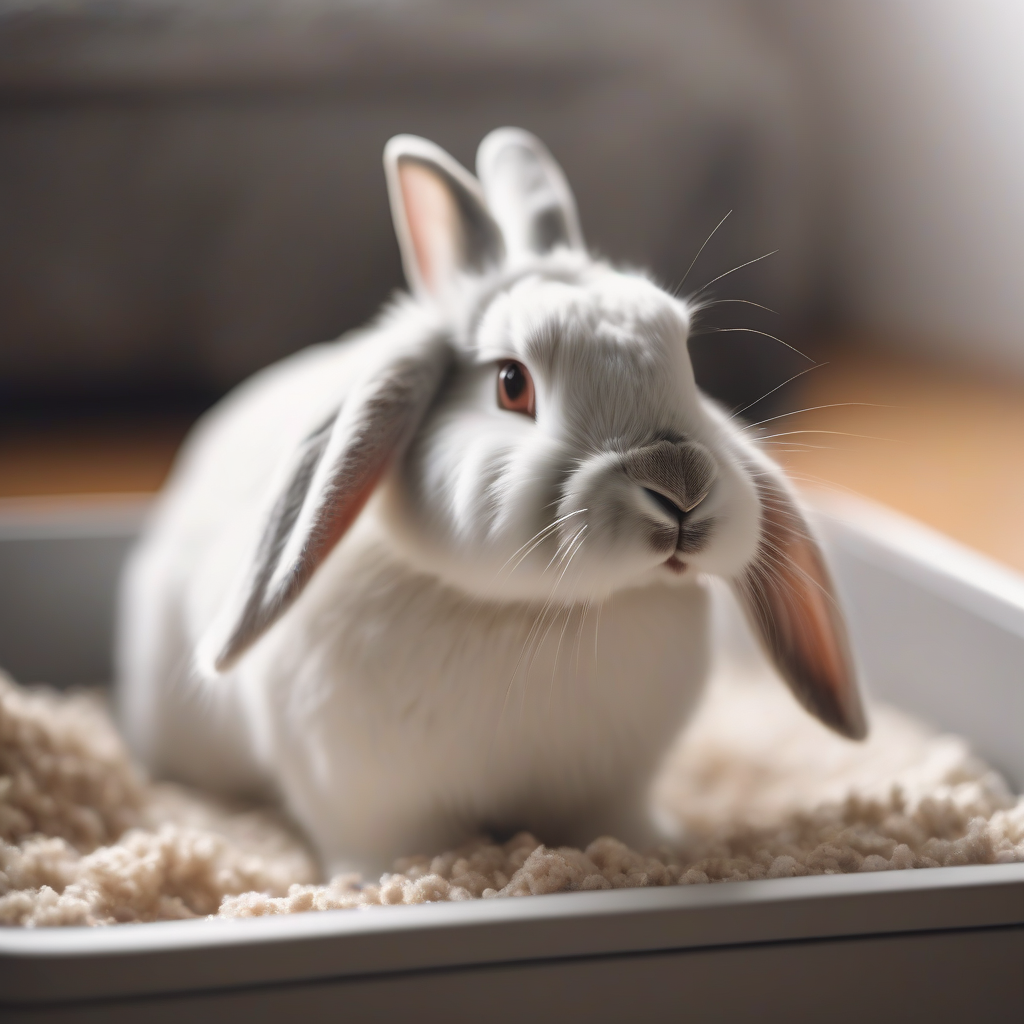
In this article, you will find comprehensive information about the importance of proper litter box choice and hygiene in rabbits, delving into the stress and neurobiological impacts of improper practices on their brain, and discovering scientific secrets for a peaceful life.

In this article, you will find comprehensive information about the importance of proper litter box choice and hygiene in rabbits, delving into the stress and neurobiological impacts of improper practices on their brain, and discovering scientific secrets for a peaceful life.
Discover scientifically-backed neurocognitive secrets to reduce stress and build trust-based cooperation in fish during veterinary interventions. This guide details how to train your fish for routine check-ups and treatments.
In this article, you will find the importance of choosing the right exercise wheel for your hamster, the insidious neurobiological effects of incorrect wheel usage on the brain beyond physical health, and scientific solutions for optimal mental vitality.
Contrary to popular belief, rabbits are remarkably clean animals that value their litter habits. Proper litter box setup and regular hygiene are crucial not only for the cleanliness of your home but also for your rabbit's physical and mental well-being. But what insidious neurobiological effects can this seemingly simple care routine create in your rabbit's brain when performed incorrectly? In this article, we will examine this hidden stress and its effects from a scientific perspective, discovering the keys to providing your rabbit with a peaceful life.
A rabbit's litter box is not just an area for elimination; it's also a safe haven and a comfort zone. Incorrect choice of this area can negatively impact the animal's cognitive processes and general behavior.
A litter box that is too small prevents your rabbit from comfortably turning around, positioning itself, and feeling secure. This situation creates a constant 'threat perception' in the brain, leading to overactivation of stress-response regions such as the amygdala and hypothalamus. Chronic stress can increase cortisol levels, impairing the function of the prefrontal cortex (involved in decision-making and problem-solving) and triggering your rabbit's general restlessness. A small space also leads to urine and feces spilling out, increasing the animal's contact with its own waste, which perpetuates a cycle of poor hygiene and discomfort.
The material of the litter box and the type of litter used are also of great importance. Hard, sharp-edged, or slippery materials can harm your rabbit's paws, creating physical pain and stress. Porous materials like plastic can trap urine odor over time, constantly bothering the animal's sense of smell. Particularly synthetic or chemically scented litters can irritate rabbits' sensitive respiratory tracts and olfactory senses. These chemical exposures can lead to abnormal activity in the brain's odor-related regions (olfactory bulb) and trigger chronic inflammatory responses. This can indirectly affect the animal's overall well-being and nervous system health, as discussed in Your Rabbit's Brain's 'Hidden Microbiome War': 5 Insidious Neurobiological Effects of Gut Dysbiosis and Scientific Solutions for Mental Vitality!.
The location of the litter box plays a critical role in the rabbit's psychology. A noisy, high-traffic, or unsafe-feeling location (e.g., in the middle of an open hallway) can cause the rabbit to hesitate to relieve itself. This can lead to urine retention and associated health problems. Rabbits generally prefer a corner or a secluded spot. A litter box in a safe and quiet place helps the rabbit feel relaxed and secure, which lowers stress levels in the brain and supports natural behavioral patterns. This is also closely related to Your Rabbit's 'Hidden Territorial Signals': 5 Insidious Neurocognitive Effects of Scent Marking on the Brain and Scientific Secrets for a Harmonious Life!.
A dirty litter box not only emits foul odors but also poses a serious threat to your rabbit's neurological health.
Urea in rabbit urine is converted to ammonia by bacteria. Ammonia vapor accumulating in an inadequately cleaned litter box irritates the rabbit's respiratory tract and causes burning in its eyes. More importantly, ammonia can cross the blood-brain barrier and exert direct toxic effects on the nervous system. Ammonia can disrupt neurotransmitter balance (especially glutamate and GABA), leading to anxiety, restlessness, lethargy, and even cognitive dysfunction. Chronic ammonia exposure can cause inflammation in brain tissue and damage to nerve cells, severely reducing your rabbit's quality of life.
A dirty litter box is a breeding ground for pathogenic bacteria like E. coli and Salmonella, as well as parasites like Coccidiosis. Rabbits can easily ingest these microorganisms by cleaning their paws after using the litter box or through grooming. This leads to serious digestive system infections and can cause problems such as Your Rabbit's 'Hidden Parasite Storm' in the Gut: 5 Insidious Neurometabolic Effects of Coccidiosis on the Brain and Lifesaving Scientific Solutions! and gut dysbiosis. Given the strong connection between the gut microbiome and the brain (the brain-gut axis), disruptions in gut health can increase neuroinflammation in the brain, predisposing to mood changes, cognitive issues, and general behavioral abnormalities. Furthermore, such infections also increase the risk of Your Rabbit's 'Insidious Bowel Paralysis' Nightmare: 5 Neurophysiological Effects of Acute Gastrointestinal Stasis on the Brain and Lifesaving Emergency Intervention Codes!.
Ensuring an optimal elimination area for your rabbit involves critical steps for their physical and neurobiological health.
The litter box should be large enough for your rabbit to move around, lie down, and turn comfortably. Its depth should be high enough to prevent urine splashing but low enough for the rabbit to easily enter and exit. For material, easy-to-clean, non-porous, and smooth plastic is ideal. For litter, absorbent and natural materials such as fresh hay (often encourages elimination), recycled paper-based pellets, or wood shavings (avoid toxic ones like pine/cedar) should be preferred. Scented litters or cat litter (bentonite clay is dusty and harmful to rabbits) should never be used.
The litter box should be checked daily for feces and urine, and soiled areas should be cleaned. At least 2-3 times a week, it should be completely emptied, washed with soap and hot water, then thoroughly rinsed and dried. A mixture of vinegar and water is a natural option for odor removal and disinfection. Regular cleaning prevents ammonia buildup, minimizing its toxic effects on the respiratory and nervous systems. This routine also ensures that other care processes, like Your Rabbit's 'Hidden Stress Sparks': 5 Insidious Neurophysiological Effects of Nail Trimming on the Brain and Scientific Secrets for Painless Care!, are less stressful for your rabbit because they generally live in a more peaceful environment.
Rabbits naturally tend to choose a single area for elimination. Observing this tendency and placing the litter box in their most frequently used area facilitates training. If you have a new rabbit, use positive reinforcement (treats, praise) when guiding it to the litter box. Leaving some feces or urine-soaked hay in the box can help it identify the correct spot. Be patient and never punish accidents, as this only increases stress. Consistency and understanding will ensure your rabbit successfully learns litter training and lives a more neurobiologically balanced life.
Your rabbit's litter box choice and hygiene are important care details that should not be underestimated for their overall health and happiness. Improper practices can create insidious neurobiological effects in their brain through hidden stress factors. Providing an optimal elimination environment will protect not only your rabbit's physical health but also its cognitive functions, mood, and overall quality of life. Remember, a happy rabbit is a healthy rabbit, and this happiness is hidden in small details. If you notice any behavioral changes or health problems, always consult a veterinarian.
