In this article, you will find the importance of choosing the right exercise wheel for your hamster, the insidious neurobiological effects of incorrect wheel usage on the brain beyond physical health, and scientific solutions for optimal mental vitality.

In this article, you will find the importance of choosing the right exercise wheel for your hamster, the insidious neurobiological effects of incorrect wheel usage on the brain beyond physical health, and scientific solutions for optimal mental vitality.

In this article, you will find comprehensive information on the insidious neurophysiological effects of life-threatening acute gastrointestinal stasis (GI stasis) on the rabbit's brain, and the lifesaving scientific intervention codes you must apply in this emergency situation.

In this article, you will discover how your cat remembers hidden spaces and objects at home, the neurocognitive foundations of this process, and how we can use this knowledge for their well-being.
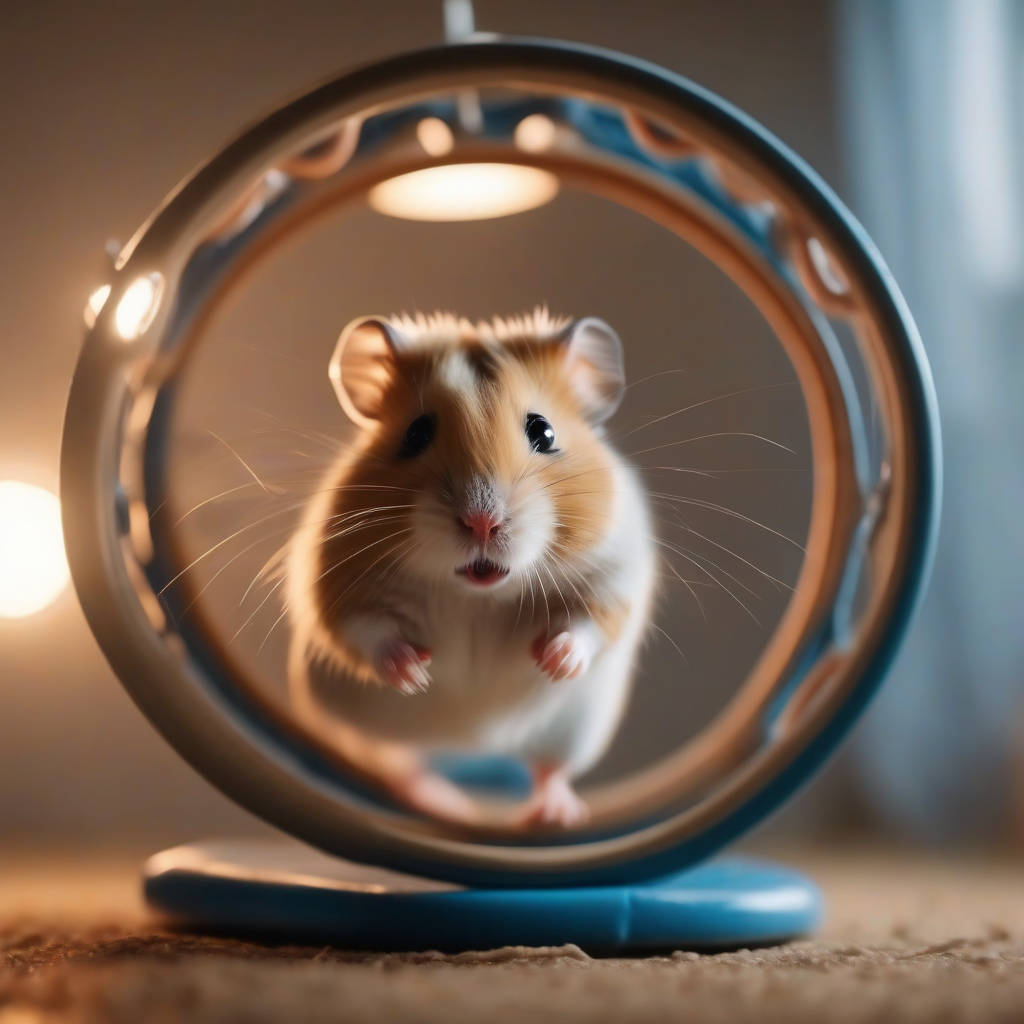
Hamsters, by nature, are constantly moving, energetic, and curious creatures. In the wild, these small companions can travel for miles at night, making adequate physical activity in a cage environment critical for their overall health and mental well-being. An exercise wheel is one of the most fundamental ways to meet this need. However, the often underestimated choice of an exercise wheel can lead not only to physical injuries but also to a series of problems known as 'Hidden Wheel Syndrome,' causing insidious neurobiological effects on your hamster's brain. So, how does a wrong exercise wheel affect your hamster's brain, and how can we overcome these issues?
An incorrectly chosen exercise wheel can profoundly affect your hamster's mood, learning ability, and overall quality of life, not just their joints or spine. These effects often go unnoticed due to a lack of obvious symptoms and can lead to serious long-term health problems.
Most commercial exercise wheels are not the appropriate size for hamsters. Even for dwarf hamsters, a wheel that is too small forces the animal to run with its spine bent backward. This can lead to chronic pain, spinal damage, and restricted movement over time. Chronic pain and physical discomfort trigger a continuous stress response in the brain. This can reduce neuroplasticity in brain regions associated with learning and memory, such as the hippocampus, and increase the animal's sensitivity to environmental stimuli. A hamster experiencing constant discomfort will have reduced cognitive performance, impaired learning ability, and difficulty adapting to new experiences. As discussed in our article, Your Hamster's 'Brain Flexibility' Code: 5 Neurocognitive Secrets to Changing Old Habits and Advanced Training Tactics!, brain flexibility can be severely impacted by stress.
Wire or mesh-surfaced exercise wheels can cause severe injuries, even toe loss, as hamsters' tiny paws get stuck between the gaps. Such painful experiences create lasting traumatic memories in the brain. Brain regions responsible for fear and anxiety, like the amygdala, become over-activated, leading the animal to be constantly on alert, develop insecurity towards its surroundings, and experience elevated general anxiety levels. This continuous state of alarm restricts the hamster's exploratory behaviors and inhibits its natural instincts. This chronic stress in a hamster's brain can create effects similar to the adaptation problems detailed in the article Your Newly Adopted Hamster's 'Hidden Stress Brain': 5 Insidious Neurobiological Effects of the First 72 Hours and Scientific Secrets for Peaceful Adaptation!.
Cheap, low-quality exercise wheels often produce squeaky noises. Hamsters have extremely sensitive hearing, and constant high-frequency noise is a chronic source of stress for them. Continuously high levels of stress hormones (like cortisol) in the brain can impair the function of regions like the prefrontal cortex, which is involved in decision-making and problem-solving. This can lead to a decline in the animal's cognitive functions, irritable behaviors, and disturbed sleep patterns. Our content titled Your Hamster's 'Silent Auditory Labyrinth': 5 Insidious Neurophysiological Effects of High-Frequency Noise on the Brain and Scientific Solutions for a Peaceful Living Space! delves deeper into this issue.
Some exercise wheels have a completely enclosed design or do not allow for adequate airflow. Hamsters breathe rapidly while running on the wheel and have high oxygen demands. Insufficient ventilation can lead to carbon dioxide buildup and decreased oxygen levels inside the wheel. Chronic or recurrent oxygen deficiency (hypoxia) can cause damage to brain cells, particularly affecting mitochondrial function and disrupting energy production. This can result in a decline in cognitive performance, lethargy, and even behavioral changes.
The complete absence or inadequate use of an exercise wheel leads to serious behavioral problems in hamsters. Lack of exercise reduces the production of feel-good neurotransmitters like endorphins and serotonin in the brain. This can lead to depression-like symptoms such as anhedonia (loss of ability to experience pleasure), lethargy, eating disorders, stereotypic behaviors like bar chewing, or excessive fur pulling. Environmental enrichment is critically important for hamsters, and this is extensively explained in the article Your Hamster's 'Cognitive Labyrinth' Need: 5 Insidious Neurobiological Effects of Insufficient Environmental Complexity on the Brain and Secrets to Mental Enrichment!.
Choosing the right exercise wheel is crucial for protecting your hamster's physical and mental health. Here's what you need to consider:
Some hamsters may prefer disc-shaped running plates over vertical wheels. Offering different options allows the animal to make its own choices and increases cognitive stimulation. In addition to the wheel, a balanced diet, as stated in Your Hamster's 'Hidden Micronutrient Hunger': 5 Insidious Neurobiological Effects of Vitamin and Mineral Deficiencies on the Brain and Scientific Nutrition Secrets for Optimal Intelligence!, is also crucial for mental vitality.
Your hamster's exercise wheel is not just an exercise tool; it is a critical life element that directly impacts their physical health, mood, and cognitive functions. Choosing the right wheel is fundamental to responsible hamster ownership to protect against the insidious neurobiological effects of 'Hidden Wheel Syndrome.' By providing the most suitable, safe, and stimulating exercise wheel for your little friend, you can offer them a longer, healthier, and mentally enriched life. Remember, for a happy hamster, the right equipment, combined with love and care, makes a real difference.
