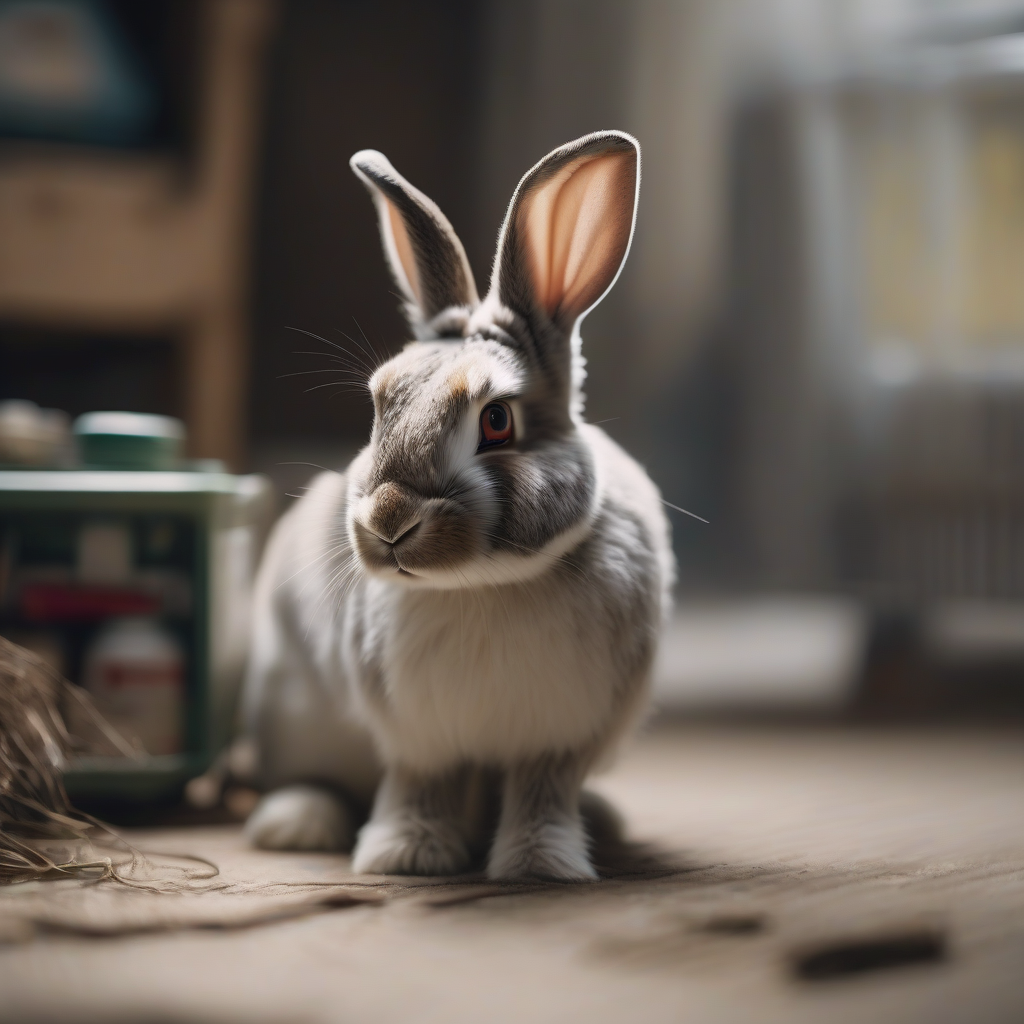
In this article, you will find comprehensive information on the insidious neurophysiological effects of life-threatening acute gastrointestinal stasis (GI stasis) on the rabbit's brain, and the lifesaving scientific intervention codes you must apply in this emergency situation.

In this article, you will find comprehensive information on the insidious neurophysiological effects of life-threatening acute gastrointestinal stasis (GI stasis) on the rabbit's brain, and the lifesaving scientific intervention codes you must apply in this emergency situation.
In this article, you will discover how your cat remembers hidden spaces and objects at home, the neurocognitive foundations of this process, and how we can use this knowledge for their well-being.

In this article, you will discover how over-bathing and incorrect shampoo choices affect your dog's skin barrier, their insidious neurobiological reflections in the brain, and scientific strategies to protect skin health.
Rabbits, behind their adorable appearance, possess a highly delicate digestive system. Among the nightmares of every rabbit owner, Gastrointestinal Stasis (GI Stasis) stands out. This condition, meaning a slowdown or complete cessation of bowel movements, is a life-threatening emergency requiring rapid intervention. However, the effects of GI stasis are not limited to the intestines; it triggers insidious neurophysiological processes that deeply affect all body systems, especially the brain. As of August 2026, understanding this complex connection and knowing the correct emergency intervention strategies are key to saving your rabbit's life.
The rabbit's digestive system is governed by a complex neural network known as the enteric nervous system (ENS). The ENS, also called the 'second brain,' regulates bowel motility, blood flow, and digestive secretions. The vagus nerve is the main highway of this gut-brain axis; it transmits the state of the intestines to the brain and carries commands from the brain to the intestines. When GI stasis begins, pain, inflammation, and bacterial imbalance (dysbiosis) in the intestines disrupt this neural communication. This disruption triggers a series of neurophysiological reactions affecting the central nervous system, profoundly shaking your rabbit's physical and mental state.
GI stasis causes severe abdominal pain in rabbits. This pain leads to the release of stress hormones (like cortisol) and inflammatory cytokines. These neurochemicals cross the blood-brain barrier, reaching the brain and potentially causing inflammation, neuronal damage, and even cognitive dysfunction in brain regions. While chronic stress and pain negatively affect your rabbit's learning ability, memory, and general well-being, acute conditions lead to sudden behavioral changes and a worsening vicious cycle. Our article Your Rabbit's 'Hidden Stress Sparks': 5 Insidious Neurophysiological Effects of Nail Trimming on the Brain and Scientific Secrets for Painless Care! also provides valuable insights into the neurophysiological effects of stress.
Acute gastrointestinal stasis creates a series of hidden and dangerous neurophysiological effects in your rabbit's brain. Knowing these is critically important for early diagnosis and emergency intervention.
The intense abdominal pain caused by GI stasis overstimulates the pain perception centers in the brain cortex. This leads to sudden changes in the rabbit's behavior, constant hiding, teeth grinding, and hypersensitivity to touch. Chronic or exacerbated pain signals can disrupt the structural integrity of brain cells, altering the rabbit's normal pain threshold and prolonging the recovery process.
GI stasis causes a severe imbalance in the autonomic nervous system, which controls involuntary bodily functions. Overactivation of the sympathetic nervous system leads to fluctuations in blood pressure, irregularities in heart rate, and vasoconstriction in peripheral vessels. This can reduce blood flow to the brain and increase the risk of cerebral hypoxia. In severe cases, this imbalance can pave the way for vascular shock and multiple organ failure, causing permanent damage to brain functions. This condition triggers similar emergency reactions in other animal species, as examined in the article Your Cat's 'Sudden Swelling Nightmare': 5 Insidious Neurophysiological Effects of Anaphylactic Shock in the Brain and Lifesaving Emergency Intervention Codes! regarding the vascular effects of anaphylactic shock.
When bowel motility ceases, toxins (such as ammonia and endotoxins) that should normally be expelled begin to accumulate in the intestines. These toxins cross the intestinal barrier into the bloodstream and from there to the brain. In the brain, they exert neurotoxic effects, damaging neuronal cells, triggering edema, and impairing cognitive functions. Lethargy, disorientation, tremors, and even seizures in rabbits can be signs of this toxin accumulation. For more information on the neurotoxic effects of poisoning, you can refer to our content titled Your Rabbit's 'Hidden Poison Map': 5 Neurotoxic Shocks Triggered by Insidious Household Chemicals & Plants and Lifesaving Emergency Intervention Codes!.
Rabbits experiencing GI stasis often refuse to eat and drink. This rapidly leads to dehydration and an imbalance of essential electrolytes like sodium and potassium. Brain functions depend on a delicate electrolyte balance. Electrolyte imbalance disrupts the ability of neurons to transmit electrical signals, which can lead to neuronal dysfunction resulting in mental dullness, lack of coordination, and even coma.
Severe pain and stress cause the rabbit's body to release high levels of cortisol and endorphins. While endorphins may initially mask pain, in the long term or when released imbalanced, they disrupt the rabbit's natural mood and stress-coping mechanisms. This can manifest as depressive behaviors, anxiety, and disinterest in the environment, negatively affecting the recovery process. Articles like Your Rabbit's Brain's 'Hidden Microbiome War': 5 Insidious Neurobiological Effects of Gut Dysbiosis and Scientific Solutions for Mental Vitality! also explain the profound effects of gut health on overall mental and emotional well-being.
GI stasis is an emergency. The following steps are critical to take to save your rabbit's life:
Any rabbit showing signs of GI stasis should be taken to a veterinarian without delay. Early diagnosis and professional intervention significantly increase the chances of recovery. Once diagnosed, aggressive fluid therapy, pain relief, prokinetics to increase gut motility, and treatments to evacuate stomach contents may be administered.
Keep your rabbit warm until you can reach the vet (e.g., with a warm water bottle wrapped in a towel). With your veterinarian's instruction, you can offer water or electrolyte solutions via syringe. Very gentle abdominal massage may help stimulate bowel movements, but you should not do it if you don't know the correct technique or are unsure it won't worsen the condition. Additionally, as stated in Your Rabbit's 'Hidden Hairball Bomb': 5 Insidious Neurobiological Effects of Insufficient Grooming on the Brain and Lifesaving Scientific Solutions!, preventing hairball formation also reduces the risk of GI stasis.
The veterinarian will administer specific pain relievers to control your rabbit's pain. Prokinetic drugs and probiotics may also be prescribed to increase bowel movements. Nutritional support is critical to stimulate appetite and revitalize the digestive system. High-fiber, easily digestible foods or syringe feeding may be necessary. The importance of fibrous foods during this period and the importance of dietary diversity mentioned in Your Rabbit's 'Monotonous Diet Syndrome': 5 Insidious Neurobiological Collapses in the Brain and Scientific Diversification Secrets for Optimal Mental Health! will support the recovery process.
Rabbits recovering from GI stasis require careful monitoring for bowel motility to return completely to normal. Gradual reintroduction to a regular diet, along with plenty of fresh hay and water, is essential. Furthermore, due to the potential neurophysiological effects of GI stasis on the brain, you should inform your veterinarian if you notice any abnormalities in your rabbit's behavior or coordination. Full recovery requires the rebalancing of the gut-brain axis.
Acute GI stasis is both a physical and neurological emergency for rabbits. By understanding these insidious effects and lifesaving intervention codes, you can help your furry friend live a healthy and happy life. Remember, consulting a veterinarian whenever in doubt is always the right approach.
