
In this article, you will find comprehensive information on what anaphylactic shock is in cats, its insidious neurophysiological effects on the brain, and lifesaving emergency intervention codes during this critical situation.

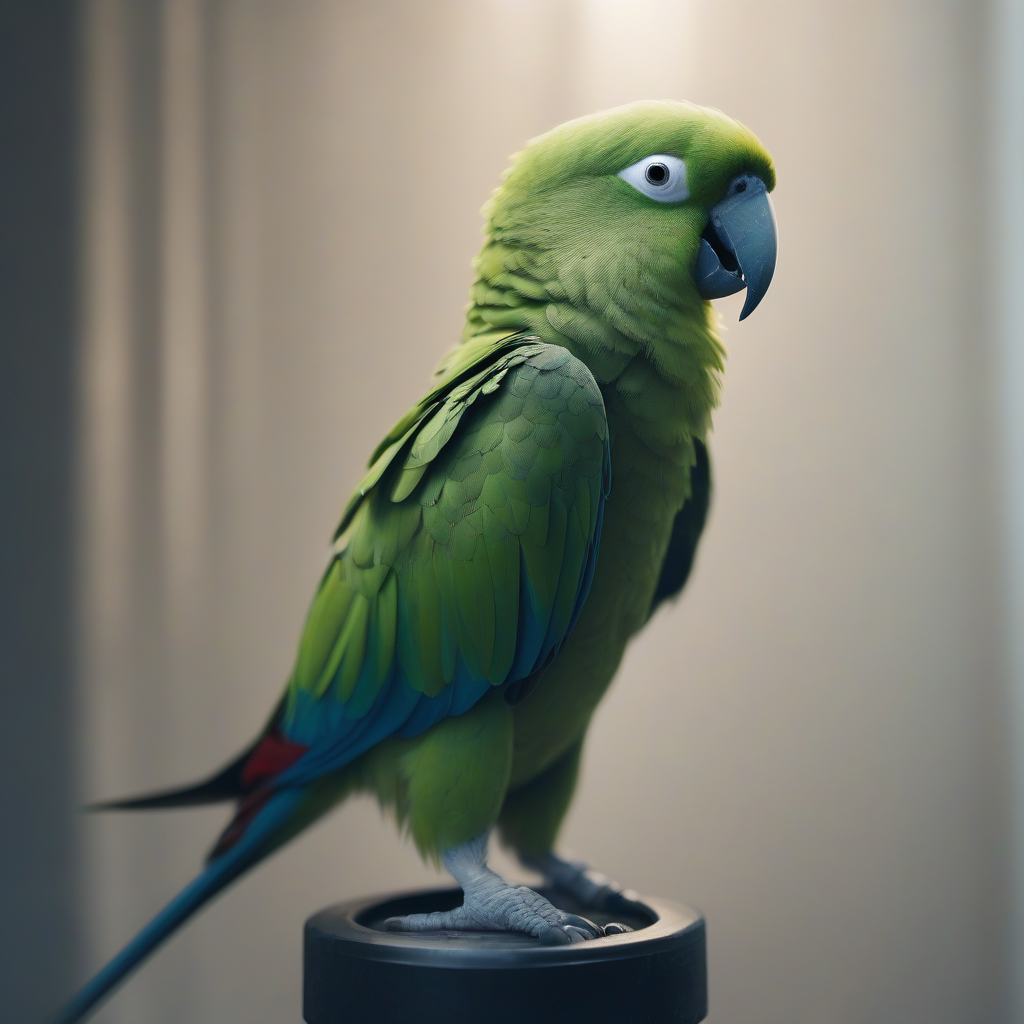
In this article, you will find comprehensive information on the insidious neurotoxic effects of lead poisoning on the bird's brain and lifesaving emergency intervention codes.

While cats possess a surprising ability to adapt to high-rise fall traumas, the insidious neurophysiological effects on their brain carry vital risks. In this article, we reveal 5 critical neurobiological effects your cat may experience after a fall and the lifesaving emergency intervention codes with scientific secrets.

In this article, you will discover how your rabbit copes with unexpected situations and its neurocognitive responses to non-routine events. Learn scientific secrets to enhance mental flexibility and manage stress.
The health of our beloved pets is always our priority, but sometimes we can encounter life-threatening situations when we least expect them. Anaphylactic shock in cats is a severe allergic reaction that the body overreacts to a specific substance, progressing within seconds or minutes. This condition is not limited to outwardly visible symptoms; it also leads to devastating and insidious neurophysiological effects on your cat's brain functions. As a cat owner, recognizing this emergency and responding correctly is key to saving your furry friend's life.
Anaphylactic shock usually begins with triggers like insect stings, certain vaccines, medications, or foods. The body perceives these substances as a threat, and the immune system overreacts by releasing histamine and other chemicals. These chemicals cause blood vessels to dilate, blood pressure to drop, respiratory passages to swell, and organ functions to impair. The brain is one of the organs most affected by these sudden and severe changes, carrying the risk of irreversible damage.
Anaphylactic shock causes a series of chain reactions in your cat's brain. Understanding these effects will help you grasp the severity of the situation:
One of the most prominent effects of anaphylactic shock is the sudden and widespread dilation of blood vessels (vasodilation). This leads to a rapid drop in blood pressure (hypotension). The brain is highly dependent on regular and adequate blood flow. This sudden drop in blood pressure severely impairs cerebral perfusion, which supplies the brain with oxygen and nutrients. When brain tissue does not receive enough blood, cells cannot produce energy and rapidly begin to lose function. This can cause your cat to show symptoms such as confusion, weakness, or fainting.
During an anaphylactic reaction, edema (swelling) can rapidly form in the cat's airways, especially in the larynx and bronchi. This swelling narrows the airway, making breathing extremely difficult. Respiratory distress leads to a critically low level of oxygen in the bloodstream (hypoxemia). The brain is extremely sensitive to oxygen deprivation, and even severe hypoxia lasting only minutes can lead to neuronal damage and permanent brain function loss. This situation creates an oxygen deficit similar to what is described in the article Your Cat's 'Breathing Nightmare': Hidden Choking Risks, 5 Insidious Neurophysiological Effects in the Brain, and Lifesaving Emergency Intervention Codes!.
The underlying cause of anaphylactic shock is the massive release of histamine from immune cells (especially mast cells). While histamine has many effects throughout the body, it also functions as a neurotransmitter in the brain and can increase the permeability of the blood-brain barrier. This can disrupt the normal balance of neurotransmitters in the brain, leading to over-excitation or inhibition. Behavioral changes such as sudden agitation, disorientation, or extreme lethargy in your cat can be a result of this chemical storm.
Anaphylaxis leads to a severe systemic inflammatory response affecting the entire body. This inflammation can compromise the integrity of the blood-brain barrier (BBB), which normally protects the brain from harmful substances. Increased BBB permeability allows potentially harmful substances to leak into brain tissue and cause neuroinflammation. This increases the risk of brain edema and can predispose to neuronal damage, leading to long-term neurological problems.
Hypotension and hypoxia during shock can also strain the heart. While the heart struggles to pump enough blood to the body, it may also experience disturbances in its rhythm (dysrhythmias). The decrease in cardiac output (the amount of blood pumped from the heart) and possible dysrhythmias further reduce blood flow to the brain, increasing the risk of cerebral ischemia (insufficient blood flow to brain tissue). This is a critical danger that can lead to the death of brain cells and permanent neurological deficits.
If you observe symptoms of anaphylactic shock in your cat, every second counts. A quick and correct response can save a life.
The symptoms of anaphylactic shock begin suddenly and worsen rapidly. If you notice symptoms such as sudden facial swelling (especially eyelids and lips), difficulty breathing (rapid, noisy breathing), severe vomiting or diarrhea, weakness, trembling, collapse, or loss of consciousness in your cat, you must act immediately. As with other emergencies, such as those described in Your Cat's 'Insidious Urinary Blockage Whispers': 5 Hidden Signs in Life-Threatening FLUTD Emergencies and Lifesaving Scientific Solutions!, early diagnosis is critically important.
If you suspect anaphylactic shock in your cat, contact the nearest open veterinary clinic without delay and report the situation. Tell them your estimated time of arrival so they can be prepared. While on the phone, calmly explain your cat's condition. Remember, this condition cannot be treated at home and requires professional medical intervention. To reduce the stress of vet visits, you can apply the methods in the article Your Cat's 'Voluntary Participation' Secret: 5 Keys to Neurocognitively Optimizing Vet Visits and Care Routines!.
While heading to the vet or waiting for an ambulance, try to keep your cat calm. Gently wrap them in a blanket to maintain their body temperature and remove them from environmental stressors. If your cat is conscious and having difficulty breathing, help them remain in a comfortable position. Be careful not to apply pressure to the neck area to ensure the airway remains open. Similar calming and emergency aid steps should be applied if you suspect poisoning, as mentioned in Your Cat's 'Insidious Poison Whispers': The Neurotoxic Dance of 5 Hidden Household Dangers in the Brain and Lifesaving Emergency Intervention Codes!.
If you can see a trigger causing anaphylactic shock (e.g., an insect sting) and can safely remove it, do so. However, be careful not to cause your cat more stress or harm yourself while doing so. If you are unsure or cannot see the trigger, do not attempt to intervene. This information will be very valuable when explaining the situation to your veterinarian.
Your veterinarian will typically use medications such as epinephrine (adrenaline) injections, intravenous fluids, antihistamines, and corticosteroids to treat anaphylactic shock. Oxygen support and additional measures to keep the airways open may also be necessary. Early intervention significantly increases your cat's chances of recovery.
If you know the cause of anaphylactic shock (e.g., a specific vaccine or food), work with your veterinarian to create a plan to prevent similar reactions in the future. Your veterinarian can carefully review your cat's medical history to identify risk factors and suggest preventive measures. Being equipped with such knowledge will help your cat live a healthy and happy life.
Witnessing your cat have a sudden allergic reaction can be a frightening experience, but with quick and knowledgeable intervention, it is possible to prevent the worst outcomes. Remember, even with the slightest suspicion, seeking professional veterinary help is the most appropriate step.
