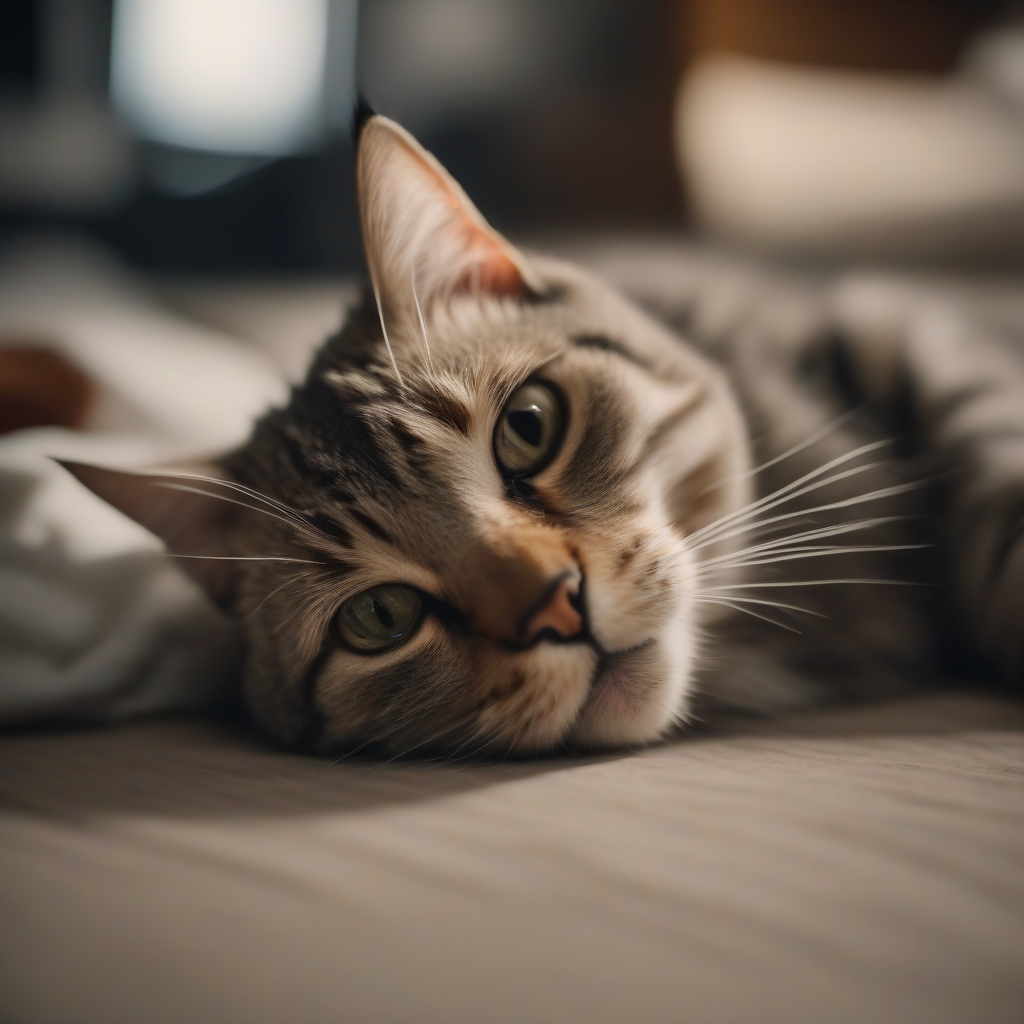
In this article, you can learn about 5 hidden signs of life-threatening urinary obstruction (FLUTD) in cats, their insidious effects on the body and brain, and lifesaving emergency intervention strategies.


In this article, you will discover the little-known but profound effects of the acoustic environment in rabbit living spaces on their brain health and general well-being, exploring the neurobiological consequences of both sound deprivation and overstimulation, and scientific secrets to creating a peaceful environment. Understand and optimize your rabbit's world with expert tips.

In this article, you will find comprehensive information about the insidious neurobiological effects of artificial colorings, preservatives, and flavors found in commercial bird feeds on your bird's brain health and mental vitality. We explore scientific nutritional secrets to combat these hidden dangers, shedding light on a wide spectrum of effects from behavioral changes to cognitive decline.

In this article, you can discover the scientific secrets to understanding your cat's undesirable habits, deciphering the neurocognitive mechanisms in their brain, and establishing lasting new routines.
Urinary tract disorders in cats, especially urinary obstruction in male cats, are a major concern for owners. This condition, known as Feline Lower Urinary Tract Disease (FLUTD), can quickly escalate from a simple discomfort to a life-threatening emergency. Unfortunately, cats are masters at hiding their pain and discomfort, making symptoms difficult to spot. However, chemical imbalances and pain within their bodies profoundly affect their brains, causing them to exhibit insidious signs. In this article, we will examine 5 hidden signs of your cat's urinary blockage and the lifesaving scientific intervention codes for this emergency. Remember, early diagnosis saves lives!
Feline Lower Urinary Tract Disease (FLUTD) encompasses a range of conditions affecting the bladder and urethra of cats. This condition can lead to a complete blockage of the urinary tract due to the formation of stones, crystals, inflammation, or mucus plugs in the bladder. Complete obstruction means that urine cannot be expelled from the body. In this scenario, the kidneys fail, and toxic substances (like urea and creatinine) begin to accumulate in the blood. This accumulation severely affects not only the kidneys but also the heart, nervous system, and brain. Blood pressure rises, electrolyte imbalances (especially potassium levels) disrupt heart rhythm, and uremic toxins impair neurocognitive functions, leading to lethargy, vomiting, and even coma in cats. Therefore, urinary obstruction is an absolute emergency requiring intervention within 24-48 hours at most.
Cats naturally tend to hide their weaknesses. Therefore, understanding their subtle signals is crucial to recognizing a serious condition like urinary obstruction. These signs are direct reflections of the physiological stress and toxin accumulation in the body, impacting the brain.
One of the most common and insidious signs of urinary obstruction is changes in your cat's litter box habits. Due to pain and discomfort, the cat may associate the litter box with the primary source of pain and thus start urinating in different places. More importantly, they may enter the litter box, strain for a long time, and produce no urine or only a few drops. This is a neurocognitive response to the intense pressure and pain caused by bladder fullness and obstruction. The brain codes this painful experience with the "litter box" and seeks alternatives. While owners often interpret this as a "behavioral problem," it is actually a cry for a medical emergency. Such behavioral changes are a severe stress factor affecting your cat's environmental perception and routine behavioral patterns. Related reading: Your Cat's 'Silent Litter Box Rebellion': 5 Insidious Neurobiological Effects of Wrong Litter Choice and Scientific Secrets for Optimal Hygiene!
Cats try to conceal their pain by licking. A cat with urinary obstruction may constantly lick its penis or abdominal area, sometimes to the point of pulling out fur. Additionally, due to pain and discomfort, they may become more withdrawn, hiding under furniture or in hard-to-reach places. This hiding behavior is a self-preservation instinct stemming from their predatory nature; they don't want to appear vulnerable when weak. These behaviors are a response from the brain to intense stress and pain. Chronic pain can affect the brain's pain modulation centers, altering the cat's mood and social interactions.
As toxins accumulate in the blood, your cat's general health rapidly deteriorates. One of the first signs you may notice is lethargy and loss of appetite. Your cat may not want to play as before, sleep more, and show less interest in its food bowl. This is a neurometabolic effect of uremic toxins directly on the brain, resulting from kidney dysfunction. Toxins depress the central nervous system, affecting energy production and slowing down the cat's cognitive functions. This operates through a similar mechanism to the effects of toxic substances on the brain, as discussed in Your Cat's 'Insidious Poison Whispers': The Neurotoxic Dance of 5 Hidden Household Dangers in the Brain and Lifesaving Emergency Intervention Codes!.
As urinary obstruction progresses, toxins accumulated in the blood also affect the digestive system. This can cause your cat to start vomiting. At the same time, because the body cannot excrete water through urine, the risk of dehydration increases. Severe dehydration negatively impacts brain function and further exacerbates the cat's overall condition. Excessive toxin buildup can also lead to an unpleasant, ammonia-like odor from your cat's mouth. This odor is a critical sign of kidney failure and one of the brain's last alarms against metabolic imbalances. Related reading: Your Cat's 'Insidious Dehydration Map': 5 Neurobiological Effects of Chronic Dry Food-Induced Dehydration on the Brain and Lifesaving Hydration Secrets!
If your cat exhibits stiffness, tension, or pain when you touch its abdomen, it is a strong indicator of an overfull bladder and a potential obstruction. This is not just local pain but a general alarm state of the nervous system. Bladder distention stimulates abdominal nerves, sending constant signals to the brain's pain centers. This intense and persistent pain can alter your cat's behavior, even their personality. This situation, where every touch becomes painful, indicates that your cat needs urgent veterinary attention.
If you notice any of the above signs in your cat, it is vital to contact a veterinarian without delay. Urinary obstruction can lead to kidney failure, electrolyte imbalances, and heart attack within hours.
Urinary obstruction in cats is a silently progressing and life-threatening condition. Understanding its insidious symptoms is the first step to saving your cat's life. Remember, if your cat is straining in the litter box, appears in pain, or is lethargic, it is an emergency. Reach out to a veterinarian quickly to provide your cat with the scientific and lifesaving intervention it deserves. Hearing their silent whispers is one of the most important duties of a responsible pet parent.
