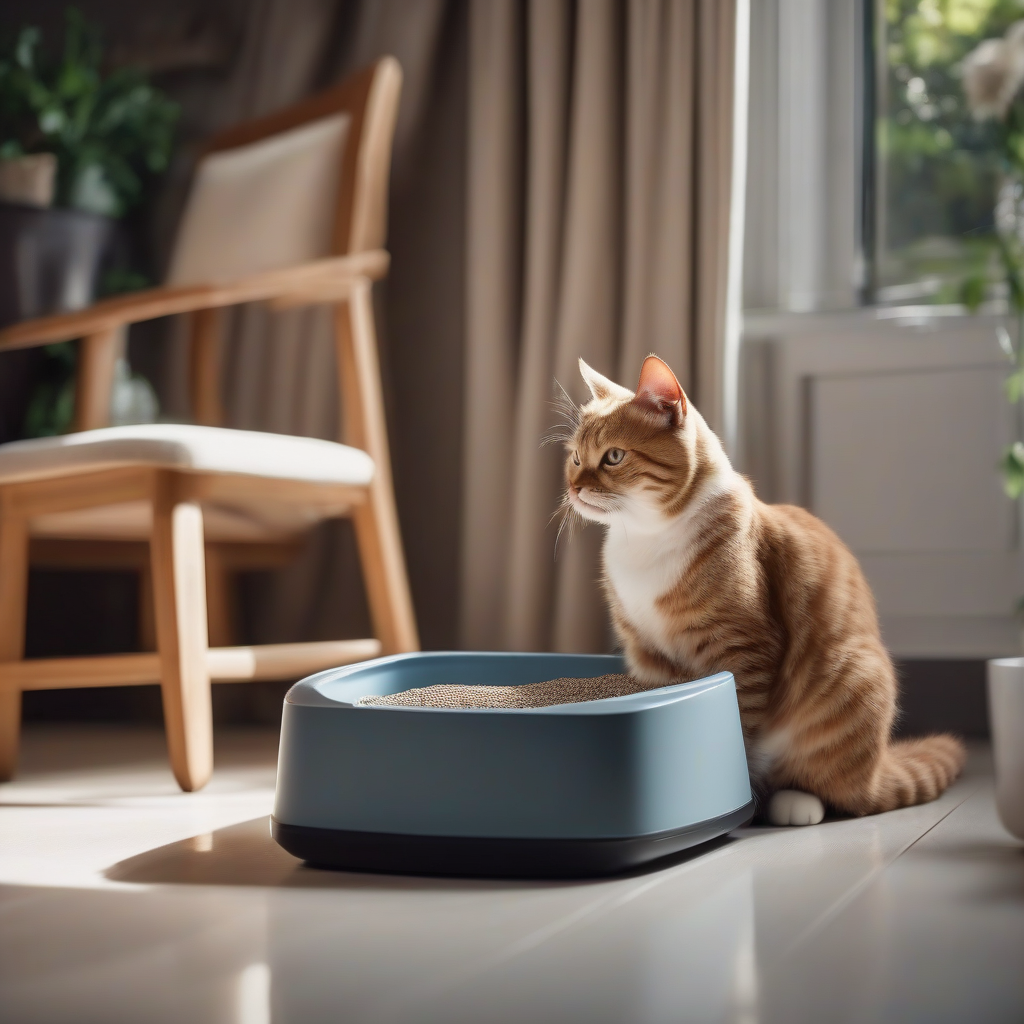
In this article, you will discover the neurobiological secrets behind your cat's litter box preferences, the negative impacts of incorrect litter choice, and scientific strategies for a peaceful hygiene experience.


In this article, you will discover how your fish's brain reacts to sudden pH changes in the aquarium, the neurophysiological effects of this insidious shock, and lifesaving emergency intervention strategies.

In this article, you will discover the neurosensory effects of incorrect bathing routines that can turn your bird's bath experience into a trauma, and learn the scientific secrets for a peaceful cleanse.
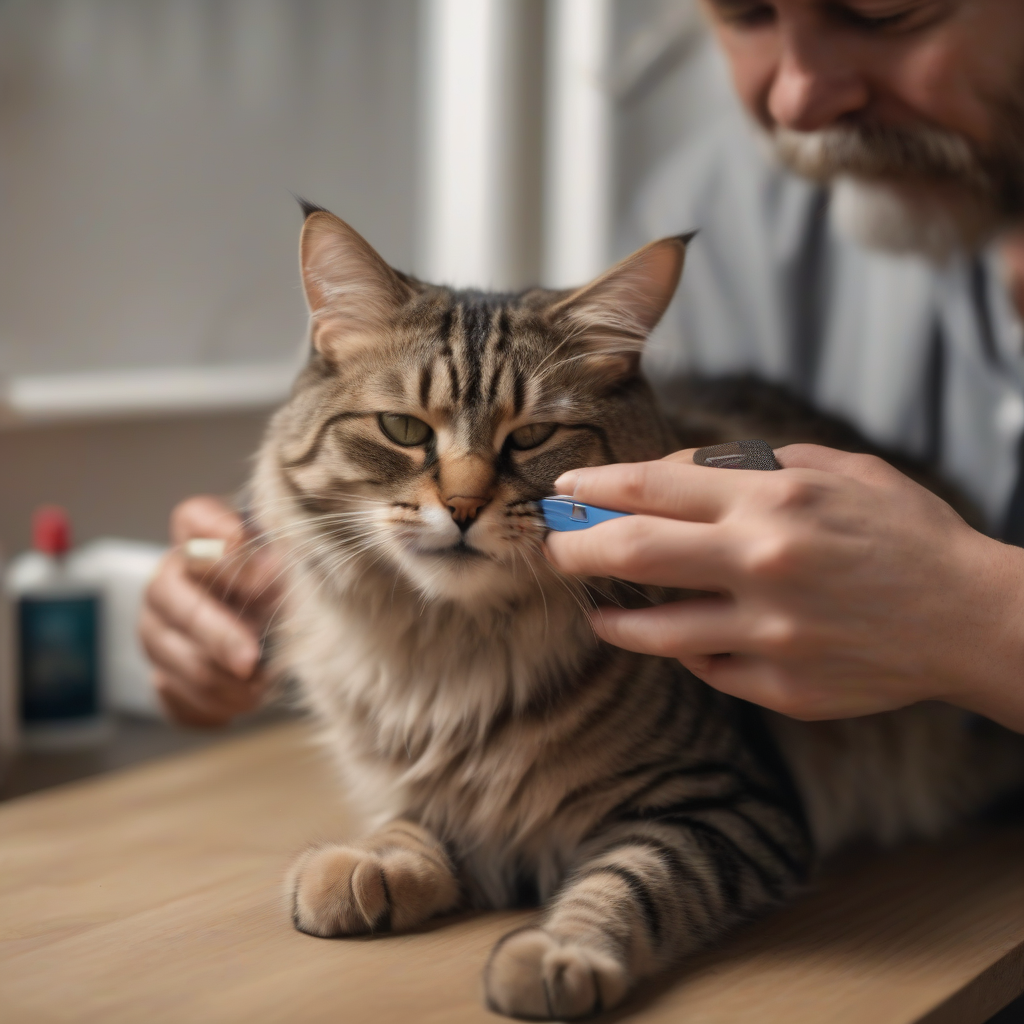
In this article, you will discover why your cat resists routine care, the neurobiological reasons behind this resistance, and scientific secrets to make care processes more peaceful for both you and your cat.
Your cat's comfort and health at home are deeply linked to a fundamental, often overlooked factor: the litter box experience. What might seem like a simple physiological need area is, in fact, remarkably impactful on your cat's mental well-being and behavioral balance through a series of surprising neurobiological effects. An incorrect choice of cat litter can trigger a cascade of insidious reactions in your cat's brain, leading to a 'silent rebellion'; this rebellion may manifest not only as inappropriate urination or defecation outside the box but also as chronic stress and anxiety.
As of July 2026, the latest research in veterinary medicine and animal behavior science highlights how incredibly sensitive cats are to environmental stimuli. Specifically, cat litter, with its scent, texture, and cleaning frequency, plays a crucial role in your cat's sensory world. In this article, we will delve into how the wrong cat litter choice affects your cat's brain, what neurobiological mechanisms it triggers, and what scientifically proven strategies you can implement to end this 'silent rebellion'.
Cats are fastidious creatures when it comes to their toilet needs. For them, the litter box is more than just a place to eliminate; it's a 'perceptual laboratory' that directly influences their perceptions of safety, hygiene, and comfort. The wrong litter choice or inadequate cleaning can easily upset this delicate balance. The texture, scent, and even depth of the litter send direct signals to the cat's brain via millions of nerve endings in their paws. These signals determine whether the cat experiences relaxation or, conversely, stress and aversion. The litter box experience shapes a cat's ability to feel secure and their harmony with their environment. Therefore, properly addressing this basic need is critical for their overall health and happiness.
Your cat's dissatisfaction with their litter often begins silently but leaves deep imprints on their brain. Here are 5 insidious neurobiological effects of choosing the wrong cat litter that negatively impact your cat's brain:
Cats have a sense of smell many times more developed than humans. Artificially scented litters or inadequately cleaned litter can overstimulate the amygdala in your cat's brain, the region responsible for emotional responses. This leads to a constant perception of threat, causing your cat to live in chronic stress and anxiety. A bad scent experience can even prevent the cat from approaching the litter box, disrupting their normal urination and defecation cycle. This is also one of the barriers to your cat's voluntary participation in a care routine.
Sensitive receptors in your cat's paws perceive the litter's texture and send information to the somatosensory cortex of the brain. Coarse, sharp, or excessively dusty litters can cause an unpleasant stimulation in this area, creating tactile aversion in the cat. This leads to the cat avoiding the litter box and experiencing discomfort. Scientific studies show a preference for fine-grained and soft litters. Understanding your cat's touch map will guide you in litter selection.
Cats store their experiences in the hippocampus, the brain region responsible for learning and memory. A dirty litter box or being forced to use a type of litter the cat dislikes can lead to the formation of negative memories in this area. These memories can develop into a lasting aversion or fear of the litter box, causing the cat to seek alternative spots, i.e., 'accidents'. This behavior, while sometimes misinterpreted as voluntary disobedience codes, actually expresses the cat's deep discomfort.
For cats, the location and type of litter box are important. An insufficient number of litter boxes or improper placement (e.g., in a noisy or highly visible area) can affect the anterior cingulate cortex in the cat's brain, leading to decision-making conflict. This causes the cat to experience an internal dilemma about whether to use the litter box, resulting in increased stress levels. Just like with stress signals in the food bowl, discomfort in the litter box reduces the cat's overall well-being.
Cats are creatures of routine, and uncertainty in their environment negatively impacts the prefrontal cortex, the brain's center for planning and problem-solving. Sudden changes in litter type or irregularities in the cleaning routine can make the cat feel insecure. This shakes the cat's safe zone illusion and triggers a stress response. Constantly changing conditions challenge the cat's adaptation abilities and create a breeding ground for behavioral problems.
Optimizing your cat's litter box experience will significantly improve their mental health and harmony at home. Here are scientific strategies you can implement:
Improving your cat's litter box experience not only solves inappropriate urination issues but also enhances their overall mood, confidence, and quality of life at home. By understanding and addressing this 'silent rebellion' with scientific approaches, you can build a deeper and more peaceful bond with your cat.
