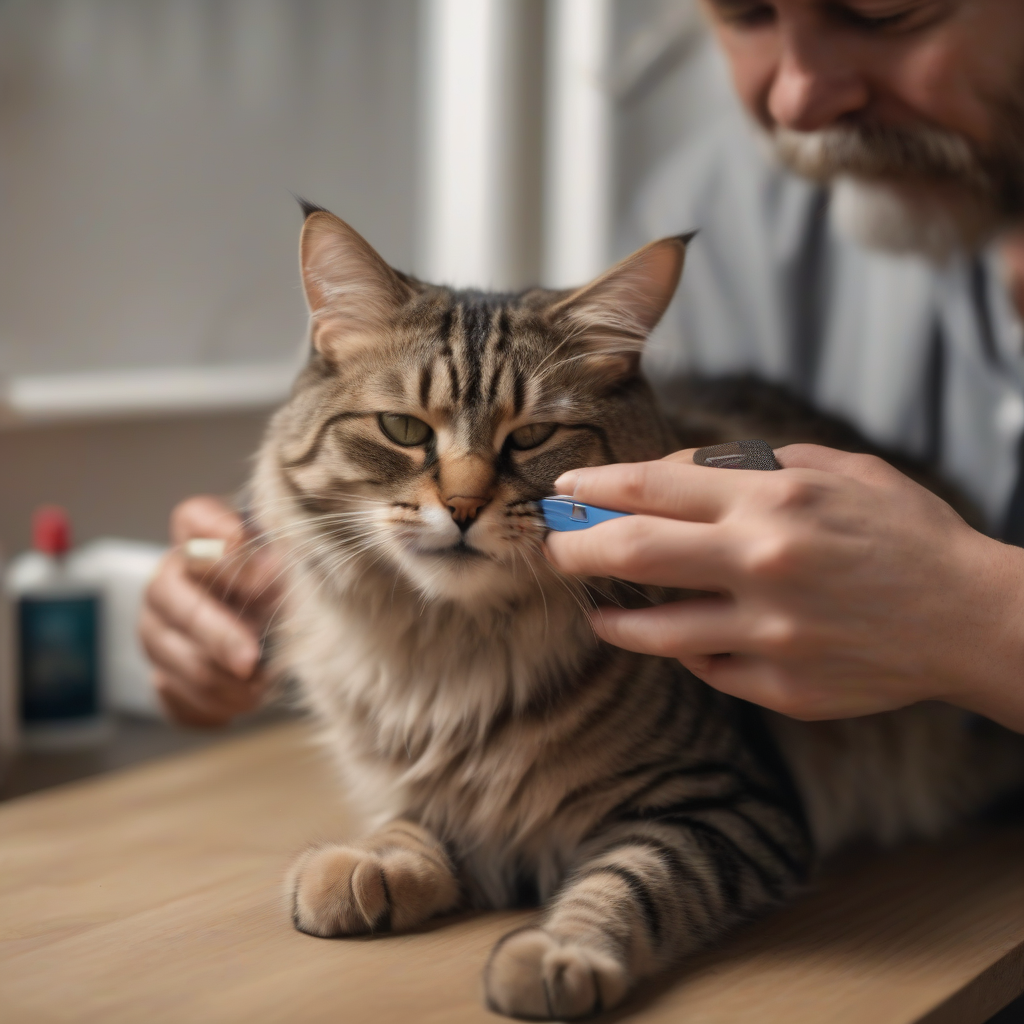
In this article, you will discover why your cat resists routine care, the neurobiological reasons behind this resistance, and scientific secrets to make care processes more peaceful for both you and your cat.

In this article, you will discover why your cat resists routine care, the neurobiological reasons behind this resistance, and scientific secrets to make care processes more peaceful for both you and your cat.
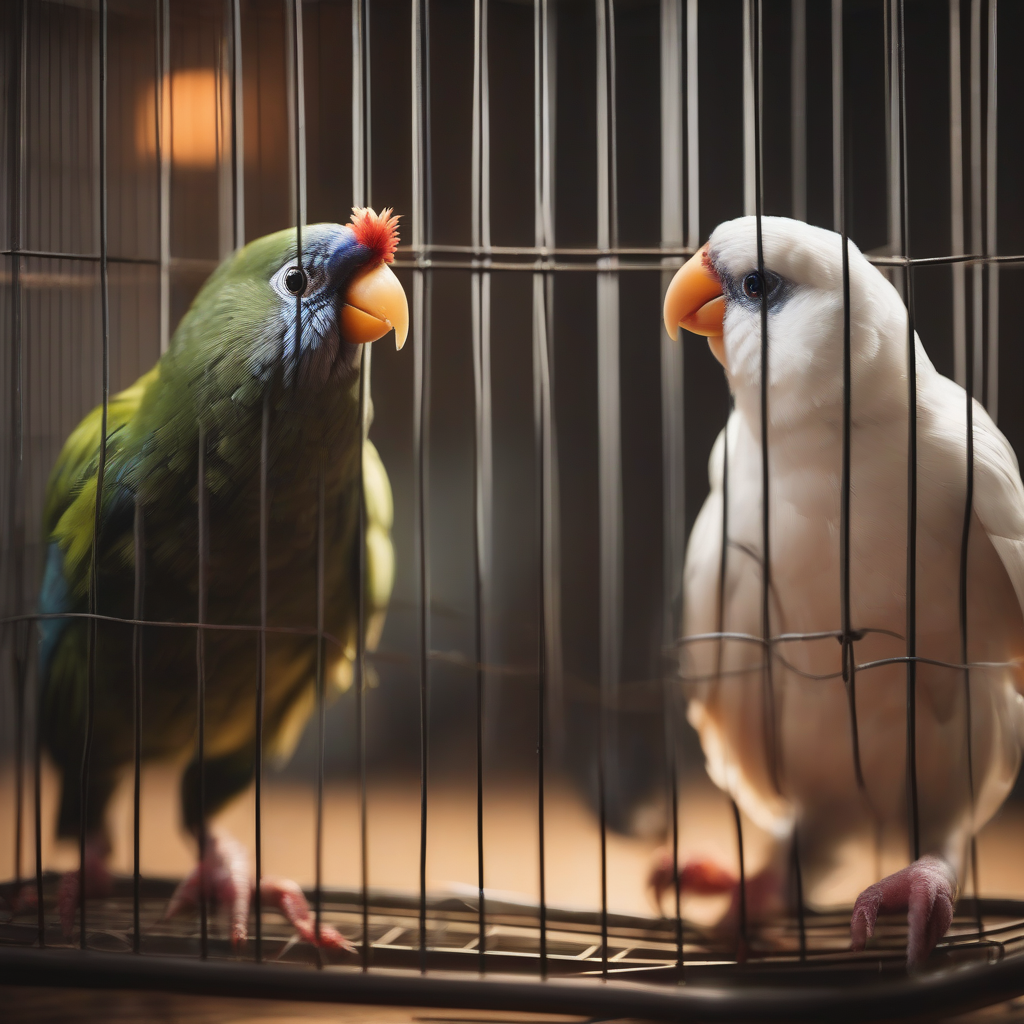
Pet birds naturally live within complex social structures and hierarchies. When a new bird joins an existing flock, this process triggers deep neurocognitive changes in both birds' brains. This article explores the neurocognitive secrets of inter-bird social integration, offering scientific guidance for creating a healthy and peaceful social environment.

Heatstroke in hamsters is a critical emergency with insidious neurophysiological effects that pose a fatal risk to their tiny bodies. In this article, we will examine the 5 hidden effects of hyperthermia on the brain and lifesaving emergency intervention codes with scientific details.
Cats are known for their elegance and independence. However, when it comes to routine care practices like nail trimming, brushing, or administering medication, these independent spirits can suddenly exhibit a "resistant" attitude. Sometimes resulting in a small growl, sometimes in paw swipes, these "battles" can become a significant source of stress for both cat owners and their feline companions. So, is this resistance merely "stubbornness," or are there deeper neurobiological mechanisms at play in your cat's brain that respond to these situations? As of September 2026, in light of the latest scientific research, we reveal the 5 insidious neurobiological effects that trigger your cat's silent resistance to care routines and the scientific secrets to transform this "nightmare" into a peaceful ritual.
The amygdala in a cat's brain is a core structure responsible for fear and survival responses. If your cat has accidentally experienced pain during nail trimming in the past, found brushing to be an uncomfortable experience, or endured a violent struggle during a medication attempt, the amygdala codes these experiences as "danger." When faced with a similar situation in the future, this encoded fear is triggered, and your cat automatically responds with evasion, hiding, or aggression. This isn't your cat being "naughty" intentionally, but its brain trying to protect it from a potential threat. Even using the wrong grooming tools can cause your Cat's 'Hidden Tactile Nightmare', which can negatively impact amygdala records.
To break this cycle, it's essential to recode care routines with positive experiences. Start with small steps. Immediately offer a reward (food, play) after simply showing the nail clippers or brush. Reward when they allow touching. Never force them. Keep each session short and progress according to your cat's comfort level. This will help your cat's amygdala form new, safe memories.
The hippocampus plays a key role in the formation and storage of memories. For your cat, care routines can be associated with environmental cues such as a specific place, time, or even your mood. If care sessions have consistently been linked to stressful or painful moments, the hippocampus perceives this context as "dangerous." Your cat might start to feel anxious just sensing that a care routine is about to begin, even before anything is touched. This is similar to a human reaction like, "Whenever I see the bath towel, I know it's bath time, and I dread it."
Always try to create the same calm and safe environment for care. Take steps to enrich the environment with positive scents (pheromone sprays) or play calming music. By immediately rewarding your cat after placing care tools in sight, you allow the hippocampus to form new, positive contextual memories. Building trust is critically important, especially during the first contact and bonding process with your newly adopted cat.
Cats are creatures who naturally love control. When they cannot control a situation or escape from it, activity in the prefrontal cortex region of their brain can decrease. This can lead to a state known as "learned helplessness," where the cat learns that its efforts won't change the outcome. Being restrained during care can make the cat feel trapped, causing stress levels to rise dramatically. This situation can lead not only to immediate stress but also to depressive behaviors in the long run.
Allow your cat to feel some control during care. For example, let them choose a specific position for nail trimming or give small cues about when the brushing session might end (e.g., a short break when they growl). "Gamification" techniques can make care sessions more tolerable. Avoiding the neurobiological effects of improper practices in other sensitive care applications like ear cleaning is also crucial to prevent learned helplessness.
The balance of hormones in the cat's brain plays a critical role during care sessions. A stressful experience can increase the secretion of cortisol (the stress hormone) while decreasing levels of oxytocin (the bonding and trust hormone). This hormonal imbalance can reduce your cat's trust in you and make care sessions even more challenging. Prolonged high cortisol levels can lead to chronic stress, negatively impacting overall health. Even bad odors or olfactory deprivation in the environment can affect your cat's neurobiological health, increasing cortisol levels.
Establish calm and positive interactions with your cat before and after care sessions. Gentle talking, petting, and play encourage oxytocin secretion. Being calm and patient during care prevents your own stress from transferring to your cat. If your cat is tense, take a deep breath and try to relax. Your calm energy will reflect on your cat.
Cats' skin is extremely sensitive. Incorrect grooming or nail trimming, applying excessive pressure, or using inappropriate tools can cause overstimulation or even pain perception in the somatosensory cortex. This is not just physical discomfort for your cat but also leads to its brain registering such touches as a negative experience. This sensitivity can lead to even more pronounced resistance in the next care attempt.
Use a soft-tipped brush appropriate for your cat's fur type. When trimming nails, only cut the very tip of the nail, being careful not to hit the quick. If you are unsure, seek help from your veterinarian or a professional groomer. Carefully read your cat's body language and stop immediately if they show signs of discomfort. Divide care into sections; for example, trim only a few nails at a time and leave the rest for another occasion.
Your cat's resistance to routine care is often the result of complex neurobiological responses in its brain rather than simple stubbornness. Understanding these responses and addressing them with scientific approaches will improve the quality of life for both you and your cat. Remember that every cat is an individual, and patience, positive reinforcement, and correct techniques are the keys to transforming this "silent resistance" into a loving and trusting collaboration. The strong bond you build with your cat will make this process much easier and more peaceful.
