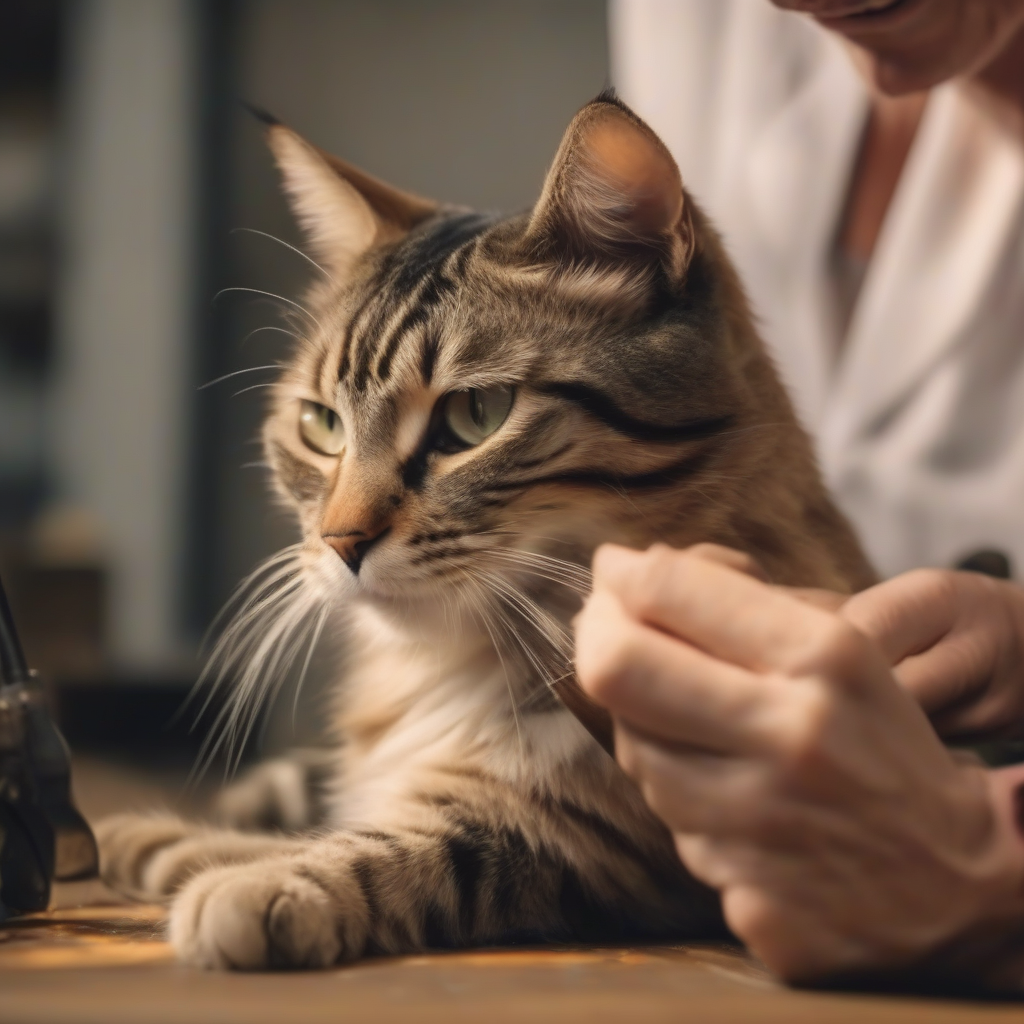
In this article, you will discover the insidious neurophysiological effects of incorrect grooming tools on your cat's sensitive skin and brain, along with scientific secrets for providing your feline friend with a peaceful care routine.

In this article, you will find comprehensive information on the insidious neurotoxic effects of lead poisoning on the bird's brain and lifesaving emergency intervention codes.
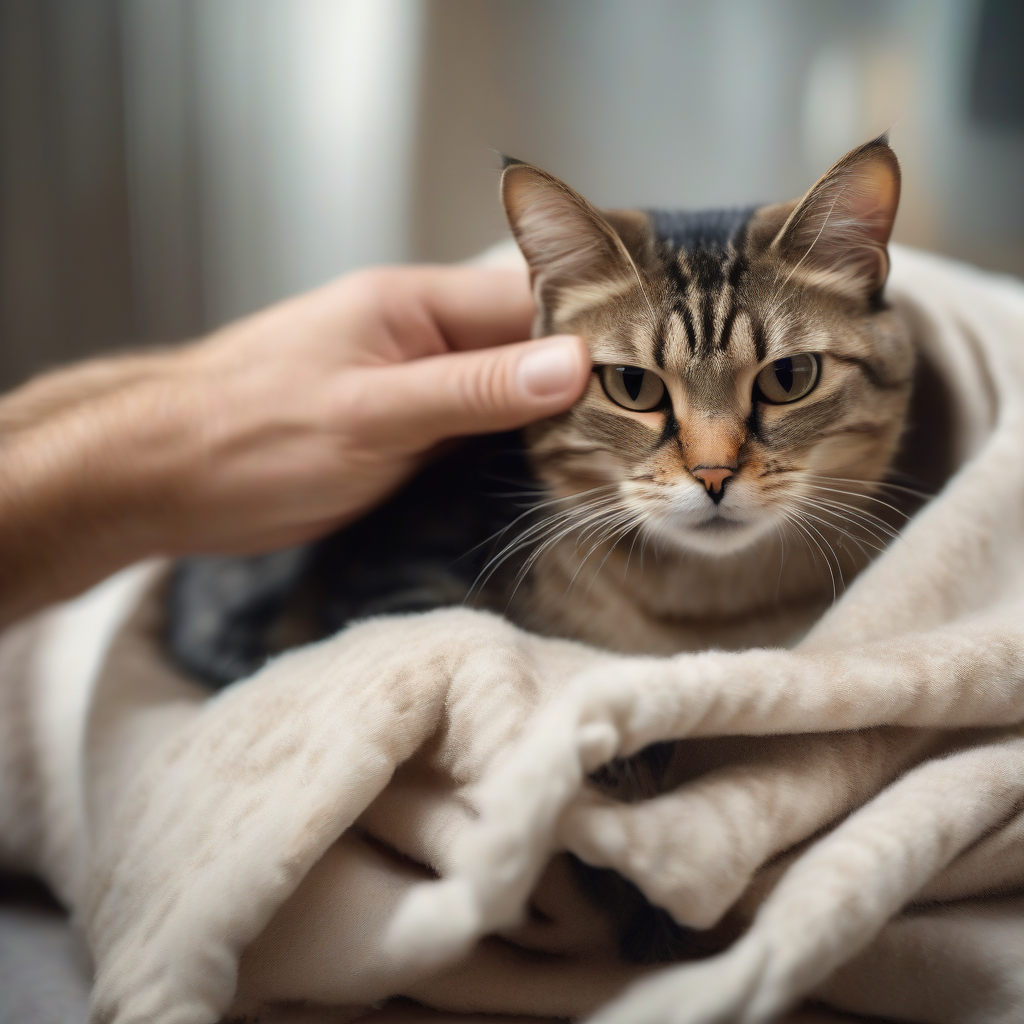
While cats possess a surprising ability to adapt to high-rise fall traumas, the insidious neurophysiological effects on their brain carry vital risks. In this article, we reveal 5 critical neurobiological effects your cat may experience after a fall and the lifesaving emergency intervention codes with scientific secrets.

In this article, you will discover how your rabbit copes with unexpected situations and its neurocognitive responses to non-routine events. Learn scientific secrets to enhance mental flexibility and manage stress.
Cats are, without a doubt, elegant creatures known for their meticulous self-grooming. While they groom themselves by licking, they often require their owners' help, especially long-haired breeds, elderly cats, or during seasonal changes. However, the grooming routine, contrary to popular belief, can transform from a relaxing ritual into a 'hidden tactile nightmare' for your cat if the wrong tools and techniques are used. Their skin is one of the most sensitive organs in their body, and an inappropriate brush or comb can lead not only to physical discomfort but also to severe neurophysiological stress responses. In this article, we will examine the insidious effects of incorrect grooming tools on your cat's brain and explore scientific care strategies that will support both your feline friend's physical and mental well-being.
Your cat's skin is far more than just a covering for its fur; it is a complex sensory organ that enables interaction with its environment, perceiving stimuli such as pain, temperature, pressure, and vibration. Equipped with millions of nerve endings and hair follicles, this delicate surface can be a source of pleasurable stimulation with the right touch, but it can also cause intense discomfort and stress with improper applications.
Cat skin, particularly in the back, tail base, and abdominal areas, is incredibly sensitive. The nerve networks around the hair follicles can transmit even the slightest touch to the brain. This neuronal network plays a vital role in the cat's predator-prey nature, helping it perceive potential threats or prey. However, this sensitivity can turn into overstimulation and a negative experience when in contact with inappropriate brushing or sharp tools. Similar to your dog's skin's 'Silent Stress Trigger,' incorrect grooming practices can trigger similar reactions in cats and turn a peaceful routine into a nightmare. Your Dog's 'Silent Stress Trigger' in the Skin: 5 Insidious Neurobiological Effects of Incorrect Brushing and Grooming and Scientific Secrets for a Peaceful Care Routine!
Using incorrect grooming tools does not merely cause temporary discomfort in your cat's skin; it can lead to insidious neurophysiological effects that cause long-term changes in brain function and behavior:
Repeated pain or discomfort continually activates the cat's hypothalamic-pituitary-adrenal (HPA) axis, leading to chronically elevated levels of the stress hormone cortisol. This can result in anxiety, depression-like behaviors, and a weakened immune system. Your cat's avoidance, hissing, or scratching during grooming might be signs of this chronic stress.
Constant exposure to pain can lead to neuroplastic changes in the brain's pain perception centers. This can result in sensitization, causing the cat to perceive even the gentlest touches as painful later on. Grooming time can become a 'nightmare' for your cat, creating high stress similar to an acute choking risk. Your Cat's 'Breathing Nightmare': Hidden Choking Risks, 5 Insidious Neurophysiological Effects in the Brain, and Lifesaving Emergency Intervention Codes!
Excessive brushing or harsh touches with the wrong tools can overstimulate the cat's sensory system. This leads to sensory overload and anxiety, especially in sensitive cats. The brain perceives these stimuli as threats, causing the cat to remain constantly alert or exhibit avoidance behaviors. This can negatively impact your cat's overall well-being.
Grooming routines should be an opportunity to strengthen the bond between you and your cat. However, painful experiences can negatively affect your relationship with your cat. The brain may associate you with pain, leading to a lack of trust and impaired bonding behaviors. Your cat's trust in you, much like the first contact with a newly adopted cat, is a delicate process that can be easily damaged by bad experiences. Your Newly Adopted Cat's 'Silent Trust Codes': 5 Neurocognitive Secrets of First Contact and Bonding in the Brain!
Chronic stress and pain can disrupt the balance of your cat's autonomic nervous system (sympathetic and parasympathetic systems). This imbalance can lead to physical symptoms such as irregular heart rate, digestive issues (vomiting, diarrhea), and even urinary tract infections. These conditions severely affect your cat's overall health and comfort.
It is possible to turn your cat's grooming into an enjoyable experience for both you and your feline friend. Here are some scientifically backed secrets:
Remember, your cat's grooming is vital for its overall health and well-being. With the right tools and gentle techniques, you can transform this routine from a 'tactile nightmare' into an enjoyable experience that strengthens your mutual bond. By paying attention to your cat's reactions and applying scientific secrets, you can maintain your feline friend's physical and mental health at an optimal level. This diligent approach will lead to a happier and healthier cat in the long run.
