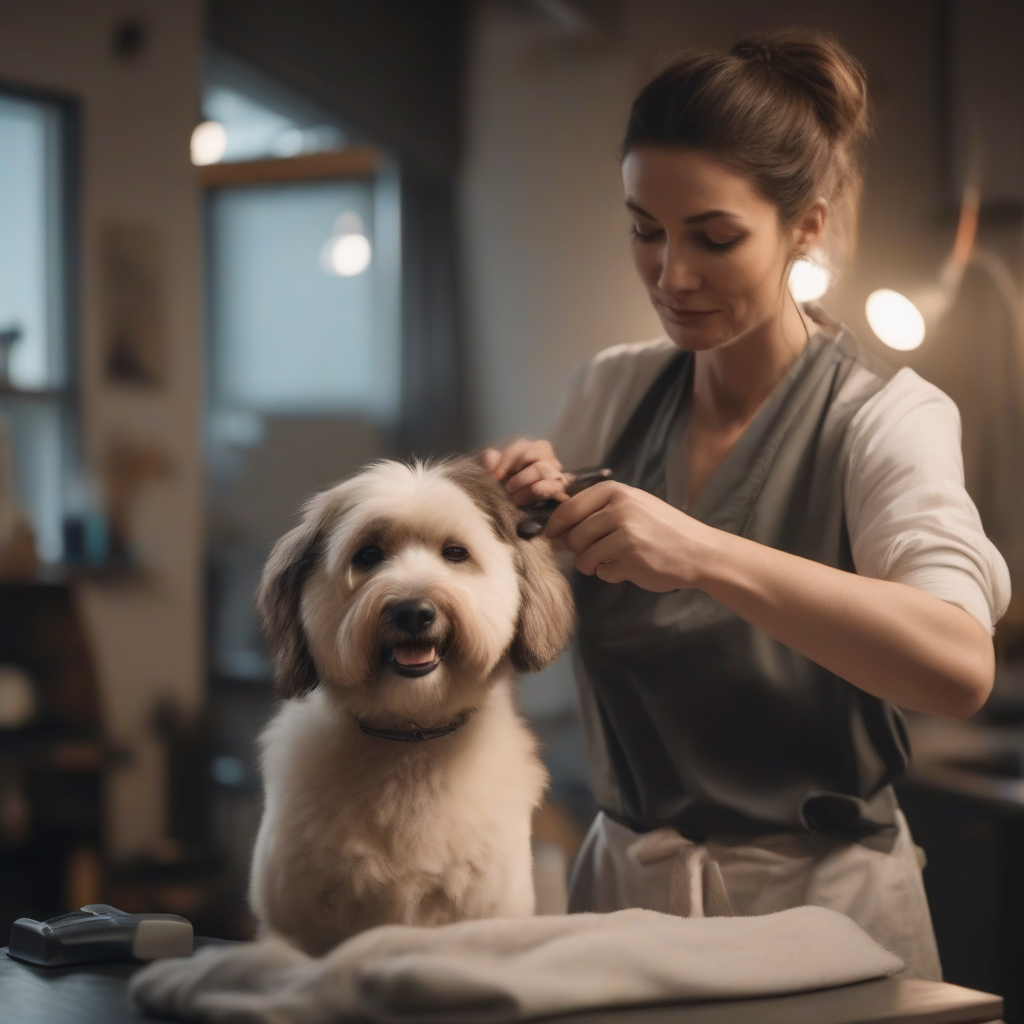
In this article, you will discover the insidious neurobiological effects of incorrect brushing and grooming on your dog's brain, and the scientific secrets to creating a peaceful, positive care routine by avoiding these stress triggers.

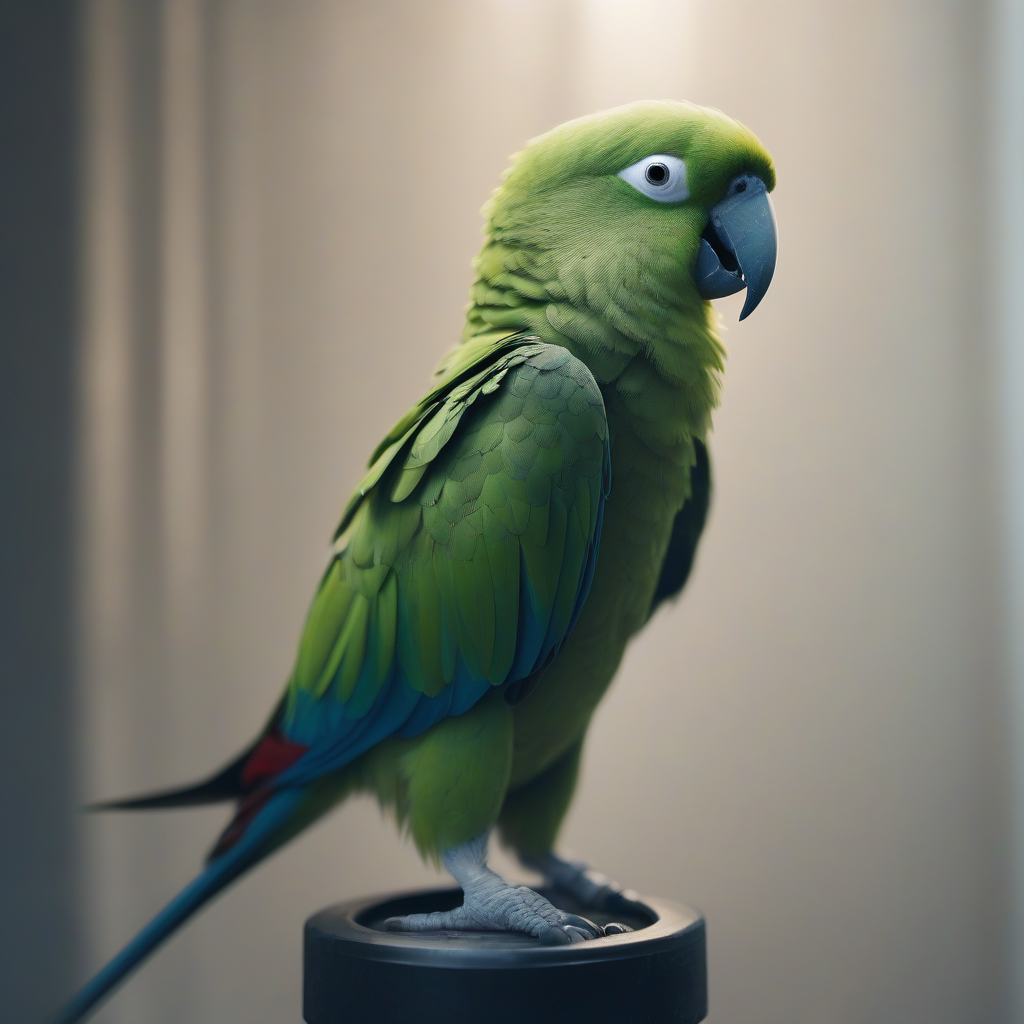
In this article, you will find comprehensive information on the insidious neurotoxic effects of lead poisoning on the bird's brain and lifesaving emergency intervention codes.
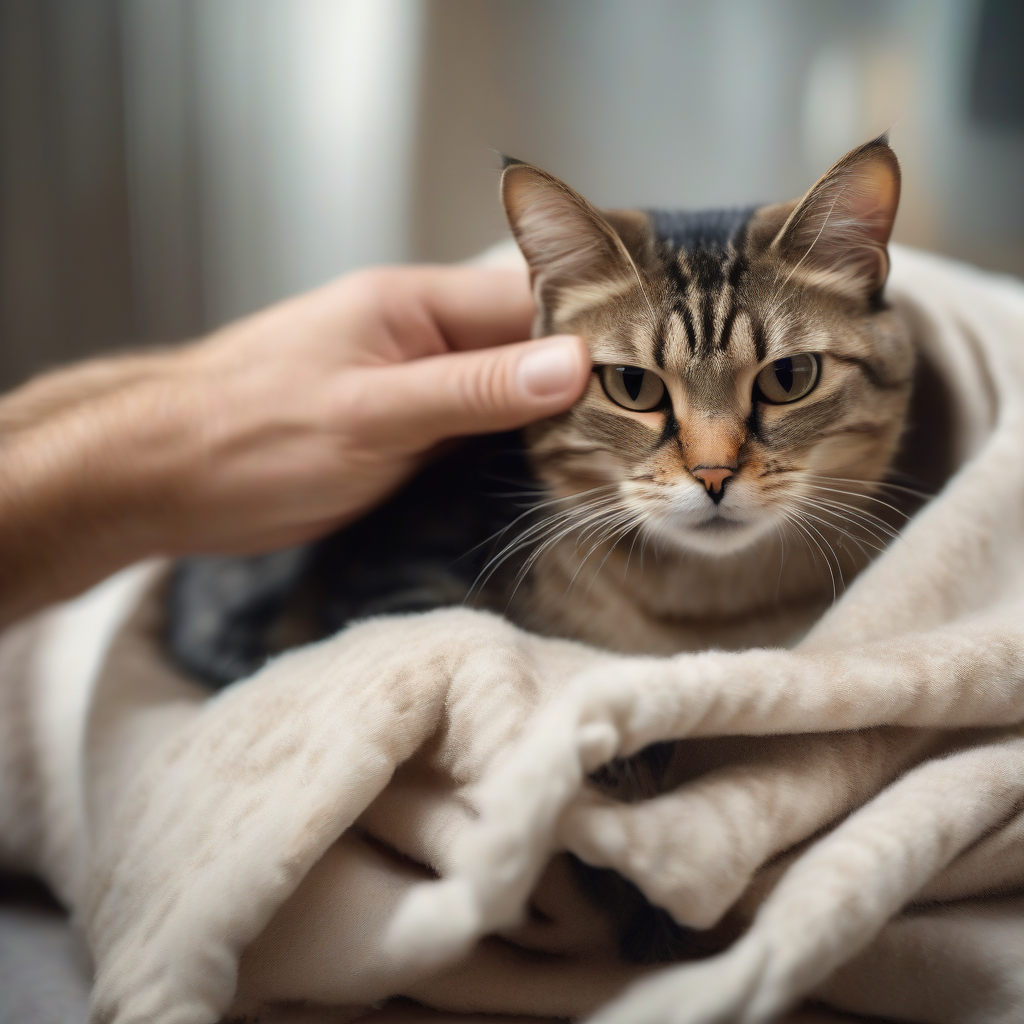
While cats possess a surprising ability to adapt to high-rise fall traumas, the insidious neurophysiological effects on their brain carry vital risks. In this article, we reveal 5 critical neurobiological effects your cat may experience after a fall and the lifesaving emergency intervention codes with scientific secrets.

In this article, you will discover how your rabbit copes with unexpected situations and its neurocognitive responses to non-routine events. Learn scientific secrets to enhance mental flexibility and manage stress.
For dog owners, coat care is not merely an aesthetic concern; it's a critical part of our furry friend's overall health and well-being. However, many are unaware of how deeply grooming practices, such as brushing and trimming, affect not only a dog's external appearance but also its internal world – specifically, its neurobiological system. Incorrect grooming techniques can lead to insidious neurobiological effects ranging from minor discomfort to chronic stress and even behavioral problems. As of July 2026, our scientific understanding of this topic is deepening daily, showing us the necessity of approaching our dogs' grooming routines with much greater awareness.
A dog's skin is its largest sensory organ, constantly interacting with its environment. Millions of nerve endings, hair follicles, and touch receptors transmit even the slightest contact to the brain. This complex system perceives not only physical pain but also comfort, safety, or threat. Situations like incorrect brushing, pulling, harshly detangling mats, or using inappropriate tools can overstimulate this sensitive perceptual system, triggering a cascade of adverse reactions in the brain.
Incorrect or forceful grooming sessions can establish a chronic stress response in dogs' brains. This activates the hypothalamic-pituitary-adrenal (HPA) axis, leading to a sustained elevation of stress hormones like cortisol. Chronically high cortisol levels can weaken the immune system, cause digestive issues, and reduce learning capacity. Just as in humans, the detrimental effects of chronic stress in animals are scientifically proven. The hormonal imbalances discussed in Your Dog's 'Silent Adrenal Collapse', although stemming from a different pathology, highlight the delicate nature of the body's stress management mechanisms.
The amygdala, the brain's center for fear and emotion processing, rapidly forms associations with traumatic or unpleasant experiences. A painful or frightening grooming experience can create a lasting 'negative memory' in your dog's amygdala. In the future, when a brush is seen or the dog is approached for grooming, the brain retrieves this negative memory, leading to avoidance behaviors, aggression, or extreme fear responses. This can operate similarly to the adaptation difficulties to new environments described in Your Dog's 'Fear-Infused Stress Tunnels', as the brain forms a perception of threat.
Physical damage or irritation to the skin (e.g., harsh brushing or pulling mats) triggers local inflammatory responses. This inflammation can sensitize nerve endings, leading to chronic itching. When the brain continuously processes these itch signals, the dog may begin to scratch or lick itself more frequently, entering an itch-irritation-itch cycle. This cycle can further exacerbate overall well-being by increasing stress hormones and can also trigger physiological stress signs like hair loss, as noted in Your Cat's Hidden 'Stress Reservoir'.
Grooming can actually be a bonding ritual between owner and dog. However, when this experience is negative, the release of oxytocin (the bonding hormone) in the brain can be suppressed. The dog begins to perceive the groomer (owner or professional) as a source of discomfort or pain. This can damage the trust bond between them and negatively affect overall social interactions. Similarly, as discussed in Your Adopted Dog's 'Hidden Social Map' regarding the importance of adapting to a new pack, the grooming routine is a form of social interaction, and negativity can impact social hierarchy and trust.
Excessive pressure or repetitive uncomfortable touches applied to sensitive skin areas can cause sensory overload in the dog's nervous system. This leads to the brain overreacting even to stimuli it would normally tolerate. The dog may develop increased sensitivity to the sound, touch, or smell of the brush, reacting with sudden movements or barking. This situation can be interpreted as a loss of control due to stress and discomfort, similar to the impulsive behaviors addressed in Your Dog's 'Secret Impulse Control'.
Your dog's grooming routine can transform from a 'stress trigger' into an enjoyable 'bonding experience'. Here are the scientific ways to achieve this transformation:
Enable your dog to form a positive association with grooming tools (brush, comb). Start by simply showing the brush and offering a reward. Then, gradually bring the brush closer to your dog so it can sense it from a distance, rewarding again. Begin with very short, gentle touches, rewarding each successful step. This desensitization process helps break negative associations in the brain and replace them with positive ones. The article Your Dog's 'Understanding Cycle'? The Secret Neurobiological Keys of Positive Reinforcement is an excellent resource for understanding the neurobiological basis of this method.
Use brushes and combs appropriate for your dog's coat type (short, long, double-coated, single-coated). Avoid metal-tipped brushes or use them with extreme caution. Opt for ergonomic, soft-bristled brushes that won't pull hair or irritate the skin. When brushing, move gently and in short strokes, following the direction of hair growth. Never pull on mats; use special detangling sprays and your fingers to gently separate them.
Observe your dog's body language closely. Signs such as yawning, licking lips, flattened ears, avoiding eye contact, trembling, or growling indicate stress or discomfort. When you see these signs, stop and give your dog a break. Never force them. Start with short grooming sessions and gradually increase the duration as your dog becomes more comfortable.
Choose a quiet, calm area free from distractions for grooming sessions. Use a favorite blanket or bed for your dog. Soft music or calming pheromone diffusers can also help. During grooming, offer a long-lasting chew treat or their favorite toy to make the experience more positive.
If your dog exhibits extreme fear or aggression towards grooming, do not hesitate to seek help from a veterinary professional or a certified dog behavior specialist. Professionals can identify the underlying cause of your dog's fears and guide you with tailored behavior modification plans.
Remember, grooming is not just about cleanliness; it's an investment in your dog's mental health. With the right approach, you can transform this routine into an enjoyable and healthy experience for both you and your canine companion.
