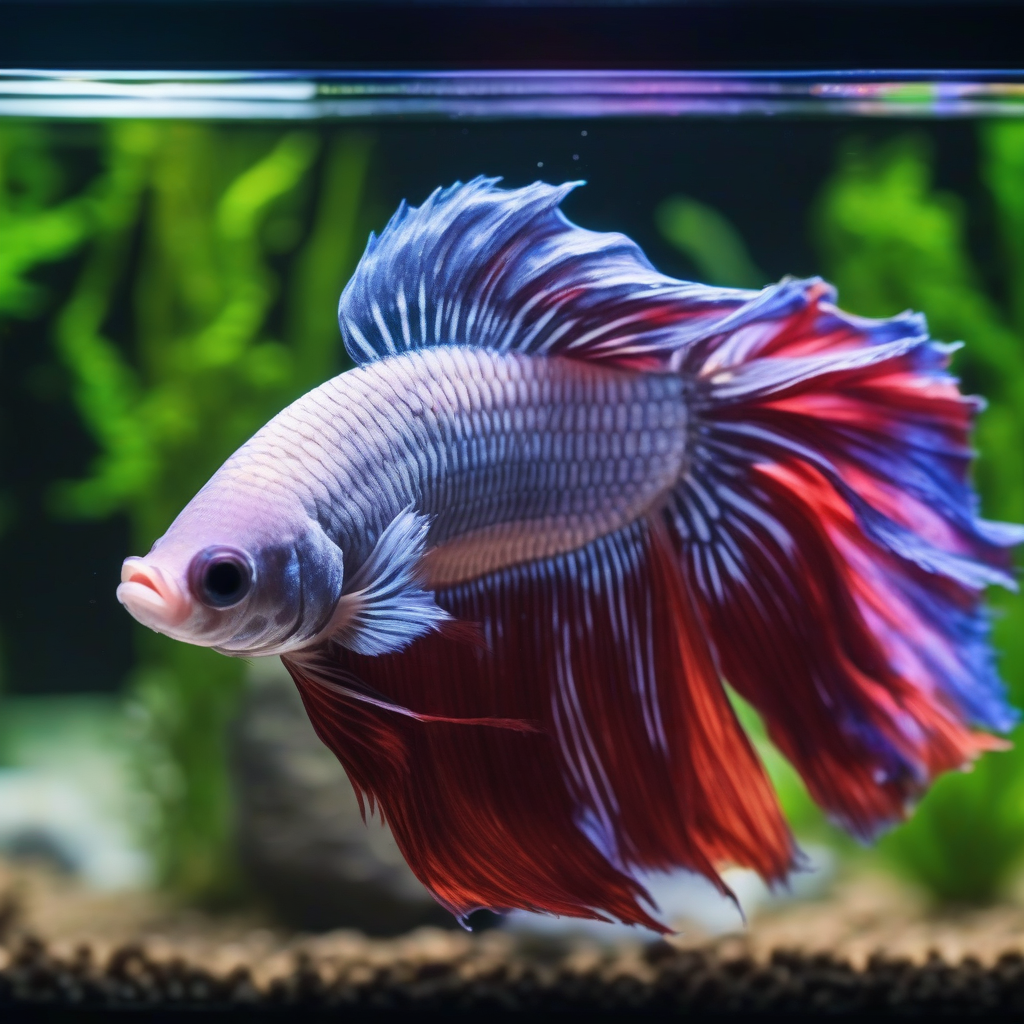
Discover how invisible electrolyte imbalances in your fish aquarium affect water quality and threaten your fish's health. In this article, you will learn to recognize 5 insidious neurophysiological signals and find scientific solutions to ensure your fish's well-being.


While cats possess a surprising ability to adapt to high-rise fall traumas, the insidious neurophysiological effects on their brain carry vital risks. In this article, we reveal 5 critical neurobiological effects your cat may experience after a fall and the lifesaving emergency intervention codes with scientific secrets.

In this article, you will discover how your rabbit copes with unexpected situations and its neurocognitive responses to non-routine events. Learn scientific secrets to enhance mental flexibility and manage stress.

In this article, you will find comprehensive information on the insidious neurophysiological effects of seizures in cats' brains and lifesaving emergency intervention codes during a seizure.
Fish aquariums are complex and delicate ecosystems. Water chemistry is vital for overall water quality and, consequently, for the health of your fish. One factor that is often overlooked but profoundly affects the well-being of our fish is the water's electrolyte balance. Electrolytes are minerals that enable water to conduct electricity and play a critical role in regulating fish bodily functions.
Electrolytes are minerals that dissociate into ions when dissolved in water. Ions such as sodium (Na+), potassium (K+), calcium (Ca2+), magnesium (Mg2+), chloride (Cl-), and bicarbonate (HCO3-) are the most well-known electrolytes. In fish, they are essential for:
The electrolyte levels in natural water sources vary from region to region, and fish species have adapted to these variations. However, in an aquarium environment, factors such as the frequency of water changes, the characteristics of the water used, and the effectiveness of filtration systems can disrupt the electrolyte balance.
Electrolyte imbalance may not show obvious signs initially. However, subtle changes in your fish's behavior and physiology can herald this invisible crisis. Here are 5 critical neurophysiological signals to watch out for:
Sudden drops or spikes in electrolyte levels can directly affect the fish's nervous system. This can lead to symptoms such as excessive restlessness, constant hovering in a corner of the aquarium, or lethargic fin movements. These behaviors are indicative of the body struggling to maintain normal functions.
Electrolytes like calcium and magnesium are essential for the proper functioning of gills. Imbalances in these minerals can make it difficult for fish to obtain oxygen. Consequently, fish may exhibit rapid gill movements, swim near the surface, or show signs of shortness of breath.
Electrolytes help maintain buoyancy by regulating the osmotic pressure of body fluids. In cases of imbalance, fish may lose their ability to swim properly, list to one side, turn upside down, or remain immobile at the bottom of the aquarium.
Electrolyte imbalances can disrupt the fish's overall metabolism, leading to a loss of appetite. When the body cannot efficiently process nutrients or when energy expenditure increases, a reduced appetite becomes inevitable. This, in turn, leads to emaciation and decreased resistance to diseases in the long run. Our article, The Secret Neurochemistry of Fish Food: 5 Critical Nutrition Secrets to Enhance Your Aquarium Inhabitants' Mental and Physical Well-being!, offers useful insights on this topic.
In some instances, electrolyte imbalances can alter the structure of the fish's skin mucus. This can cause the mucus to appear thicker, more furry, or stickier than normal. These changes can leave the fish vulnerable to external pathogens and increase the risk of secondary infections.
A proactive approach is essential to prevent electrolyte imbalances and address existing issues. Here are science-based care strategies:
Performing monthly water changes of 20-30% is the most effective way to prevent electrolyte buildup and introduce fresh minerals into the aquarium. The source of the water used is important; tap water often contains chlorine and chloramines, so dechlorinated or aged water is preferred. If your fish's habitat is near natural water sources, understanding the electrolyte profile of that region can be beneficial. Our article, The Fish Aquarium's 'Flow Kinetics': 5 Hidden Neurobiological Effects and Scientific Design Secrets to Zero Out Stress!, emphasizes the importance of internal aquarium flow.
Regularly testing water parameters is key to early detection of potential problems. Advanced test kits that can measure levels of sodium, potassium, calcium, and magnesium can provide insights into electrolyte balance. However, the use and interpretation of these tests may require expertise.
In certain situations, especially for sensitive fish species or special care needs, specialized electrolyte supplements available in the aquarium market can be used. Before using these products, it is important to research the needs of your fish species and consult with a veterinarian.
A healthy bio-filtration system not only reduces ammonia and nitrite but also helps maintain the overall balance of water chemistry. The effective functioning of the nitrification cycle enhances water stability. Our article, Hidden 'Bio-Filtration' Warriors in Your Fish Aquarium: The Neurobiological Importance of the Nitrification Cycle and Secrets to Healthy Water, delves into this topic in detail.
Each fish species may have unique electrolyte requirements. For example, there are significant differences between the electrolyte profiles of freshwater and saltwater fish. Researching the water parameters of your fish species' natural habitat and adjusting your aquarium's conditions accordingly plays a key role in preventing electrolyte imbalances. Our article, Your Fish's 'Unique Character Algorithm': 5 Hidden Neurocognitive Personality Dimensions of Each Individual in the Aquarium and Scientific Secrets for a Peaceful Environment!, also focuses on individual needs.
In conclusion, electrolyte balance in the aquarium is a battle fought silently by fish but can lead to serious consequences. Recognizing the neurophysiological signals mentioned above and implementing proactive care strategies will ensure your fish lead healthier, happier, and longer lives. Limiting water quality assessment to visible parameters and understanding the invisible power of electrolytes forms the foundation of a successful aquarium hobby.
