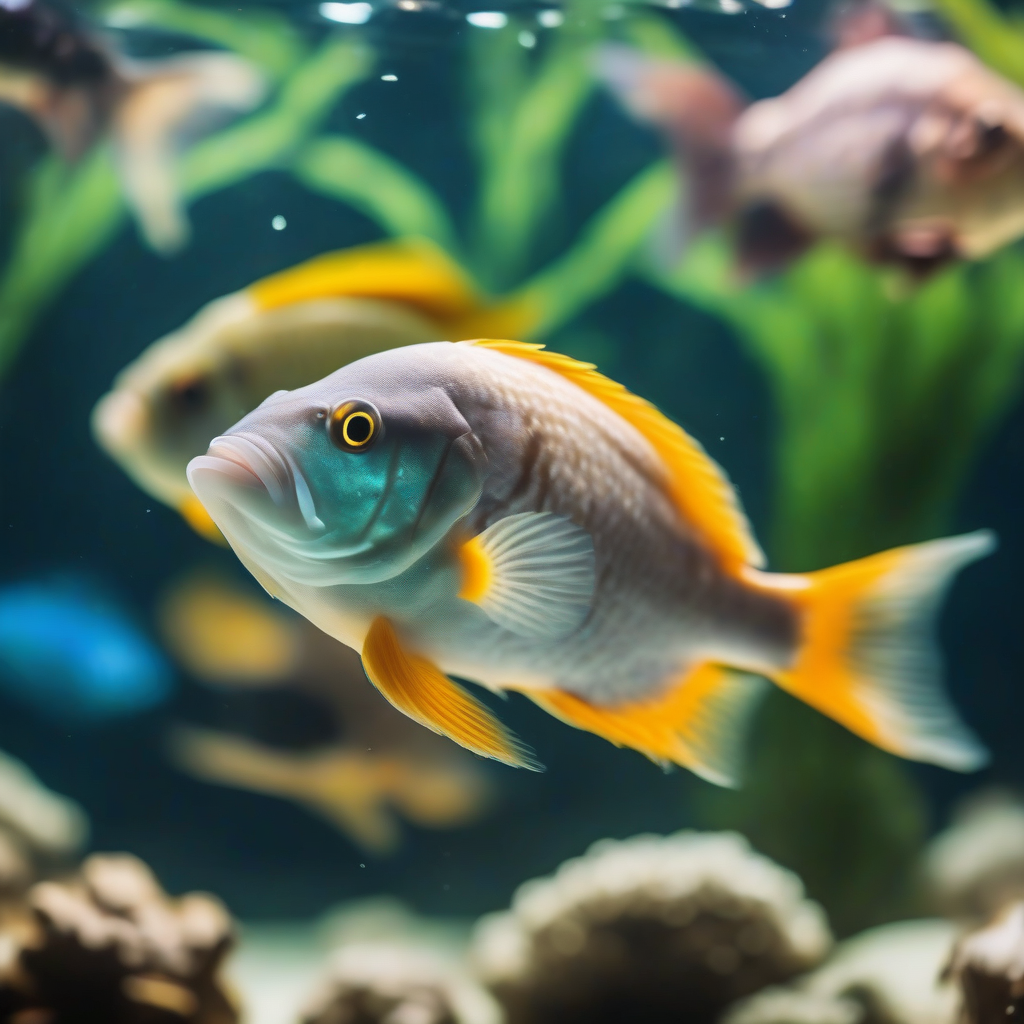
In this article, you will discover the 5 neurocognitive dimensions that shape your aquarium fish's individual personalities and behaviors. By understanding each fish's unique character, you will learn how to create a personalized, peaceful, and enriching aquarium environment for them.


In this article, you will find comprehensive information about the insidious neurobiological effects of artificial colorings, preservatives, and flavors found in commercial bird feeds on your bird's brain health and mental vitality. We explore scientific nutritional secrets to combat these hidden dangers, shedding light on a wide spectrum of effects from behavioral changes to cognitive decline.

In this article, you can discover the scientific secrets to understanding your cat's undesirable habits, deciphering the neurocognitive mechanisms in their brain, and establishing lasting new routines.

Discover the types of burns your dog can suffer, the 5 insidious neurophysiological effects these burns create in the brain and body, and lifesaving emergency intervention strategies in this comprehensive guide. We shed light on the dangers behind forgotten household accidents from a scientific perspective.
While aquarium fish are often perceived as uniform creatures exhibiting 'schooling behavior,' scientific research indicates that each fish possesses a distinct character and personality dimensions. Much like humans or other pets, fish have individual differences, preferences, and neurocognitive responses to environmental stimuli. Understanding these personality variations is crucial not only for their survival but also for them to truly lead 'happy' and peaceful lives. So, how can we decipher these hidden character algorithms of our underwater friends?
In this article, we will delve into 5 fundamental neurocognitive personality dimensions that shape individual fish behavior and explain how you can use this knowledge to create a more harmonious, stress-free environment in your aquarium through scientific approaches.
Fish personalities are shaped by the development of neurocognitive networks in their brains as a result of genetic factors, early experiences, and environmental interactions. Neurotransmitters like dopamine and serotonin, stress hormones, and amygdala-like brain structures have profound effects on fish's perception of risk, social interactions, and motivation to explore. These biological mechanisms establish each fish's unique 'character algorithm,' determining their behavior, learning capacity, and coping strategies with stress in the aquarium.
Some fish explore new objects, plants, or areas of the aquarium with great curiosity, while others adopt a more cautious and timid approach to anything unfamiliar. This 'explorer' or 'shy' personality dimension is closely linked to the activity of dopaminergic pathways associated with the brain's reward centers. Explorer fish tend to perceive new stimuli as a positive experience, whereas shy fish may be more sensitive to potential threats.
This personality dimension relates to how bravely a fish approaches potential threats (e.g., a hand in the aquarium, a new tank mate, a sudden noise) or how quickly it seeks refuge. Bold fish are less hesitant to take risks, while timid fish may have higher levels of stress hormones (cortisol) and tend to flee or hide faster. These responses are associated with the fish's neurophysiological adaptations to stress.
Some fish may be more dominant and territorial in the aquarium, while others adopt a more passive and cooperative role. This level of social hierarchy and aggression is related to the balance of neurotransmitters that regulate social behaviors in the brain, such as serotonin and vasopressin. Dominant fish may demand priority access to resources (food, mates, space), while passive fish tend to avoid conflict.
This dimension expresses how much a fish needs social interactions or prefers to be alone. Some fish species, like neon tetras, prefer to live in large schools, while others (e.g., Betta fish) can tolerate or even prefer solitude. Oxytocin-like neuropeptides play a role in social bonding and interactions.
Some fish can be constantly active, energetic, and dynamic in the aquarium, while others tend to swim at a calmer, slower pace. This is related to the fish's general metabolic rate, thyroid hormones, and neurophysiological responses to environmental factors (e.g., water flow). Fish with high activity levels require more swimming space, while calm fish may prefer densely planted or less turbulent areas.
Understanding that your aquarium fish are not merely decorations but individuals endowed with a unique 'character algorithm' will enhance the quality of care we provide. Observing these 5 neurocognitive personality dimensions and personalizing the aquarium environment accordingly will lower your fish's stress levels, encourage them to exhibit their natural behaviors, and maximize their overall well-being. By getting to know them intimately, you can build a deeper bond with these small wonders beneath the water and ensure they are truly happy.
