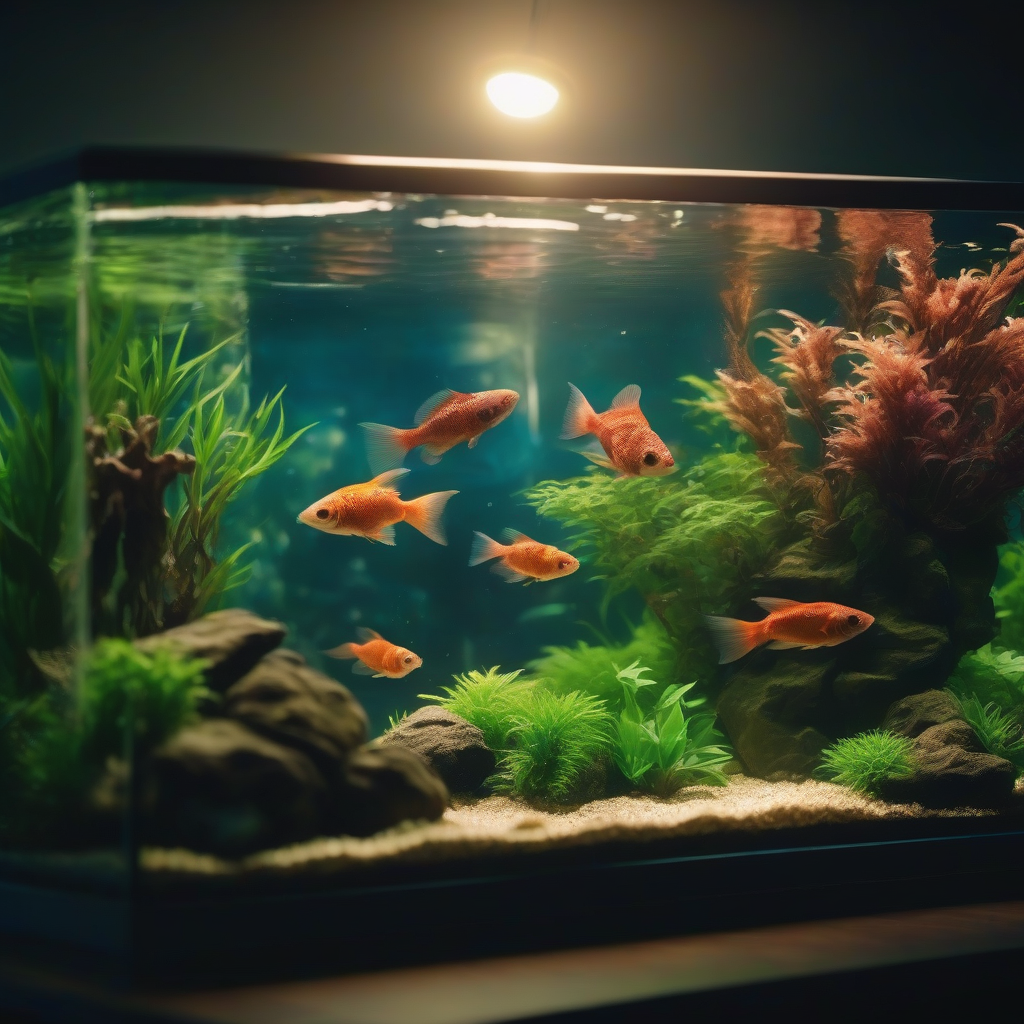
In this article, you will discover how aquarium fish perceive the light spectrum, its neurocognitive effects, and scientific secrets to optimize aquarium lighting for your fish's well-being.


While cats possess a surprising ability to adapt to high-rise fall traumas, the insidious neurophysiological effects on their brain carry vital risks. In this article, we reveal 5 critical neurobiological effects your cat may experience after a fall and the lifesaving emergency intervention codes with scientific secrets.

In this article, you will discover how your rabbit copes with unexpected situations and its neurocognitive responses to non-routine events. Learn scientific secrets to enhance mental flexibility and manage stress.

In this article, you will find comprehensive information on the insidious neurophysiological effects of seizures in cats' brains and lifesaving emergency intervention codes during a seizure.
Aquarium keeping has been a captivating hobby for centuries, a passion for bringing a miniature piece of the underwater world into our homes. However, the well-being of the inhabitants of this fascinating world – fish – requires much more than just an aesthetic display. Light, in particular, goes beyond being a decorative element in an aquarium; it has profound neurocognitive effects on the physiology, psychology, and behavior of fish. While we humans perceive the world in three primary colors (red, green, blue), most fish possess a much broader visual spectrum, evolved to suit their environment, even capable of perceiving ultraviolet light. This means they experience the world very differently from us.
So, what exactly are the mysterious transformations that aquarium lighting brings about in your fish's brains and behaviors? Beyond simply being on or off, the spectrum, intensity, and duration of light affect everything from their daily routines to their reproductive behaviors and even their stress levels. In this article, we will delve into 5 critical effects of the light spectrum on the neurocognitive processes of fish and explore scientific lighting strategies to create a peaceful environment in your aquarium.
Fish eyes have evolved to adapt to the filtered light of their aquatic environment. This adaptation is crucial for them to carry out vital activities such as feeding, hiding, and social interaction. Incorrect lighting can disrupt this delicate balance, leading to a series of neurocognitive breakdowns.
Just like in humans, the hormone melatonin plays a central role in regulating circadian rhythms, the sleep-wake cycle, in fish. The quality and duration of the light spectrum directly influence melatonin secretion from the pineal gland. Blue light, in particular, suppresses melatonin production, while red and yellow tones can be supportive. Lighting that mimics a natural daylight cycle in the aquarium ensures proper melatonin secretion in fish, reducing stress and enhancing overall well-being, similar to the routine variability stress observed in other species as discussed in Your Hamster's Invisible 'Routine Variability' Stress: Neurocognitive Impact of Unexpected Events and 5 Scientific Secrets for Peace!. Uninterrupted darkness or continuous light can disrupt these rhythms, leading to chronic stress, loss of appetite, and a weakened immune system.
Proper lighting directly influences a fish's sense of security in its environment. Too bright or an incorrect light spectrum can cause fish to release the stress hormone called cortisol. High cortisol levels can slow fish growth, suppress their immune system, and reduce reproductive capacity. Especially in an aquarium with insufficient hiding places, when combined with issues mentioned in Your Fish's 'Secret Security Algorithm' in the Aquarium: 5 Insidious Neurobiological Effects of Insufficient Hiding Spaces and Secrets to Peace, incorrect lighting can cause fish to be constantly alert and experience anxiety.
Fish have different degrees of visual acuity across different light spectrums. For instance, freshwater fish generally see better in the red and green spectrums, while saltwater fish are more sensitive to blue-green spectrums. The correct spectrum allows fish to find their food more easily, and perceive obstacles and other fish in the aquarium more clearly. This directly impacts their ability to form cognitive maps and their learning capacity. As highlighted in the article The Fish's Hidden 'Understanding Cycle' in the Aquarium: Surprising Neurocognitive Secrets of Learning Capacity!, clear visual input is a fundamental prerequisite for fish to make sense of their environment and process new information.
Light plays a significant role in fish perceiving social signals and triggering reproductive behaviors. Many fish species use specific color patterns and brightness to attract mates or defend their territories. The right light spectrum enhances the prominence of these colors, supporting social interactions. Additionally, light cycles can mimic seasonal changes, encouraging fish to prepare for and engage in spawning. Incorrect lighting can mask these behavioral cues, negatively impacting The Silent World of Fish in Aquariums: The Hidden Dance of Social Intelligence and Neurobiological Secrets of Harmony.
Most fish carry out their foraging and feeding activities dependent on light. Specific light conditions can trigger their hunting instincts and appetite. For example, some fish active in dim light may experience stress in bright light and refuse to feed. The correct spectrum and intensity allow fish to see their food more easily and exhibit natural feeding behaviors, which is vital for their overall health and development.
By understanding your fish's visual perception universe, you can provide them with a healthier and happier living space. Here are the secrets to scientifically optimizing aquarium lighting:
The most basic step is to mimic the natural daylight cycle. Generally, 10-12 hours of light and 12-14 hours of darkness is ideal. Using automatic timers to consistently provide this cycle regulates fish's circadian rhythms. Modern LED lighting offering dawn and dusk effects makes these transitions smoother, minimizing stress. Sudden switching of lights on or off can be as traumatic for fish as other environmental shocks, like those discussed in The Hidden Resonance in Your Fish Aquarium: 5 Neurobiological Effects of Aquarium Signals and Scientific Secrets to Peace!.
You should research the light spectrum of your fish species' natural habitat. Tropical freshwater fish generally prefer a "daylight" spectrum around 6500K, while coral reef fish benefit from bluer, actinic lights. In planted aquariums, while selecting spectrums that support plant growth, the well-being of the fish should also be considered. The effects of ultraviolet (UV) and infrared (IR) light on fish are also increasingly being researched.
Excessively bright light can stress fish and increase hiding behaviors. Insufficient light can lead to inactivity and reluctance to feed. It is important to adjust light intensity according to the aquarium's depth, plant density, and the needs of the fish species. Dimmable lighting provides this flexibility.
Even distribution of light sources over the aquarium prevents the formation of shaded areas and ensures all fish receive adequate light. Direct sunlight should be avoided, as it can lead to excessive algae growth and dangerously raise aquarium temperatures.
Algae growth is usually caused by excessive light and nutrient surplus. While optimizing lighting, it is also important to keep algae formation under control. However, the light cycles or spectrum needs of fish should not be sacrificed for the sake of algae control. Instead of chemical methods, seeking biological solutions by balancing factors like spatial adequacy, as mentioned in Your Fish's 'Silent Prison' in the Aquarium: 5 Insidious Neurobiological Effects of Space Limitation and Secrets to Optimal Mental Well-being!, is more sustainable.
The visual perception universe of fish is far more complex and sensitive than we imagine. Approaching aquarium lighting not just as an aesthetic detail but as a critical factor for the neurocognitive health and well-being of fish will significantly enhance their quality of life. By scientifically adjusting the light spectrum, intensity, and duration, you can create a peaceful, healthy, and naturally behavior-promoting environment in your aquarium. Remember, happy fish are healthy fish, and that happiness begins with a proper lighting strategy.
