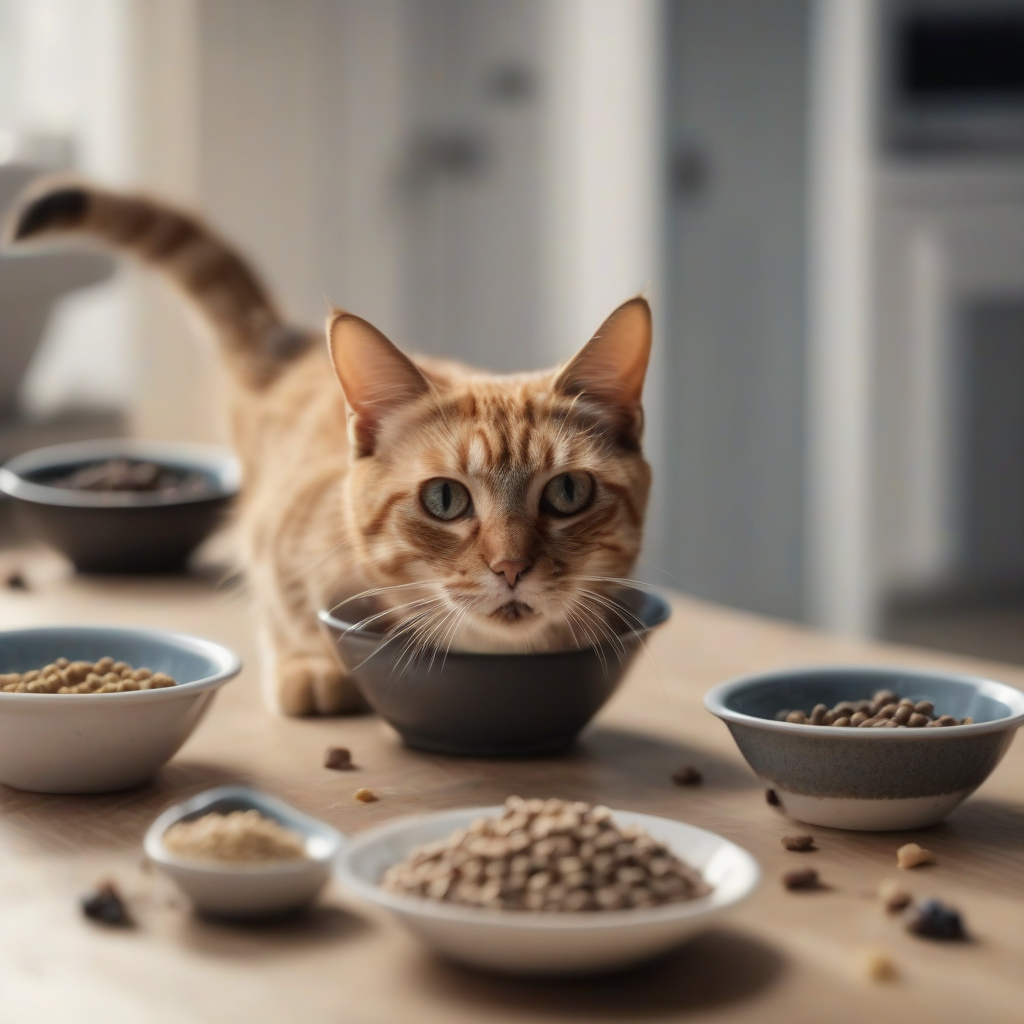
In this article, you will discover that your cat's food texture is more than just a preference; it creates neurobiological effects in their brain, influencing everything from digestion to cognitive function. Learn how to use this knowledge to develop optimal nutrition strategies.


While cats possess a surprising ability to adapt to high-rise fall traumas, the insidious neurophysiological effects on their brain carry vital risks. In this article, we reveal 5 critical neurobiological effects your cat may experience after a fall and the lifesaving emergency intervention codes with scientific secrets.

In this article, you will discover how your rabbit copes with unexpected situations and its neurocognitive responses to non-routine events. Learn scientific secrets to enhance mental flexibility and manage stress.

In this article, you will find comprehensive information on the insidious neurophysiological effects of seizures in cats' brains and lifesaving emergency intervention codes during a seizure.
Many cat owners know how particular their furry friends can be about their food choices. However, beneath this pickiness lies not just taste, but also the texture of the food and the sensation it creates in the mouth. As descendants of wild hunters, cats' feeding experiences are not merely a necessity for survival but a complex behavior that triggers profound neurobiological processes. The hardness, softness, kibble size, or moisture content of the food initiates a chain of signals in your cat's brain, creating a wide range of effects from the digestive system to cognitive functions. In this article, we will delve into the neurobiological factors that shape your cat's food texture preferences, unveil 5 hidden neurobiological effects beyond texture, and explore scientific nutrition strategies to enhance your cat's overall health and well-being using this knowledge. Understanding that your cat's preferences in the food bowl are actually a reflection of their deep neurological needs will enable you to make more informed dietary decisions. It is important to remember that the texture factor plays a critical role in your cat's food choice and the unconscious consumption cycle.
Cats' feeding habits have been shaped by thousands of years of evolutionary processes. During this time, the texture of food has become a survival mechanism directly linked to the capture and consumption of prey.
As carnivorous creatures, cats have adapted to consume their prey by chewing and tearing. The texture of food affects these natural chewing reflexes and the activity of the jaw muscles. The hard texture of dry kibble helps clean teeth, while the soft texture of wet food allows for easier swallowing and digestion. The brain processes these textural stimuli, evaluating the eating experience and producing signals of satisfaction or disappointment. The sensation created by the food in the mouth can activate reward centers in the cat's brain or, conversely, be registered as a negative experience.
Taste and texture form an inseparable whole in a cat's eating experience. Taste receptors on the tongue and mechanoreceptors (detecting pressure and touch) in the oral cavity work together to create a complex sensory map. These neural networks transmit not only 'what' the food is but also 'how' it feels to the brain. While soft textures are often preferred by older cats or those with dental issues, young and healthy cats generally prefer foods that require chewing, satisfying their natural instincts.
Beyond food texture preferences, this sensory experience has a range of significant neurobiological effects on your cat's brain and body.
The duration of chewing and the time food remains in the mouth can influence the release of satiety-regulating digestive hormones such as leptin and cholecystokinin. Longer chewing times can lead to slower eating and thus better satiety signals, which may help prevent overeating and obesity. Furthermore, how texture affects the peristaltic movements of the digestive system is also crucial. The right texture can optimize bowel motility and support the digestive process. This is critically important for your cat's gut health and overall well-being.
The hard texture of dry kibble can help support dental health by reducing plaque and tartar buildup. This helps prevent issues related to oral hygiene. Oral health problems can lead to chronic pain and stress in cats, negatively impacting their overall behavioral well-being. Healthy teeth and gums allow a cat to eat comfortably and enjoy their food, which indirectly lowers stress levels and increases satisfaction. Reducing oral discomfort significantly improves your cat's quality of life.
For some cats, a specific food texture, especially soft and easy-to-swallow ones, can create a sense of comfort and security. This can help calm the cat during stressful situations or environmental changes. The effect of food texture on emotional centers in the brain, such as the amygdala, can modulate the cat's stress response. Particularly in sensitive or older cats, an appropriately textured food can transform the act of eating into a calming ritual. Stress management also plays a role in preventing chronic issues like silent inflammation in cats.
Certain textured foods or foods offered through puzzle feeders can stimulate a cat's cognitive abilities. The complexity of the food's texture or the effort required to access the food can increase brain activity, enhancing problem-solving and planning skills. This type of mental stimulation is especially important for indoor cats and can reduce boredom, preventing behavioral problems. You can also use the feeding routine as a tool to meet your cat's mental stimulation needs.
Food texture can influence how well nutrients are absorbed by the digestive system. For example, foods with smaller particles or those that are more easily broken down can increase the bioavailability of certain micronutrients. On the other hand, coarser or fibrous textures can slow down the digestive process, allowing nutrients to remain in the intestines for longer, which can provide more time for absorption. This optimization is vital for your cat's overall health, energy levels, and longevity.
Optimizing food texture for your cat's well-being requires conscious choices.
Young and healthy cats can generally benefit from the hard texture of dry kibble. For kittens, soft, moist foods are preferred to ease the transition. For older cats or those with oral health issues such as gum disease or tooth loss, wet or soft-textured foods reduce chewing difficulty, making feeding more comfortable. It is important to regularly consult your veterinarian to determine the appropriate texture for your cat's age, health status, and specific needs.
While some cats may stick to a single type of food, offering textural variety can provide mental stimulation and enrich the feeding experience. Mixing dry and wet foods, offering foods with different kibble sizes, or using food puzzles are ways to provide this variety. However, any changes should be introduced slowly and with careful observation of your cat's reactions. Sudden changes can lead to digestive upset or food refusal.
Your cat's food texture preferences are more than simple whims; they are rooted in deep neurobiological foundations. Understanding that mouthfeel has a wide range of effects, from digestion to cognitive function, oral health to stress management, allows you to design your cat's nutrition plan more scientifically and consciously. By choosing the right food texture and offering textural variety, you can enhance not only your cat's physical but also their mental and emotional well-being. Remember, a happy cat is a healthy cat, and that happiness often begins in the food bowl.
