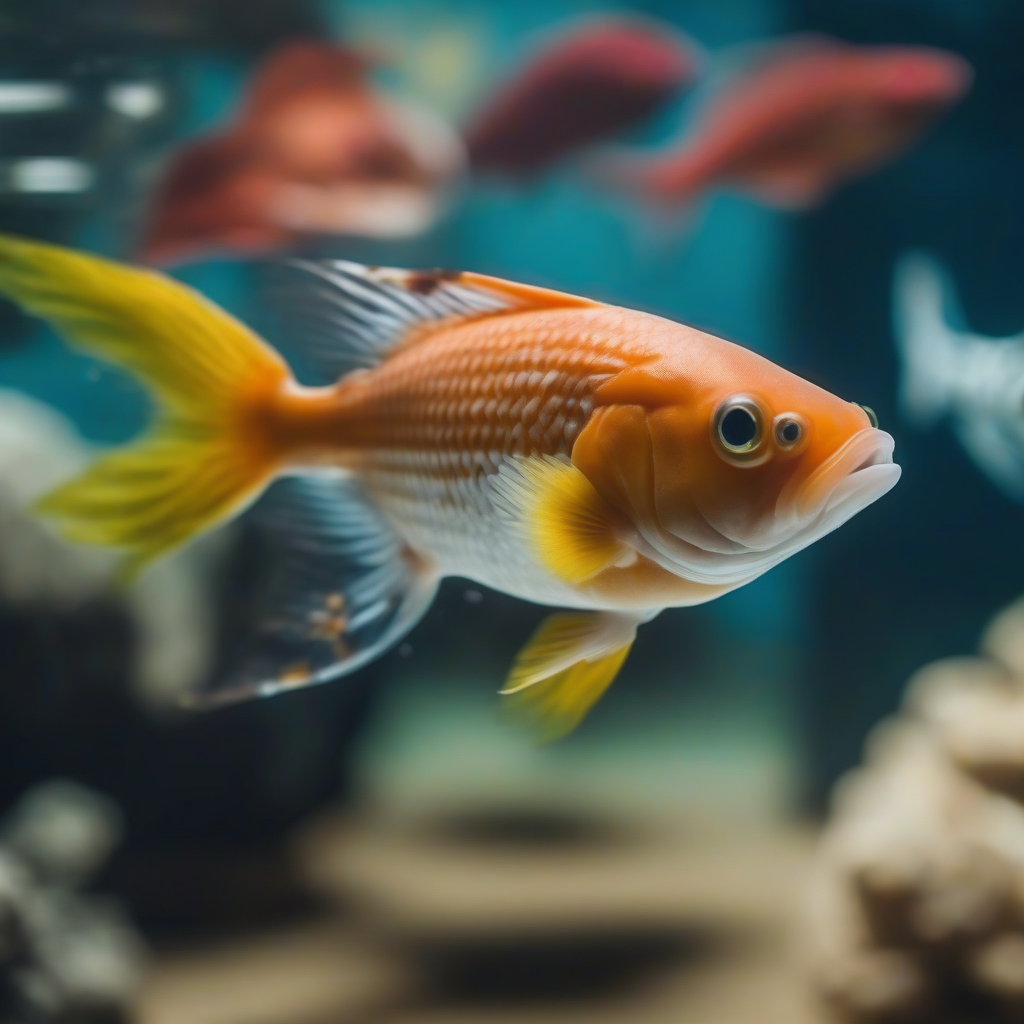
In this article, you will find comprehensive information on the neurophysiological effects of thermal shock triggered by sudden temperature changes in fish, along with lifesaving emergency intervention strategies.


While cats possess a surprising ability to adapt to high-rise fall traumas, the insidious neurophysiological effects on their brain carry vital risks. In this article, we reveal 5 critical neurobiological effects your cat may experience after a fall and the lifesaving emergency intervention codes with scientific secrets.

In this article, you will discover how your rabbit copes with unexpected situations and its neurocognitive responses to non-routine events. Learn scientific secrets to enhance mental flexibility and manage stress.

In this article, you will find comprehensive information on the insidious neurophysiological effects of seizures in cats' brains and lifesaving emergency intervention codes during a seizure.
Unlike terrestrial creatures, aquarium fish are poikilothermic (cold-blooded) animals that derive their body temperature from their external environment. This characteristic makes them extremely vulnerable to sudden changes in water temperature. Specifically, a condition known as "thermal shock" is an insidious danger that can develop unnoticed in an aquarium environment and lead to fatal consequences for your fish. As of May 2026, delving into the scientific depths of this critical issue and educating fish owners is more important than ever. So, how does this silent threat affect your fish's neurophysiology, and what lifesaving codes should we activate in an emergency?
Sudden temperature changes directly affect the permeability of membranes in fish nerve cells (neurons). The structure of cell membranes ensures optimal fluidity and permeability within a specific temperature range. An abrupt drop or rise in temperature can cause membrane lipids to undergo a phase transition. For example, low temperatures can make the membrane more rigid, while high temperatures can make it excessively fluid. This interferes with the proper functioning of ion channels and transporter proteins. As a result, critical mechanisms like the sodium-potassium pump are disrupted, neurotransmitter release is impaired, and neural transmission slows down or ceases entirely. This cellular lockout can paralyze the fish's reflexes, balance, and general coordination, effectively putting it in a state of paralysis.
All biochemical reactions occurring in fish bodies are catalyzed by enzymes that exhibit optimal activity within specific temperature ranges. Sudden temperature changes can disrupt the three-dimensional structures (denaturation) of these delicate enzymes or drastically alter their activity rates. For instance, cold shock can dramatically reduce enzyme reaction rates, while heat shock can permanently damage enzyme structures. This leads to disruptions in vital metabolic processes such as digestion, respiration, energy production, and detoxification. When metabolism grinds to a halt, the fish cannot produce energy, eliminate toxins, and ultimately suffers organ failure. As discussed in our article, The Hidden Collapse of Fish Food Granules: 5 Insidious Digestive Traps Triggered by Insufficient Fiber Content and Strategies to Boost Intestinal Health, even minor digestive disruptions can profoundly impact fish health.
The temperature of water directly affects the amount of dissolved oxygen; the warmer the water, the less oxygen it contains. Furthermore, the oxygen-carrying capacity (oxygen affinity) of fish hemoglobin is also temperature-dependent. A sudden increase in temperature decreases the oxygen level in the water while increasing the fish's metabolic rate, creating a greater need for oxygen. This dual crisis places immense pressure on the fish's respiratory system. Although fish may try to get oxygen by coming to the surface or rapidly moving their gills, these efforts may be insufficient. With reduced oxygen-carrying capacity of the blood, tissues do not receive enough oxygen, and cell death begins. This situation is closely related to our topic, Hidden 'Oxygen Panic Attacks' in Fish Aquariums: 5 Insidious Neurophysiological Signals and Lifesaving Emergency Intervention Codes!, and requires immediate intervention.
Fish possess specialized physiological mechanisms to maintain their water and salt balance (osmoregulation). Temperature changes can disrupt the effectiveness of ion pumps and water channels in the fish's gills and kidneys. For example, freshwater fish constantly absorb water into their bodies, while marine fish lose water. When this balance is disturbed by temperature changes, the intracellular and extracellular fluid balance is disrupted. Excessive water intake or loss leads to cells swelling or shrinking, which can be fatal, especially for brain cells. These sudden and dramatic changes in the electrolyte balance of blood and tissues are a critical topic we covered in our article, Your Fish Aquarium's Hidden 'Electrolyte Balance' Crises: 5 Insidious Neurophysiological Signals and Lifesaving Scientific Solutions!, and can cause irreversible damage if not addressed urgently.
Sudden temperature changes are a severe stress factor for fish. This stress triggers the hypothalamus-pituitary-adrenal (HPA) axis, leading to the uncontrolled release of stress hormones like cortisol. While these hormones help with adaptation in the short term, prolonged and severe release suppresses the immune system. A weakened immune system makes fish more vulnerable to diseases and infections. Even normally harmless bacteria or fungi can cause opportunistic infections in this state. This condition negatively affects the healing process of physical traumas, such as those discussed in Your Fish's Invisible 'Open Wound Crises': 5 Neurobiological Effects of Acute Trauma in the Aquarium and Lifesaving Emergency Intervention Codes!.
When you observe a fish showing symptoms of thermal shock, quick and correct action is vital. Here are the scientific first aid codes you should apply:
Never respond with an abrupt temperature change! Since your fish is already in shock, rapidly transferring it to water of a different temperature will cause a second shock. Slowly increase or decrease the temperature of the existing aquarium by no more than 1-2°C per hour. Do this by gradually adjusting your heater or chiller unit's setting. If you are performing a water change, ensure the temperature of the water you are adding is exactly the same as the existing water.
Water quality is critical for a fish in shock to survive. Toxins like ammonia and nitrite will worsen the fish's condition. Quickly check the values with a water test kit. If necessary, reduce the toxin load by performing a 25% partial water change. However, when making this change, ensure that parameters such as temperature, pH, and hardness of the new water are close to those of the existing aquarium water. Sudden changes in pH, in particular, can be another source of shock for fish. You can better understand the importance of water chemistry by reading our article Hidden Water Chemistry in Fish Aquariums: 5 Neurobiological Secrets Beyond Ideal Parameters!.
Fish suffering from thermal shock have increased oxygen needs. Increase the dissolved oxygen level in the aquarium by using an air stone or air pump. This helps alleviate the fish's respiratory distress. At the same time, reduce the fish's stress level by dimming or turning off aquarium lights, reducing noise, and minimizing activity around the tank. Exposing a fish in shock to more stimuli will negatively affect its recovery process.
Carefully observe the fish in shock. Check if it is being harassed by other fish. If possible and if you notice the situation worsening, consider slowly transferring the fish to a separate quarantine tank (containing water of the correct temperature and quality). This provides a calm environment for it to rest and reduces the risk of spreading potential secondary infections to other fish. Provide a quiet environment in the quarantine tank for at least 24-48 hours for the fish to recover.
If your fish's condition does not improve or rapidly deteriorates despite all these first aid interventions, contact an aquatic animal veterinarian without delay. In some cases, more advanced treatment or medication support may be necessary. Especially neurological symptoms or prolonged lethargy in fish may require a professional diagnosis and treatment plan.
The best way to prevent thermal shock is to maintain a stable temperature in your aquarium:
Your fish's health depends on the stability of the aquarium environment. Understanding the neurophysiological effects of sudden temperature changes and performing the correct interventions in emergencies can save the lives of your beloved aquatic companions.
